01
Consultation
Technical needs assessment

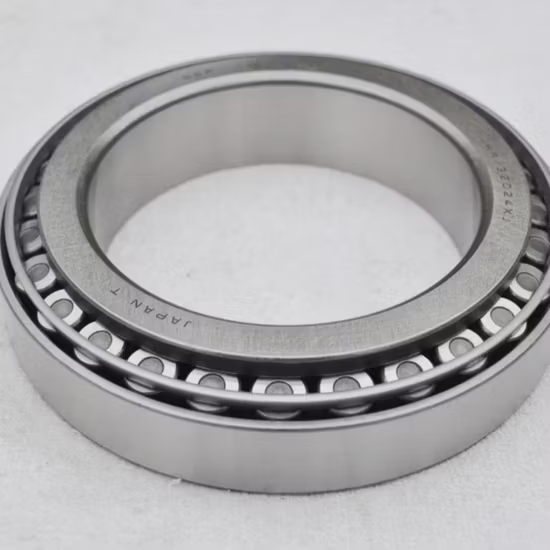
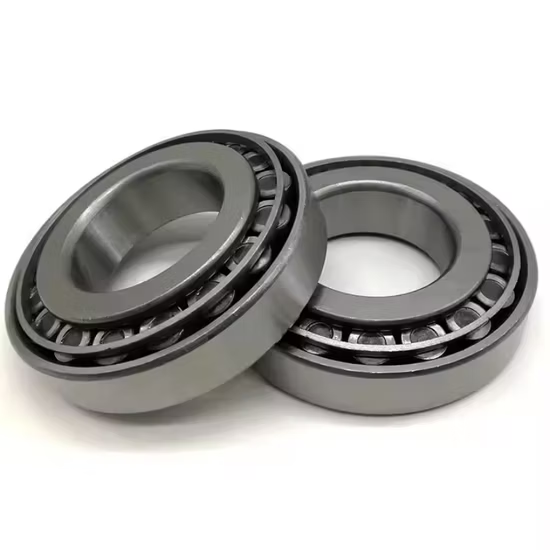
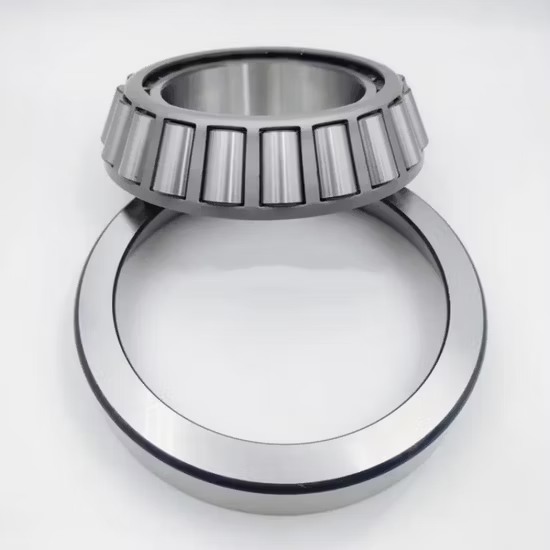
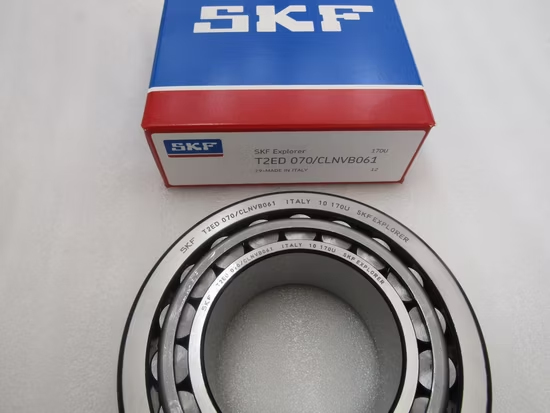
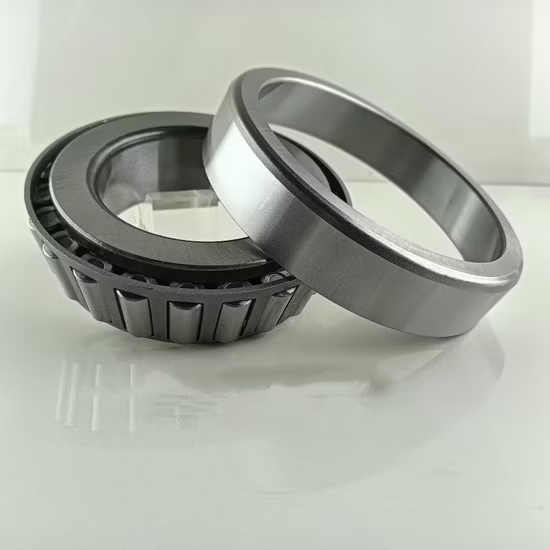
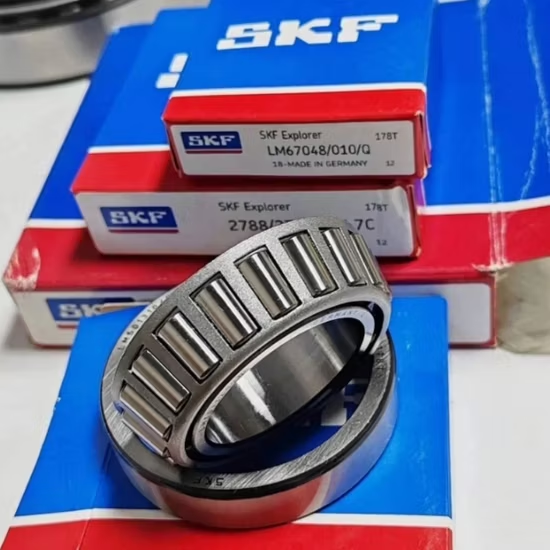
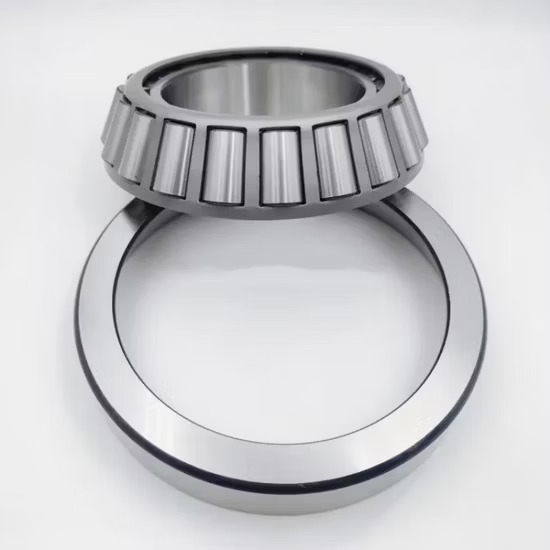
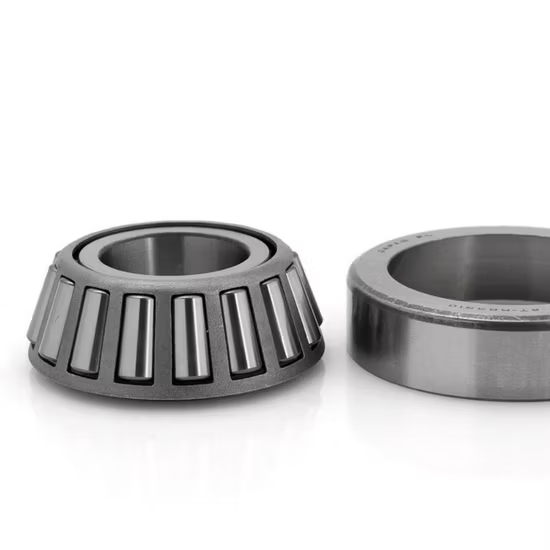
3982/3920 Inch Tapered Roller Bearing P4 Precision — Manufactured from GCr15 high-carbon chromium steel to withstand heavy radial and axial loads in industrial gearboxes and truck axles. The P4 precision class ensures tighter dimensional tolerances and smoother rotational accuracy for demanding drivetrain applications.
Original Batch Traceability — Every 3982/3920 unit ships with verifiable manufacturer lot documentation to confirm metallurgical origin and prevent counterfeit infiltration.
| Parameter | Value |
|---|---|
| Designation | 3982/3920 |
| Product Type | Tapered Roller Bearing |
| Precision Class | P4 |
| Material | GCr15 high-carbon chromium bearing steel |
| Cage Material | Available in brass, nylon, or pressed iron variants |
| Bore Type | Inch tapered |
| Arrangement | Single row, separable cone and cup |
| Industry | Typical Applications |
|---|---|
| Heavy-Duty Automotive | Truck drive axles and wheel hub assemblies |
| Industrial Power Transmission | Heavy-duty industrial gearbox shaft supports |
| Construction & Earthmoving | Crane slewing mechanisms and articulation joints |
| Material Handling | Forklift mast rollers and conveyor drive pulleys |
Matching the basic cone and cup numbers is never enough to guarantee operational survival under heavy shock loads.
Sourcing teams frequently approve replacements based solely on the 3982/3920 tapered roller bearing designation, overlooking critical internal geometry and cage material differences. When a standard pressed steel cage is installed in an application demanding a machined brass cage for high-vibration environments, the resulting cage fragmentation leads to rapid raceway spalling and total assembly seizure .
Selecting the correct internal configuration for this 3982/3920 tapered roller bearing requires evaluating the specific thrust-to-radial load ratio of the equipment. We cross-reference the exact roller profile and contact angle to ensure the bearing handles the combined loads typical in heavy truck axles without inducing edge stress on the raceways.
In heavy-duty gearboxes, friction generates significant heat, altering the internal clearance of the bearing. If the initial assembly preload is too tight or the wrong clearance class is selected, thermal expansion will eliminate the necessary operating clearance, causing severe skidding and premature cage failure . Proper lubrication channels must also align with the operating speed to prevent grease churning and localized overheating.
The P4 precision class provides tighter dimensional tolerances for the cone and cup, ensuring smoother rotation and reduced vibration in high-speed industrial gearboxes. Furthermore, the cage material must be matched to the operational environment: brass cages offer superior durability and heat dissipation under heavy shock loads, while nylon cages reduce weight and friction in moderate-duty applications. Iron pressed cages serve as an economical alternative for standard, low-vibration scenarios.
Relying on incomplete cross-reference data often results in unplanned downtime and catastrophic damage to adjacent shaft components. When the internal design of the replacement part does not perfectly mirror the OEM specification, the resulting misalignment accelerates wear and voids equipment warranties, ultimately driving maintenance costs far beyond the initial savings of the incorrect component .
I have investigated numerous drivetrain failures in Latin American mining operations where a basic number match concealed a fatal cage material mismatch, leading to early fragmentation under heavy cyclic loading. We prevent this by executing a strict three-point cross-reference check that verifies internal clearance, cage construction, and precision suffixes against your specific application parameters. Our authorized multi-brand network ensures you receive genuine components with full metallurgical traceability, eliminating the risk of soft inner rings and cloned verification codes.
To ensure precise application matching, please provide the exact radial and axial load profiles, operating speeds, and thermal conditions of your equipment. Supplying the OEM equipment number allows our engineering team to perform a comprehensive cross-reference review, guaranteeing the selected internal geometry and cage material perfectly align with your operational demands.
Q: Why is matching the 3982/3920 base designation insufficient for heavy-duty replacements?
A: The base numbers only identify the outer dimensions of the cone and cup. Critical internal variables, such as roller profile, cage material, and precision class, dictate performance under specific loads. Installing a component with an incompatible cage or incorrect internal geometry will lead to rapid thermal binding or cage fragmentation in demanding applications.
Q: How do I select the appropriate cage material for my specific gearbox application?
A: Machined brass cages are mandatory for high-vibration and heavy shock load environments due to their superior structural integrity and heat dissipation. Nylon cages are suitable for moderate-duty applications requiring lower friction, while pressed iron cages serve standard, low-vibration uses. We review your operational parameters to specify the exact cage variant required.
Q: What is the practical difference between P4 and standard precision in this tapered roller bearing?
A: P4 precision ensures significantly tighter tolerances in bore diameter, outside diameter, and running accuracy. This reduces vibration, minimizes heat generation, and extends the fatigue life of the bearing, which is critical for high-speed industrial gearboxes and precision wheel hub assemblies where rotational smoothness is paramount.
Q: How should the cone be mounted to avoid damaging the P4 precision raceway?
A: The cone must be mounted using a controlled induction heater to expand the inner ring evenly without localized overheating, which could compromise the GCr15 steel hardness. Avoid open flames or uncontrolled torches. Once heated, it should be seated firmly against the shaft shoulder and held in place until it cools to secure the proper interference fit.
Q: How can I verify the authenticity of the supplied bearings before installation?
A: Every unit is accompanied by a Certificate of Conformity and batch traceability documents. You can verify the authenticity by scanning the QR codes on the packaging using the official brand authentication applications, which will confirm the manufacturing origin and rule out counterfeit products with soft inner rings or cloned labels.
Our 5-step process ensures every order is engineered, validated, and supported for optimal performance.
Technical needs assessment
Custom specifications
Free samples for $50k+
Pre-shipment inspection
On-site & predictive
Our certified engineers respond within 24 hours with detailed technical specifications, pricing, and lead time information.