01
Consultation
Technical needs assessment


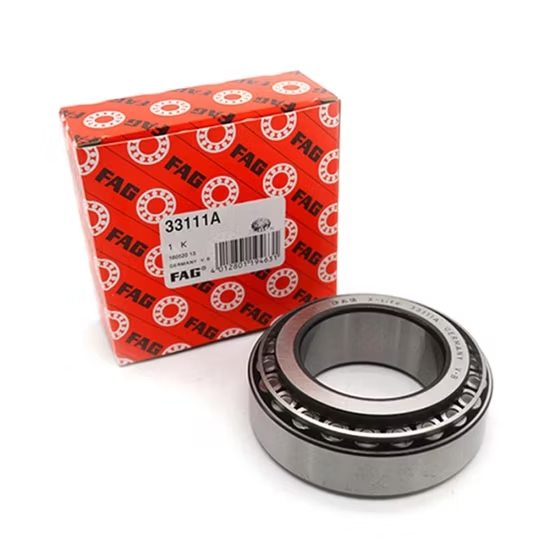
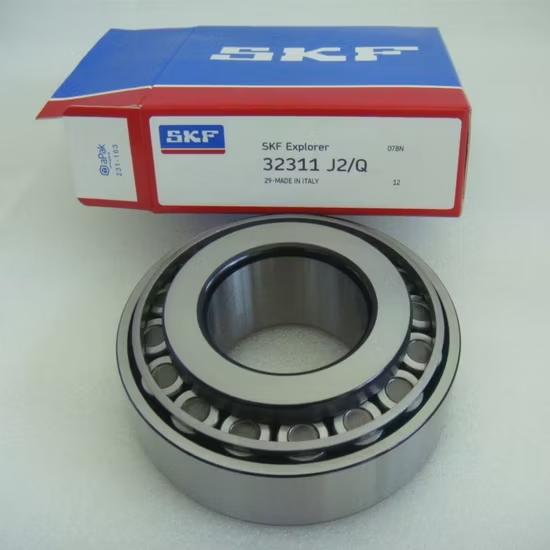
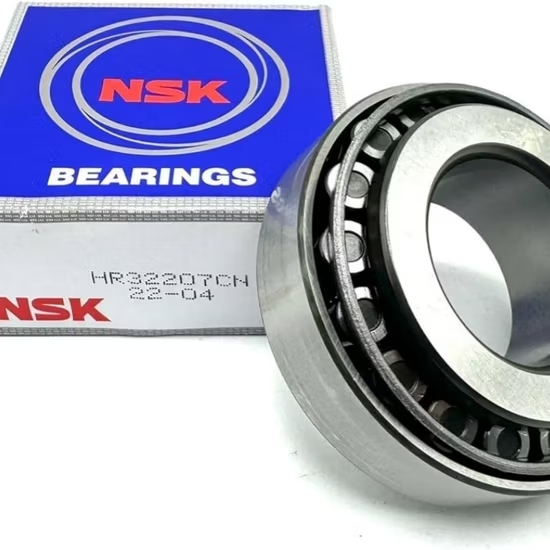
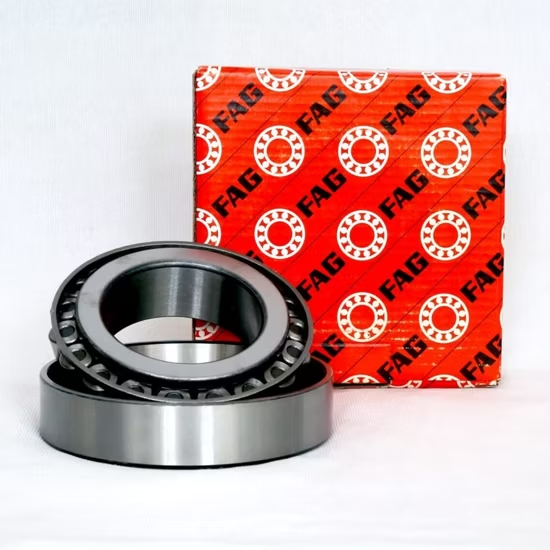
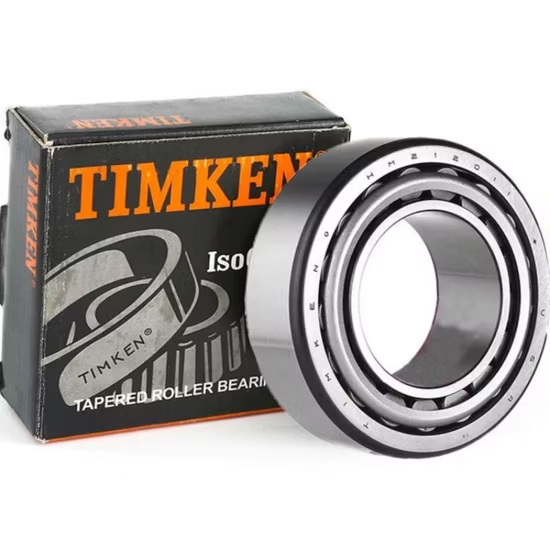
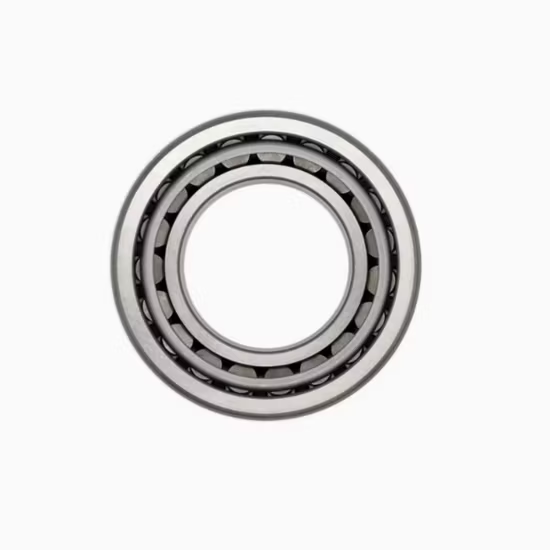
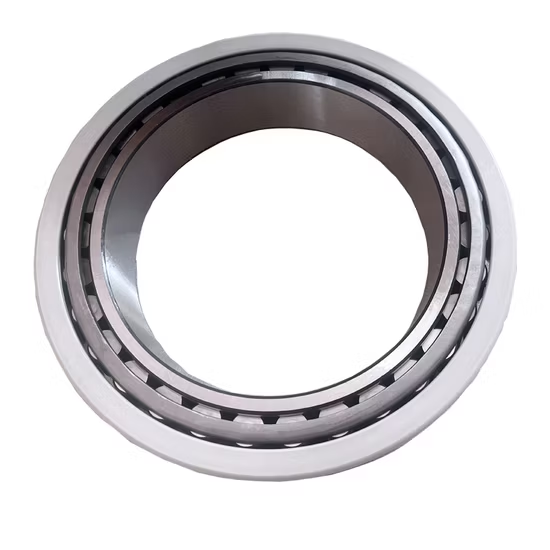
33120 33122 33124 Tapered Roller Bearings P4 Precision — single row configuration handles combined radial and axial loads in industrial gearboxes and heavy machinery.
Full Batch Traceability — Every 33120, 33122, and 33124 unit ships with manufacturer lot records linking directly to the original production run.
| Parameter | Value |
|---|---|
| Designation | 33120 33122 33124 |
| Bearing Type | Tapered Roller Bearing |
| Number of Rows | Single Row |
| Precision Class | P4 |
| Material | GCr15 Bearing Steel |
| Cage Material | Available in Nylon, Brass, or Iron variants |
| Origin | Germany / Japan / Sweden / Malaysia / China |
| Industry | Typical Applications |
|---|---|
| Automotive & Heavy Vehicles | Wheel hub assemblies, truck drive axles, differential pinion shafts |
| Industrial Power Transmission | Heavy-duty gearbox intermediate shafts, reducer output stages |
| Mining & Construction | Crusher main shafts, vibrating screen exciter mechanisms, track rollers |
Matching the base designation is only the first step; internal geometry and clearance dictate actual field survival.
Procurement teams frequently source the 33120 33122 33124 tapered roller bearing based solely on the dimensional envelope, overlooking critical internal variations. When a standard clearance unit is forced into a high-temperature gearbox, thermal expansion eliminates the internal play, leading to severe roller skewing and cage disintegration. I have inspected returned units where the outer dimensions were perfect, but the internal raceway geometry was entirely wrong for the applied axial thrust, causing catastrophic spalling within weeks .
Heavy machinery axles and industrial gearboxes demand components that handle combined loads without compromising rotational accuracy. The 33120 33122 33124 tapered roller bearing provides the necessary contact angle to manage simultaneous radial and axial forces effectively. By verifying the exact cage material and precision class against the specific equipment OEM requirements, we ensure the selected unit withstands the actual operational stresses rather than just fitting the housing bore.
Truck axles and crusher shafts subject bearings to intense shock loads and fluctuating thermal cycles. Under heavy axial thrust, the lubricant film thickness can diminish rapidly, making the choice between oil bath and grease lubrication critical for preventing roller end scuffing. Furthermore, thermal expansion from continuous operation dictates the initial internal clearance setting; an incorrect setup will cause the rollers to bind against the raceways . Contaminant ingress from mining dust also requires precise seal or shield integration to protect the highly polished contact surfaces.
The P4 precision class applied to these single-row units ensures tighter dimensional and running accuracy tolerances compared to standard P0 grades, which is essential for minimizing vibration in high-speed gearbox applications. The GCr15 bearing steel provides the necessary core toughness and surface hardness to resist contact fatigue under heavy Hertzian stresses. Depending on the operational speed and vibration levels, the cage material can be selected from nylon for high-speed, low-friction environments, brass for high-vibration and heavy-load scenarios, or iron for general-purpose, cost-effective durability.
Selecting a replacement based purely on the basic boundary dimensions often results in unplanned downtime and premature failure. If the internal clearance is not matched to the operating temperature and shaft interference fit, the bearing may experience thermal binding or excessive play, both of which drastically reduce the L10 life. According to ISO 281 fatigue life calculations, even minor deviations in load distribution caused by incorrect clearance settings can lead to catastrophic damage to the shaft and housing, ultimately voiding equipment warranties .
We provide authorized coverage across major brands, allowing you to consolidate mixed-brand requirements into a single, verified order. When cross-referencing the 33120 33122 33124 series, we align the clearance, cage material, and internal contact angle—not just the base designation—to prevent field failures. Our application-based selection review evaluates your specific load, speed, and temperature parameters to confirm the optimal configuration. Every shipment includes batch traceability to the manufacturer, ensuring you receive genuine products with verifiable metallurgical properties, completely eliminating the risk of soft inner rings from counterfeit sources.
To ensure the selected configuration perfectly matches your application, please provide the specific radial and axial load profiles, operating speeds, and thermal conditions for your L10 life verification. If you are replacing an existing unit, sharing the exact OEM equipment number or the full designation from the original nameplate allows us to perform a comprehensive cross-reference check. This technical review guarantees that the internal geometry, cage material, and clearance class are fully aligned with your operational demands.
Q: Why did the replacement unit fail prematurely even though the base designation matched perfectly?
A: Base number matches often overlook critical internal differences. If the replacement lacked the correct internal clearance for your operating temperature, or if the cage material was unsuited for the specific vibration levels, it would lead to thermal binding or cage fracture. We verify clearance, cage type, and precision class during cross-referencing to prevent these hidden mismatches.
Q: How does P4 precision benefit heavy-duty gearbox applications compared to standard grades?
A: P4 precision provides strictly controlled dimensional and running accuracy, which significantly reduces vibration and uneven load distribution among the rollers. In high-speed or heavily loaded gearboxes, this enhanced geometric accuracy minimizes friction heat generation and prevents localized stress concentrations, thereby extending the operational lifespan of the shaft assembly.
Q: What are the selection boundaries for nylon, brass, and iron cages in these tapered units?
A: Nylon cages offer low friction and are ideal for high-speed applications with moderate loads. Brass cages provide superior strength and durability, making them the preferred choice for heavy shock loads and high-vibration environments like crushers. Iron cages offer a cost-effective, robust solution for general-purpose industrial applications where extreme speeds or severe shocks are not present.
Q: How can we verify the authenticity of the received batch and avoid counterfeit products?
A: Every genuine unit we supply includes batch traceability documentation and a QR code that can be scanned using the manufacturer's official application. This digital verification confirms the production origin and metallurgical specifications, effectively identifying cloned codes and protecting your equipment from the catastrophic failures associated with soft inner rings in counterfeit bearings.
Q: What is the correct procedure for setting internal clearance during the mounting process?
A: Internal clearance must be adjusted by precisely controlling the axial position of the inner ring relative to the outer ring during installation. This adjustment must account for the shaft interference fit and the expected thermal expansion during operation. Incorrect adjustment will either cause excessive play, leading to impact damage, or thermal binding, resulting in rapid seizure.
Our 5-step process ensures every order is engineered, validated, and supported for optimal performance.
Technical needs assessment
Custom specifications
Free samples for $50k+
Pre-shipment inspection
On-site & predictive
Our certified engineers respond within 24 hours with detailed technical specifications, pricing, and lead time information.