01
Consultation
Technical needs assessment

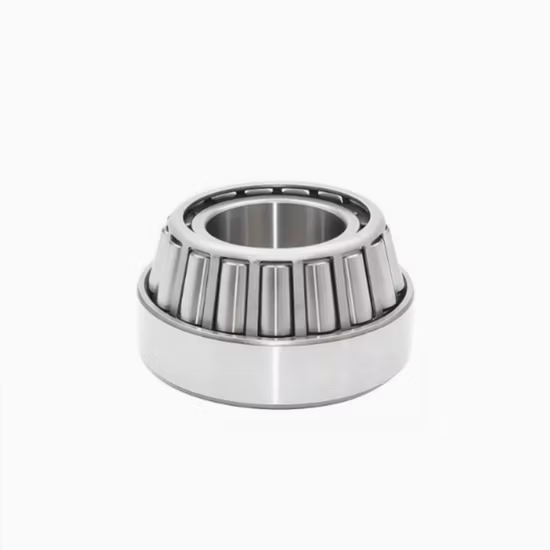

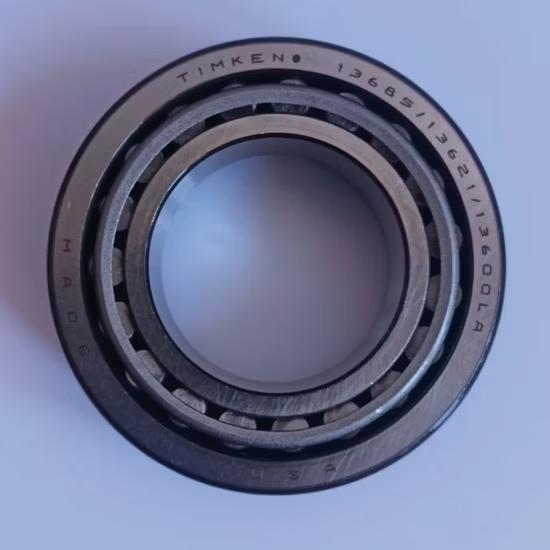
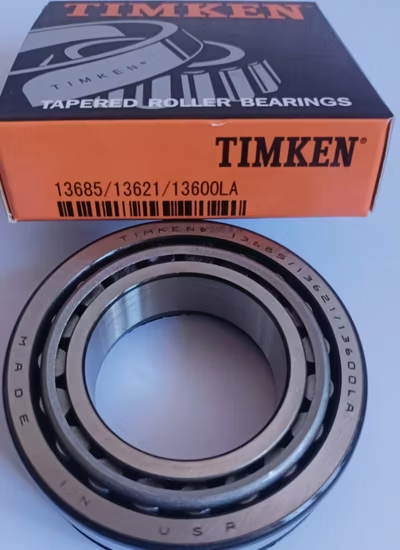
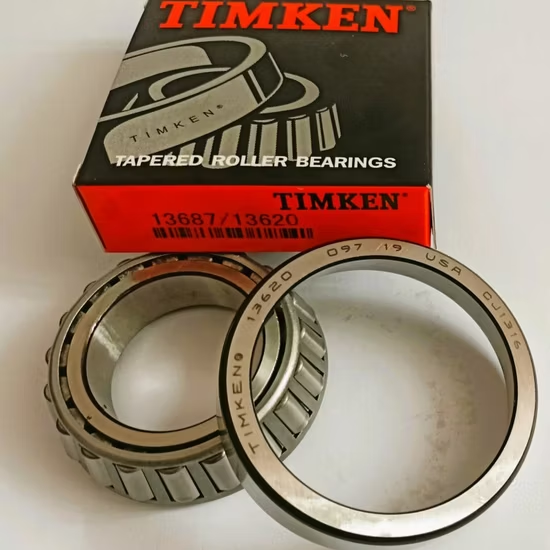
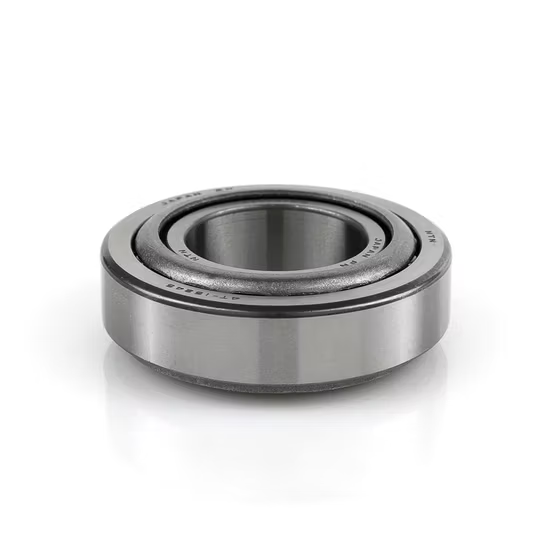
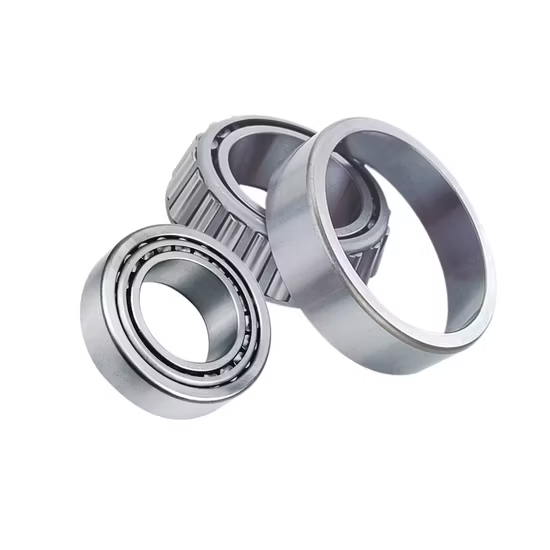
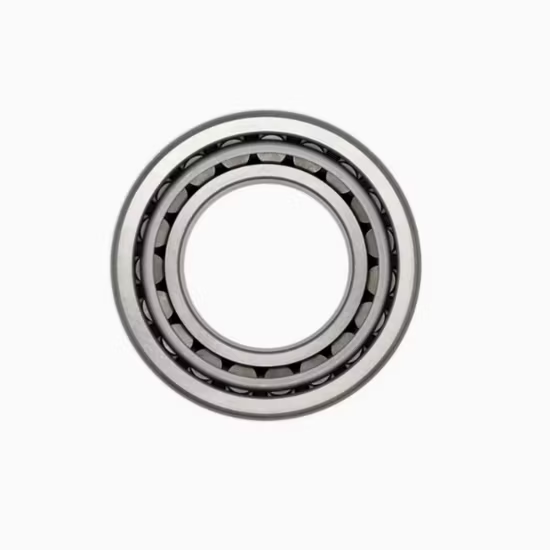
13685/13620 13687/13620 Inch Tapered Roller Bearings P4 — single row design optimized for combined radial and axial loads.
Authorized Multi-Brand Coverage — Consolidating mixed-brand requirements for 13685/13620 and 13687/13620 configurations into a single traceable shipment.
| Parameter | Value |
|---|---|
| Designation | 13685/13620 13687/13620 |
| Bearing Type | Inch Tapered Roller Bearing |
| Number of Rows | Single Row |
| Precision Class | P4 |
| Material | GCr15 bearing steel |
| Cage Material | Available in nylon, brass, or iron variants |
| Origin | Available from Germany, Japan, Sweden, Malaysia, or China facilities |
| Industry | Typical Applications |
|---|---|
| Automotive & Heavy Vehicles | Wheel hub assemblies, truck axle differentials, steering knuckles |
| Industrial Power Transmission | Heavy-duty gearbox shaft supports, reducer output stages |
| Marine & Material Handling | Marine drive propeller shafts, conveyor pulley bearings |
Matching the cone and cup numbers only solves half the engineering equation.
Working extensively across Latin American mining sites, I have witnessed entire production lines halt because a procurement team focused solely on the base designation while ignoring internal geometry and precision classes. When a standard clearance component is forced into a high-thermal environment without accounting for expansion, the rollers bind against the raceway. This leads to catastrophic thermal seizure rather than gradual wear. Sourcing a genuine 13685/13620 13687/13620 inch tapered roller bearing requires verifying that the internal design, cage material, and precision suffixes align perfectly with the specific drivetrain loads .
Single row inch tapered roller bearings are engineered to manage simultaneous radial and axial loads, making them indispensable for truck axles and industrial gearboxes. The conical raceways and angled rollers direct the combined forces efficiently toward the bearing axis. By specifying P4 precision for the 13685/13620 and 13687/13620 models, we ensure tighter dimensional tolerances that reduce vibration and heat generation in high-speed differential applications. This exact cross-reference verification prevents the subtle misalignments that typically accelerate fatigue in heavy-duty material handling equipment.
In wheel hub and gearbox environments, friction generates substantial heat, which directly impacts internal clearance and lubricant viscosity. If the operating temperature rises significantly, standard internal clearances may close completely, causing the rollers to skid and generate even more heat. Selecting the appropriate clearance class is critical to accommodate this thermal growth. Furthermore, the choice between oil bath and grease lubrication dictates the required cage design; high-speed oil environments demand cages that minimize churning losses, while grease-lubricated hubs rely on cage pockets to retain the lubricant effectively .
The P4 precision rating signifies stringent control over dimensional and running accuracy, which is vital for minimizing runout in precision gearboxes and marine drives. While the base cone and cup designations remain standard, the internal execution varies. The GCr15 material provides the necessary core hardness and wear resistance for demanding contact stresses. Depending on the specific rotational speed and shock load profile, the cage can be specified in nylon for reduced weight and noise, brass for high-vibration resilience, or iron for cost-effective durability. Understanding these options ensures the 13685/13620 13687/13620 inch tapered roller bearing performs reliably under the exact operational constraints of your machinery.
Substituting a bearing based merely on dimensional interchangeability often results in premature failure and unplanned downtime. When internal geometry or precision grades are mismatched, the load distribution across the rollers becomes uneven, leading to localized spalling and edge loading. According to ISO 281 standards, such deviations drastically reduce the calculated fatigue life of the component. In heavy vehicle repair or continuous manufacturing plants, a single seized bearing can cause catastrophic damage to adjacent gears and shafts, voiding equipment warranties and triggering expensive emergency maintenance interventions .
We eliminate the guesswork from sourcing by validating every parameter beyond the basic part number. For the 13685/13620 and 13687/13620 configurations, we verify the exact cone and cup pairing to ensure correct load angles. Our cross-reference process aligns the precision class and internal geometry, preventing the installation of P0 grade parts in P4 required spindles. We provide full batch traceability to the manufacturer, securing your supply against counterfeit components with soft inner rings. Furthermore, our application-based selection review evaluates your specific load, speed, and temperature conditions to confirm the optimal cage and clearance combination before shipment.
To ensure the selected components meet your exact operational demands, please provide the radial and axial load profiles, operating speeds, and thermal conditions of your application. Sharing the specific OEM equipment numbers or existing housing dimensions allows our engineering team to conduct a thorough cross-reference review and L10 life calculation. This technical validation ensures the internal geometry and clearance classes are perfectly matched to your machinery, delivering a reliable and long-lasting installation.
Q: How do we verify the authenticity of these inch tapered roller bearings?
A: Every shipment includes batch traceability documentation and a unique QR code. You can scan this code using the manufacturer's official mobile application to instantly verify the origin and production details of the 13685/13620 and 13687/13620 sets, ensuring they are genuine and protecting your equipment from counterfeit parts with compromised metallurgy.
Q: Why must cross-referencing include internal design and precision?
A: Matching only the base cone and cup numbers ignores critical factors like roller profile and raceway angles. If the internal geometry or P4 precision class is overlooked, the bearing may experience uneven load distribution or excessive runout. Comprehensive cross-referencing ensures the replacement perfectly matches the original equipment's dynamic and thermal requirements.
Q: What are the tolerance differences between standard and P4 precision?
A: P4 precision imposes significantly tighter limits on dimensional deviations and running accuracy compared to standard classes. For inch tapered roller bearings, this means stricter control over the cone bore diameter, outer ring outside diameter, and radial runout. This enhanced accuracy is essential for minimizing vibration and heat generation in high-speed gearboxes and automotive hubs.
Q: How should we select the correct cage material for our application?
A: The choice depends on your operating temperature, speed, and vibration levels. Nylon cages offer low friction and noise for moderate temperatures, brass cages provide superior durability and heat dissipation for high-vibration environments, and iron cages offer a robust, cost-effective solution for heavy-load, lower-speed applications. We review your specific parameters to recommend the optimal material.
Q: What mounting practices are recommended for single row tapered designs?
A: Proper mounting requires heating the inner cone uniformly using an induction heater to expand it for a slip fit onto the shaft. It is crucial to avoid direct flame heating, which can alter the GCr15 steel's heat treatment. After mounting, the axial clearance or preload must be carefully adjusted using the shaft nut or housing cover to ensure optimal load distribution across the rollers.
Our 5-step process ensures every order is engineered, validated, and supported for optimal performance.
Technical needs assessment
Custom specifications
Free samples for $50k+
Pre-shipment inspection
On-site & predictive
Our certified engineers respond within 24 hours with detailed technical specifications, pricing, and lead time information.