01
Consultation
Technical needs assessment

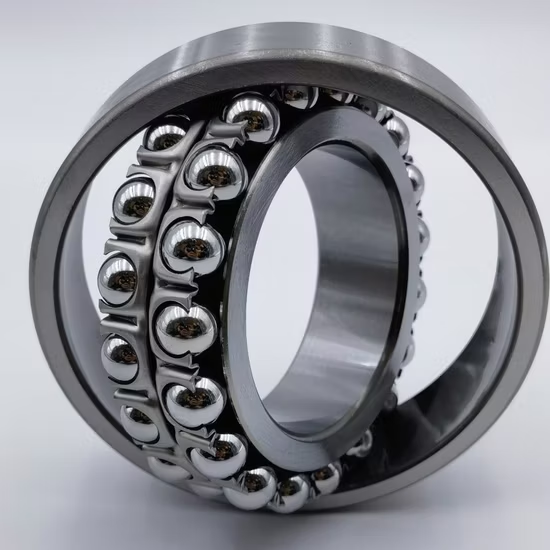
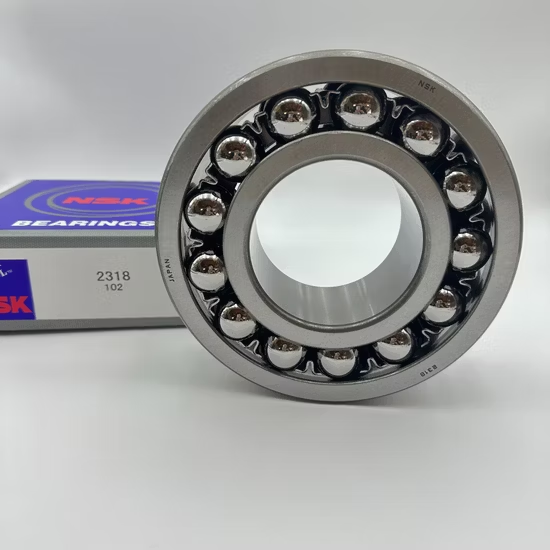
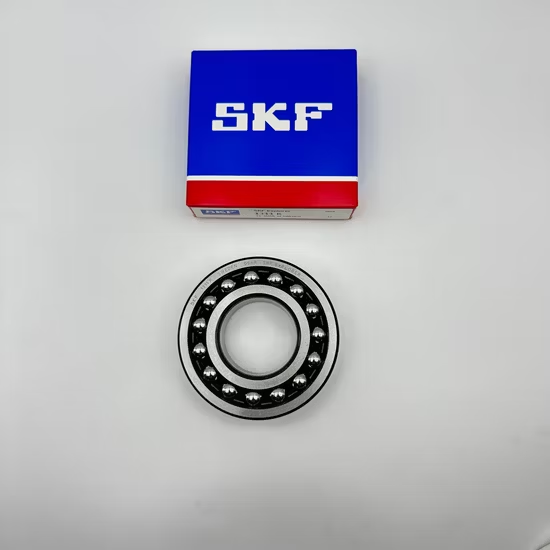
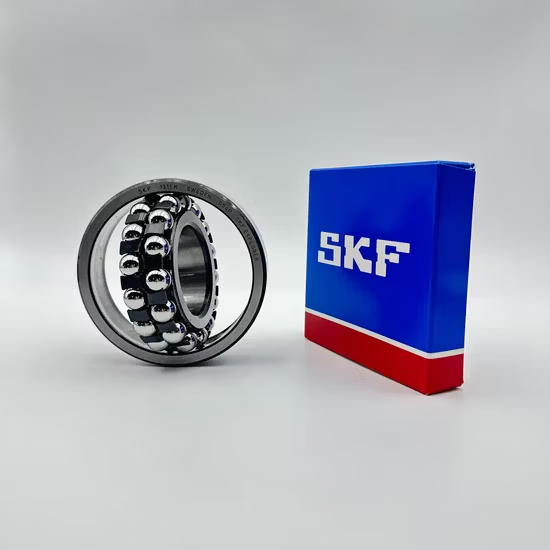
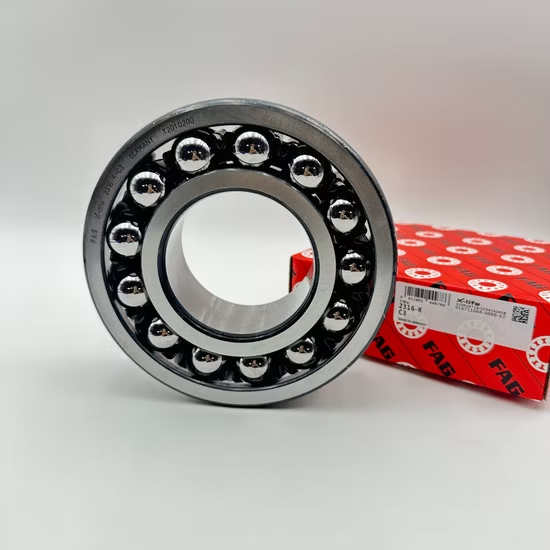
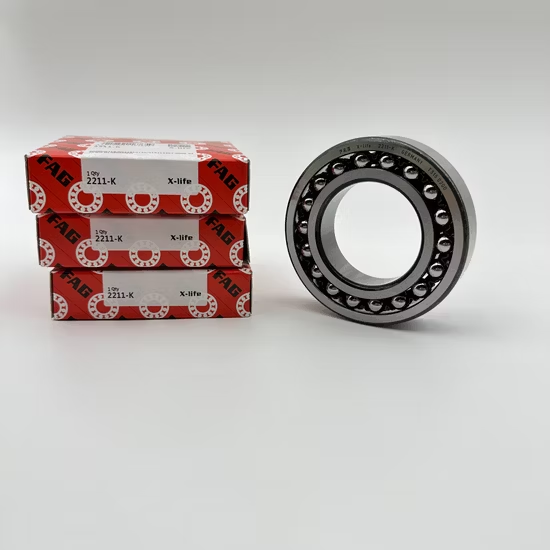
1312 1313 1314 Self-Aligning Ball Bearing — compensates for shaft misalignment and housing deflection during continuous textile machinery operation.
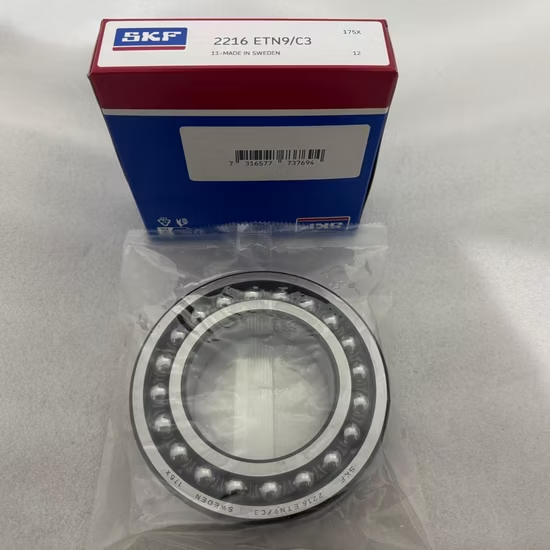
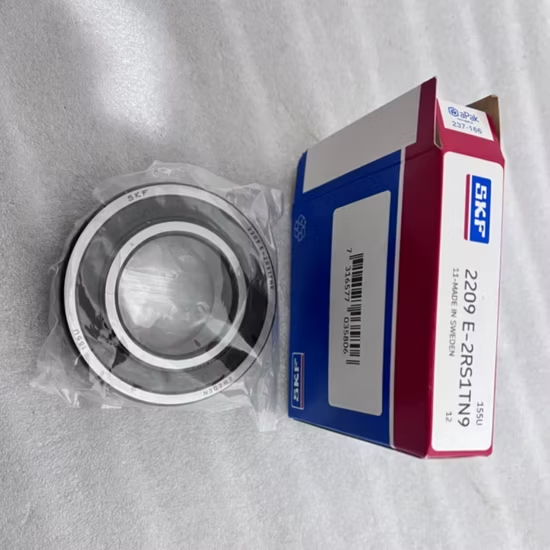
Official App QR Verification — Every 1312 1313 1314 self-aligning ball bearing ships with scannable batch codes linked directly to the manufacturer's authenticity database.
| Parameter | Value |
|---|---|
| Designation | 1312 1313 1314 |
| Product Type | Self-Aligning Ball Bearing |
| Bearing Style | Open, Rubber Seals, Iron Seals |
| Origin | Germany, Japan, Sweden, Malaysia, China |
| Industry | Typical Applications |
|---|---|
| Textile Machinery | Spinning frame drafting rollers, loom let-off mechanisms, yarn guide shafts |
| Material Handling | Conveyor belt return idlers, bucket elevator tail pulleys, transfer car wheels |
| Agricultural Machinery | Combine harvester threshing cylinders, rotary tiller gearboxes, seed drill metering shafts |
Clearance class dictates survival when ambient heat meets friction.
In continuous textile operations, installing a standard clearance bearing where thermal expansion demands a C3 class leads to rapid internal preload buildup. I have witnessed entire spinning lines halt because a basic number match ignored the necessary internal clearance, causing the rolling elements to skid and the cage to disintegrate under heat . Sourcing a genuine 1312 1313 1314 self-aligning ball bearing requires looking past the base designation to verify the exact internal geometry and seal configuration required for the specific machine zone.
Textile environments generate massive amounts of fibrous lint and require frequent washdowns, making seal selection critical for the 1312 1313 1314 self-aligning ball bearing. Rubber seals provide excellent exclusion of fine cotton dust but introduce higher friction, while iron shields offer lower friction for high-speed drafting rollers but allow fine moisture ingress. Our technical review ensures the selected sealing variant aligns perfectly with the specific contamination profile of your equipment.
Spinning frames and looms experience continuous shaft deflection and significant temperature gradients between the drive end and the free end. The self-aligning capability compensates for housing misalignment, but the internal clearance must accommodate thermal expansion without eliminating the operational play. Selecting the correct clearance class prevents the internal contact stresses from exceeding the material limits during peak operating temperatures .
The base numbers 1312, 1313, and 1314 define the outer diameter and width series, but the suffixes dictate the actual performance. An open design relies on the housing for lubrication and sealing, suitable for enclosed gearboxes. Rubber-sealed variants retain factory grease and block fibrous contaminants, ideal for exposed yarn guides. Iron-sealed options strike a balance for high-speed let-off mechanisms where friction heat must be minimized while keeping out larger debris.
Ignoring the clearance suffix transforms a standard replacement into a catastrophic failure point. When a standard internal clearance is forced into a high-temperature textile application, the thermal expansion eliminates the internal play, leading to severe skidding, cage failure, and ultimately, shaft scoring. This results in unplanned downtime, secondary damage to the housing, and voided equipment warranties, far exceeding the initial component cost .
We do not merely match the base number; we verify the clearance, cage material, and seal type simultaneously. For the 1312 1313 1314 self-aligning ball bearing, we specifically check if the OEM required a C3 clearance for thermal expansion or a specific seal for lint exclusion. Our authorized distribution network ensures that every mixed-brand order is fulfilled with genuine products, eliminating the risk of counterfeit soft inner rings that pass casual visual inspections but fail under load.
To ensure precise application matching, provide the radial and axial loads, operating speeds, and ambient temperatures for your textile or handling equipment. If replacing an existing component, share the exact OEM equipment number and the full designation printed on the current bearing, including all suffixes. This data allows our engineering team to perform a comprehensive cross-reference review and confirm the optimal clearance and sealing configuration.
Q: How do I verify the authenticity of the received bearings?
A: Every genuine 1312 1313 1314 self-aligning ball bearing we supply features a unique QR code linked to the manufacturer's official database. By scanning this code with the brand's official mobile application, you can instantly verify the production batch, origin, and authenticity, ensuring the components are free from counterfeit soft inner rings that compromise structural integrity.
Q: Why is matching the clearance suffix just as important as the base number?
A: The base number only defines the physical dimensions, while the clearance suffix dictates the internal play. In textile machinery, high operating temperatures cause thermal expansion; installing a standard clearance instead of the required C3 class eliminates this play, leading to internal preload, excessive friction, thermal binding, and premature cage failure under continuous operation.
Q: How do I choose between rubber seals and iron shields for my application?
A: Rubber seals provide superior exclusion of fine fibrous lint and moisture, making them ideal for exposed textile environments, though they generate slightly more friction. Iron shields offer lower friction for high-speed applications like drafting rollers while blocking larger debris. We review your specific contamination and speed parameters to recommend the optimal sealing configuration.
Q: What documentation is provided for international shipments?
A: We provide a comprehensive documentation package including a Certificate of Conformity, full batch and lot traceability records, country-of-origin certificates, and dimensional inspection reports. This ensures smooth customs clearance and provides your quality assurance team with the necessary proof of compliance and manufacturing origin for international procurement standards.
Our 5-step process ensures every order is engineered, validated, and supported for optimal performance.
Technical needs assessment
Custom specifications
Free samples for $50k+
Pre-shipment inspection
On-site & predictive
Our certified engineers respond within 24 hours with detailed technical specifications, pricing, and lead time information.