01
Consultation
Technical needs assessment


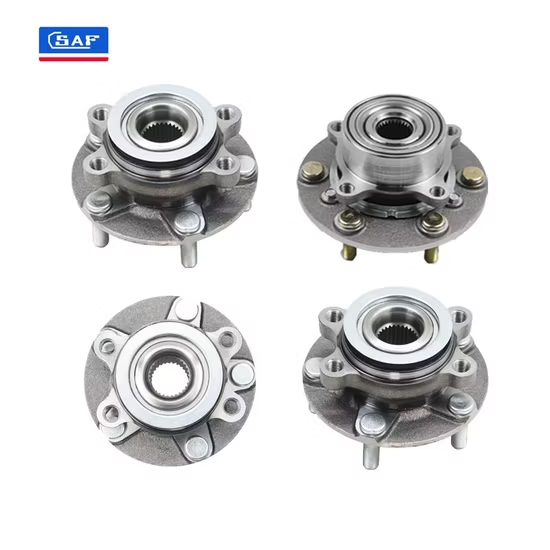
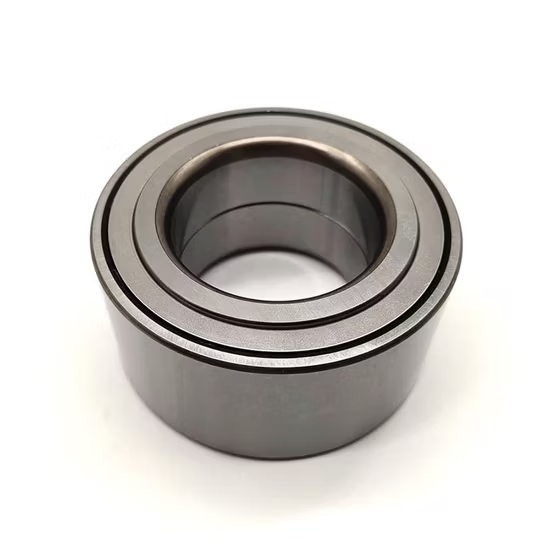
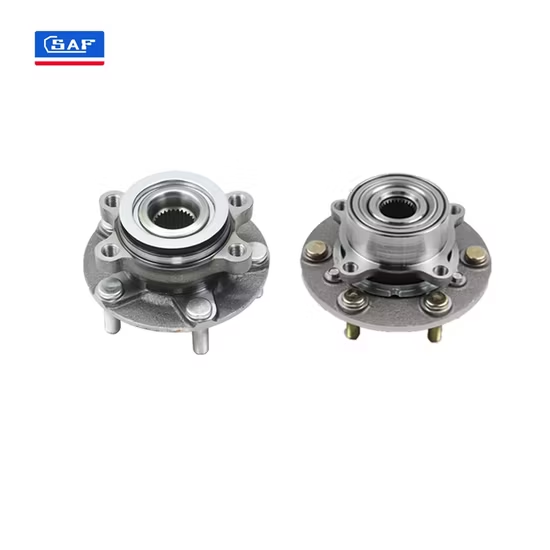
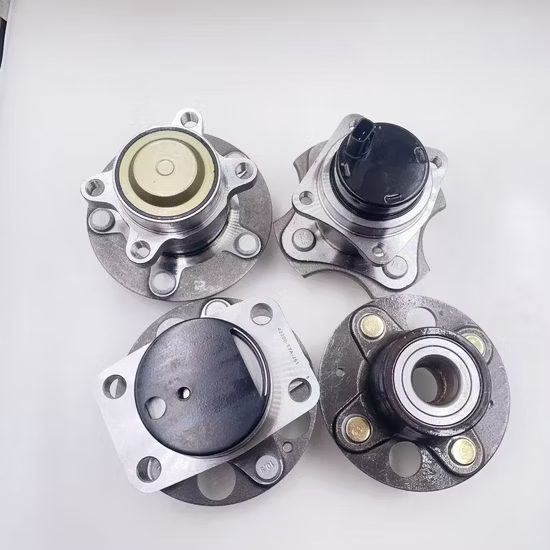
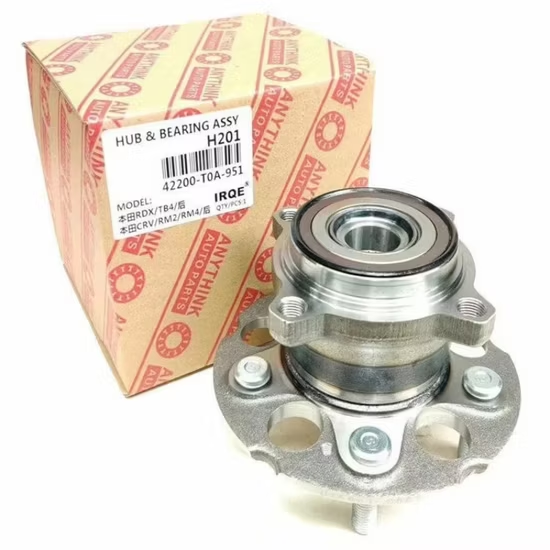
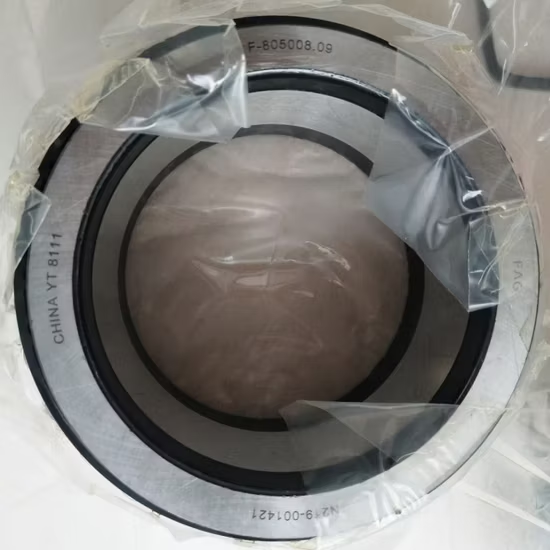
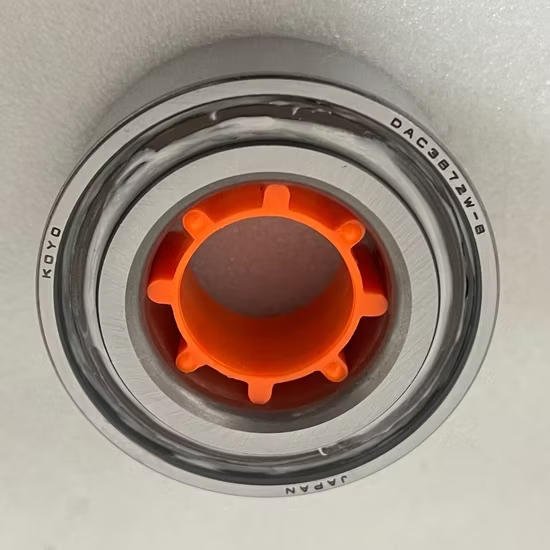
Dac27520045/43 Wheel Hub Bearing 27×52×45/43 mm P4 C0 — double row chrome steel construction with integrated ABS ring ensures precise signal transmission and structural rigidity under composite loads.
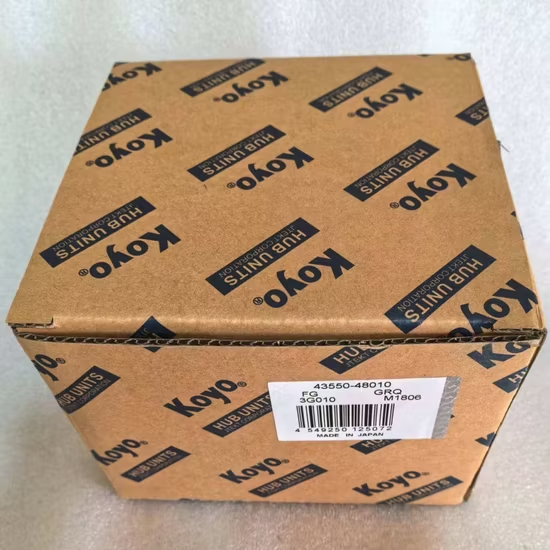
Scan To Verify Authenticity — Every Dac27520045/43 wheel hub bearing ships with a traceable batch code scannable via the manufacturer's official validation app.
| Parameter | Value |
|---|---|
| Designation | Dac27520045/43 |
| Bearing Type | Double Row Angular Contact Wheel Hub Unit |
| Bore Diameter (d) | 27 mm |
| Outside Diameter (D) | 52 mm |
| Width (B) | 45/43 mm |
| Precision Class | P4 |
| Clearance Class | C0 |
| Material | Chrome Steel |
| ABS Sensor | Integrated Magnetic Encoder Ring |
| Seal Type | Available in Nylon, Brass, or Iron Seal Variants |
| Certification | ISO9001 |
Note: The cross-reference code 27kwd02 is an unverified suffix designation that requires manufacturer catalog confirmation before final substitution.
| Industry | Typical Applications |
|---|---|
| Automotive Repair | Front and rear wheel hub assemblies for passenger vehicles |
| Heavy Vehicle Maintenance | Light commercial vehicle wheel ends requiring integrated ABS rings |
| Agricultural Machinery | Low-speed wheel axles on trailers and harvesting attachments |
Matching the base number is never enough when internal clearances and cage materials dictate survival under thermal stress.
I have seen too many hub units fail prematurely in the Pearl River Delta auto parts market simply because a purchaser matched the outer dimensions but ignored the internal suffix codes. In one specific case involving this exact hub size, a replacement unit with an incorrectly specified cage material disintegrated under high-temperature highway driving, leading to a complete wheel-end lockup. When sourcing a Dac27520045/43 wheel hub bearing, overlooking the seal type or clearance class invites catastrophic brake system warnings and sudden mechanical binding .
Supplying the correct Dac27520045/43 wheel hub bearing goes far beyond pulling a matching part number from a catalog. Our technical team reviews the specific vehicle application to ensure the integrated ABS encoder ring matches the factory sensor gap and signal polarity. This application-based selection review prevents the frustrating scenario where a brand-new hub unit triggers a dashboard ABS fault light immediately after installation.
Wheel ends endure a brutal combination of radial loads from vehicle weight and axial thrust during cornering, all while exposed to road splash and brake dust. The C0 standard clearance is engineered to accommodate the thermal expansion generated by adjacent brake rotors without causing the rolling elements to bind. Furthermore, selecting the appropriate seal variant—whether a low-friction nylon lip or a heavy-duty iron shield—dictates how well the internal grease resists contamination from water and particulate ingress over thousands of miles .
The "Dac" prefix identifies this component as a double angular contact hub unit, designed specifically to handle combined loads without the need for manual preload adjustment during assembly. The 27 mm bore, 52 mm outside diameter, and asymmetric 45/43 mm width profile ensure direct fitment into the steering knuckle and brake rotor sandwich. Achieving P4 precision guarantees that the inner and outer rings maintain strict geometric tolerances, minimizing rotational vibration that could otherwise degrade the ABS signal quality. The availability of different cage and seal materials allows procurement engineers to specify the exact internal configuration required by the original equipment manufacturer.
Substituting a hub unit based solely on physical dimensions often results in premature failure and unplanned vehicle downtime. If a cross-reference matches the outer profile but specifies a C3 clearance instead of the required C0, the resulting internal play will cause excessive vibration and rapid wear of the ABS encoder ring. According to ISO 281 life calculation frameworks, operating a bearing with incorrect internal geometry or inadequate sealing drastically reduces its fatigue life, ultimately leading to warranty voidance and costly secondary repairs to the steering knuckle and brake calipers .
We maintain authorized distribution channels across major international brands, meaning you can consolidate mixed-brand automotive orders into a single shipment without juggling multiple suppliers. Our cross-referencing process strictly aligns the base designation, ABS encoder tooth count, and seal geometry, eliminating the guesswork that causes field failures. Every batch is fully traceable to the manufacturer, providing the documentation required for strict quality audits. We also offer post-delivery mounting guidance to ensure the hub unit is pressed into the knuckle correctly, preventing raceway brinelling during installation.
To ensure accurate selection and cross-reference verification, please provide the original equipment manufacturer part number or the specific vehicle chassis code. Sharing the operational environment, such as exposure to heavy road salt or extreme braking temperatures, allows our engineering team to recommend the most suitable seal and cage variant. We will then perform a technical review and return a comprehensive quotation with confirmed lead times and full documentation packages.
Q: How do I verify the authenticity of the received hub units?
A: Each unit includes a unique batch traceability code. You can scan the QR label using the manufacturer's official mobile application to instantly verify the production date, factory origin, and authenticity. This prevents the installation of counterfeits with soft inner rings that fail under load.
Q: Why must I check the ABS ring when cross-referencing this hub bearing?
A: Even if the physical dimensions match perfectly, the magnetic encoder ring's pole count and signal polarity must align with the vehicle's factory sensors. Installing a unit with an incompatible ABS ring will trigger immediate dashboard warning lights and disable the anti-lock braking system.
Q: What is the difference between C0 and C3 clearance in wheel hub applications?
A: C0 is the standard clearance designed to accommodate normal thermal expansion from brake rotors without binding. C3 provides extra internal play for high-heat environments. Installing a C3 unit where C0 is specified causes excessive play, leading to vibration, premature wear, and degraded ABS signal accuracy.
Q: How should I choose between nylon, brass, and iron seal variants?
A: Nylon seals offer low friction for standard passenger vehicles, maximizing fuel efficiency. Iron shields provide superior protection against heavy debris and water ingress for commercial or agricultural applications. Brass cages are selected for high-load scenarios requiring superior thermal conductivity and vibration resistance.
Our 5-step process ensures every order is engineered, validated, and supported for optimal performance.
Technical needs assessment
Custom specifications
Free samples for $50k+
Pre-shipment inspection
On-site & predictive
Our certified engineers respond within 24 hours with detailed technical specifications, pricing, and lead time information.