01
Consultation
Technical needs assessment

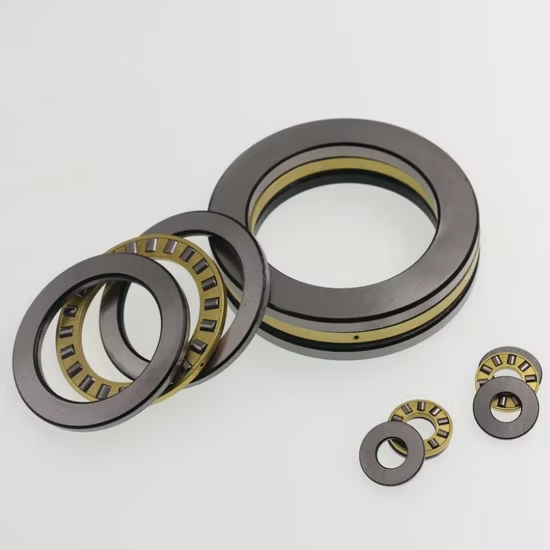

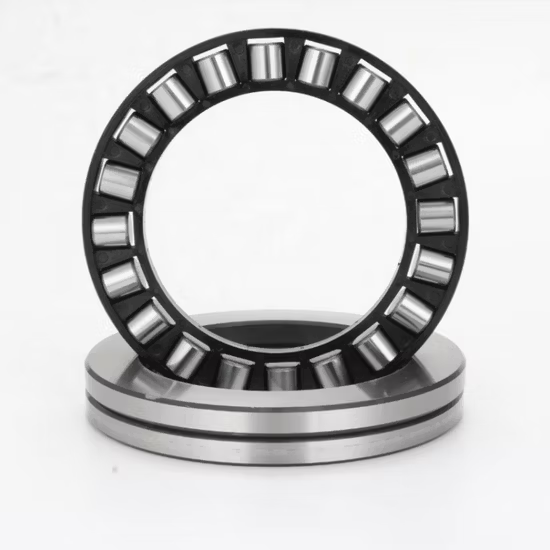
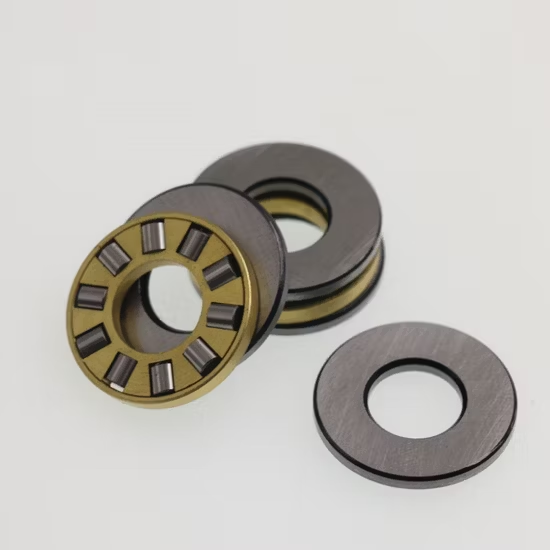
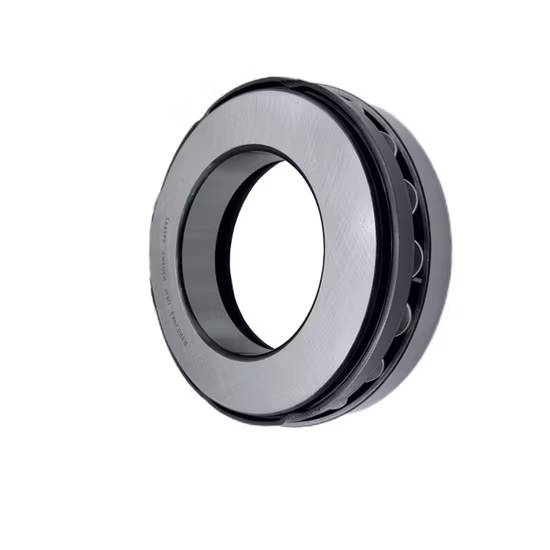
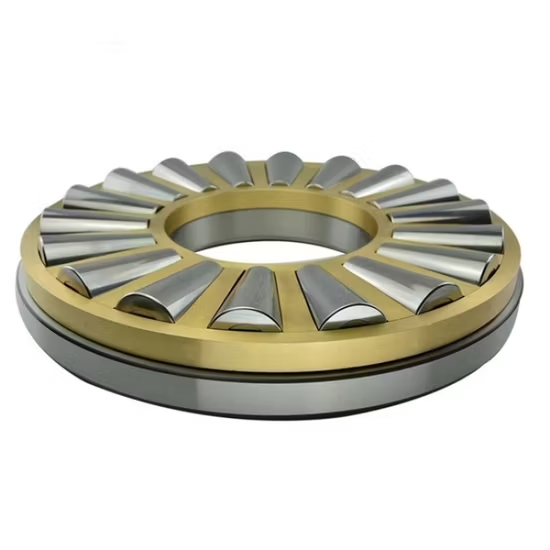
81228 Cylindrical Roller Thrust Bearing — engineered to accommodate extreme unidirectional axial loads and shock impacts while delivering high structural rigidity.
Traceable Batch Origin — Every 81228 cylindrical roller thrust bearing ships with manufacturer lot documentation verifying its exact production run.
| Parameter | Value |
|---|---|
| Designation | 81228 |
| Bearing Type | Cylindrical Roller Thrust Bearing |
| Vibration Level | Z1V1, Z2V2, Z3V3 |
| Customization | Available |
| Origin | Germany, Japan, Sweden, Malaysia, China |
| HS Code | 8482500090 |
| Industry | Typical Applications |
|---|---|
| Industrial Gearboxes | Extruder screw thrust retention |
| Machine Tools | Vertical rotary table swivel bases |
| Material Handling | Crane hook block swivel mechanisms |
| Mining and Crushing | Gyratory crusher eccentric shaft supports |
Identical designations hide critical internal variations that dictate survival under extreme axial loads.
Seeing a crusher seize in Dubai because the replacement matched the base number but lacked the correct cage material for high-temperature heavy loads is a recurring nightmare. Procurement teams often assume the 81228 cylindrical roller thrust bearing is a universal fit, overlooking how internal designs respond to continuous shock loads. Swapping units without verifying the exact internal geometry leads to rapid thermal binding and catastrophic cage failure .
Selecting the right vibration level ensures the 81228 cylindrical roller thrust bearing operates smoothly in precision spindles or rugged gearboxes. We cross-reference your equipment's operational profile to match the Z1V1, Z2V2, or Z3V3 specifications, preventing resonance-induced cage fatigue. This application-based selection review covers load, speed, and temperature to guarantee optimal performance.
Heavy machinery generates immense unidirectional axial forces combined with severe shock loads that challenge standard thrust designs. Elevated operating temperatures alter internal clearances, demanding precise alignment between the thermal expansion of the housing and the bearing components. Inadequate lubrication flow in vertical shaft arrangements accelerates wear on the roller ends, while contaminated environments require robust sealing solutions to protect the raceways .
The 81228 cylindrical roller thrust bearing is engineered specifically to accommodate heavy axial loads and rigid operational demands. Available vibration levels ranging from Z1V1 to Z3V3 allow maintenance teams to select the precise noise and vibration profile required for sensitive machine tool spindles or heavy extruders. Customization options ensure the internal geometry aligns with specific housing constraints and load distributions. Sourcing from authorized origins across Germany, Japan, Sweden, Malaysia, or China guarantees adherence to strict metallurgical standards. Without verifying these specific traits, a basic designation match will inevitably result in premature field failure.
Installing an unverified replacement triggers a cascade of mechanical failures starting with localized spalling on the shaft washers. Misaligned internal geometries cause uneven load distribution across the cylindrical rollers, rapidly degrading the raceway surface. This accelerated wear inevitably leads to unplanned downtime and catastrophic damage to adjacent gearbox components. Adhering to proper selection protocols prevents warranty voidance and ensures predictable L10 life calculations .
Our authorized distribution network covers all major international brands, allowing a single order to fulfill mixed-brand requirements for complex gearboxes. We match cross-brand interchanges based on exact vibration grades and internal designs, not just the base 81228 number. Every unit features batch traceability to the manufacturer, verifiable through official brand apps to eliminate counterfeit risks. Our technical team reviews your specific load and speed parameters to confirm the selected variant suits your exact application.
To ensure the selected variant perfectly matches your machinery, share your specific axial load profiles, operating speeds, and thermal conditions for a comprehensive L10 life review. Providing the original OEM equipment number allows our engineering team to execute a precise cross-reference check, verifying that internal geometries and vibration grades align flawlessly. This technical validation guarantees you receive a fully optimized replacement rather than a generic substitute.
Q: What internal parameters must align when cross-referencing the 81228?
A: Beyond the base number, you must verify the vibration level, cage material, and internal clearance. Matching only the 81228 designation while ignoring these internal design variants often leads to thermal binding or cage failure under heavy axial loads. We align all these parameters to ensure exact operational compatibility.
Q: How do Z1V1, Z2V2, and Z3V3 vibration levels affect application selection?
A: Lower vibration levels like Z3V3 are critical for machine tool spindles requiring high precision and minimal resonance. Higher vibration tolerances may suffice for rugged mining crushers. Selecting the correct grade prevents premature fatigue and ensures smooth operation under specific dynamic loads.
Q: How can I verify the authenticity and batch origin of this bearing?
A: Every unit we supply includes batch traceability documentation and a Certificate of Conformity. You can scan the packaging QR code using the manufacturer's official app to verify the exact production lot, effectively eliminating the risk of installing counterfeit components with soft inner rings.
Q: What causes premature failure in cylindrical roller thrust bearings under heavy loads?
A: Failures typically stem from uneven load distribution caused by misalignment, inadequate lubrication, or incorrect internal clearance selection. According to ISO 15243, improper cage material for high-temperature environments also accelerates wear, leading to catastrophic seizure and unplanned equipment downtime.
Q: How do you handle cross-brand substitutions when the original 81228 is unavailable?
A: We utilize authorized cross-reference databases to identify exact equivalents from other major brands. This process strictly matches the required vibration grade, internal geometry, and load capacity, ensuring the substitute performs identically to the original specification without compromising reliability.
Our 5-step process ensures every order is engineered, validated, and supported for optimal performance.
Technical needs assessment
Custom specifications
Free samples for $50k+
Pre-shipment inspection
On-site & predictive
Our certified engineers respond within 24 hours with detailed technical specifications, pricing, and lead time information.