01
Consultation
Technical needs assessment

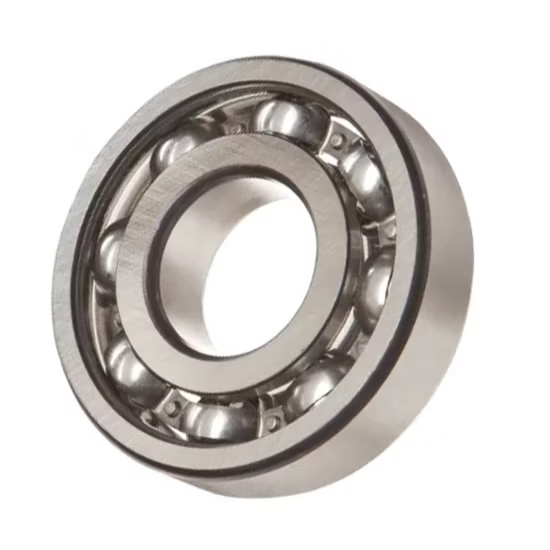

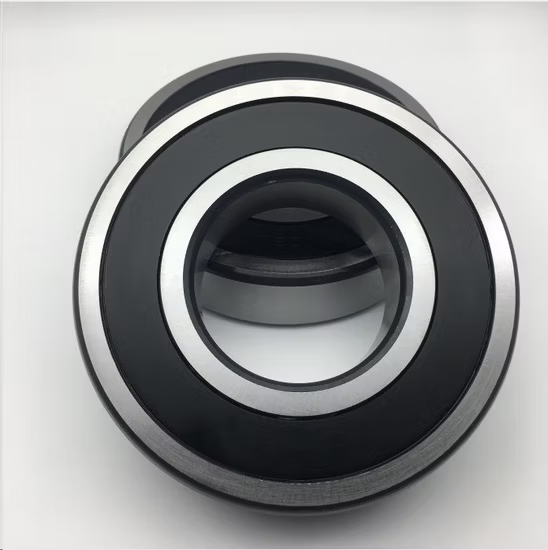
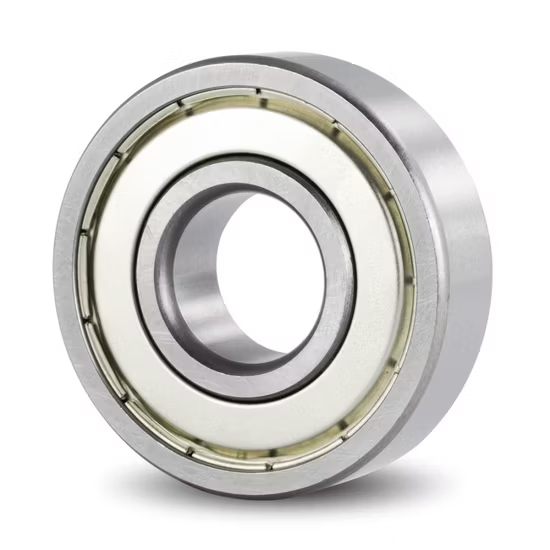
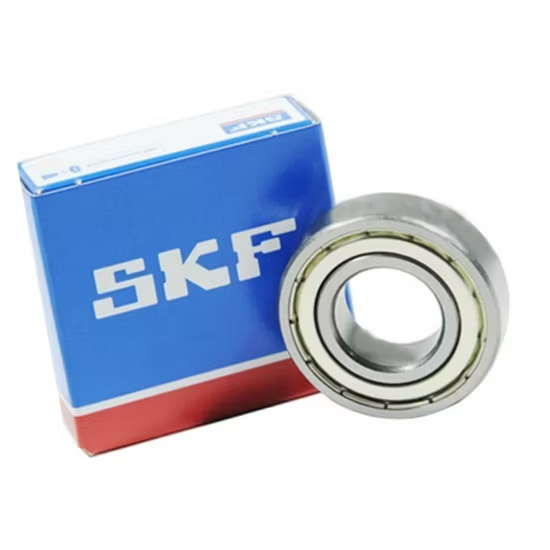

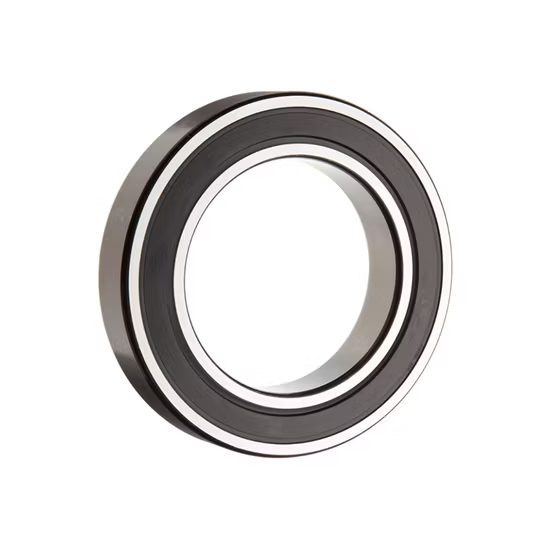
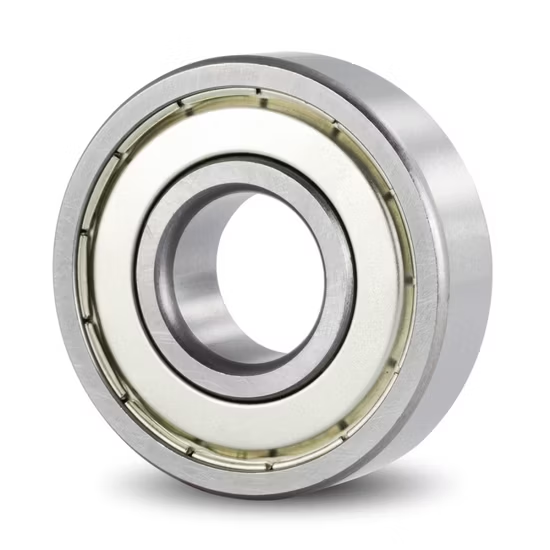
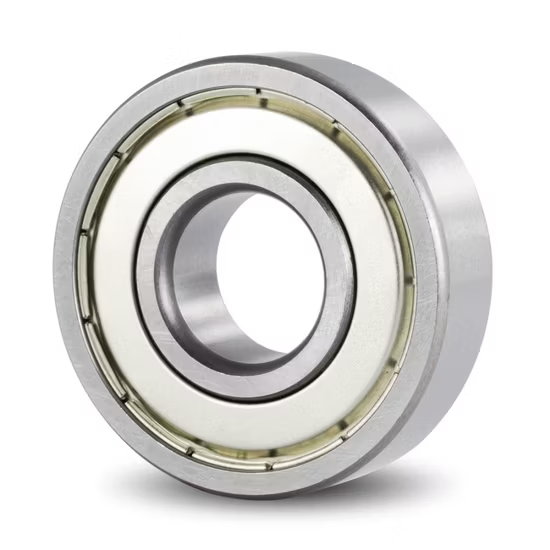
6300 6301 6302 6303 6304 6305 Deep Groove Ball Bearing series supplied in open, rubber seal, and iron shield configurations to match specific contamination and lubrication requirements.
Three-point cross-reference alignment — verifying seal configuration, internal clearance, and noise grade simultaneously prevents thermal binding when replacing standard 63xx series units.
| Parameter | Value |
|---|---|
| Designation | 6300 6301 6302 6303 6304 6305 |
| Bearing Type | Deep Groove Ball Bearing |
| Seal or Shield Type | Open, Rubber Seals, Iron Seals |
| Noise and Vibration Level | Z1V1, Z2V2, Z3V3, Z4V4 |
| Origin | Germany, Japan, Sweden, Malaysia, China |
| HS Code | 848210 |
| Industry | Typical Applications |
|---|---|
| Electric Motors | Rotor support shafts, cooling fan drive ends |
| Industrial Gearboxes | High-speed input shafts, intermediate gear stages |
| Material Handling | Conveyor drive pulleys, roller return idlers |
| Pumps and Compressors | Impeller shaft supports, auxiliary drive units |
Matching the base number is only the first step; ignoring suffix alignment causes catastrophic thermal seizure.
Procurement teams often assume that a standard 6305 deep groove ball bearing is a direct drop-in replacement across all machinery. In reality, installing a standard clearance unit in an electric motor designed for thermal expansion leads to rapid internal preload buildup. I have inspected countless seized rotors in Yangtze River Delta workshops where the sole culprit was a base-number match that overlooked the required C3 clearance and specific rubber seal friction limits. When cross-referencing these components, failing to align the noise and vibration classifications results in unacceptable acoustic output in precision environments .
Selecting the correct 6300 6301 6302 6303 6304 6305 deep groove ball bearing requires balancing contamination exclusion with friction heat. Our technical review process evaluates your specific operating environment to recommend the optimal seal type and Z/V grade. We ensure that the chosen configuration provides adequate dust protection without generating excess drag that could degrade the lubricant prematurely in continuous-duty electric motors.
Electric motors and gearboxes subject these components to significant thermal gradients and particulate exposure. As the rotor heats up during continuous operation, the inner ring expands, steadily reducing internal clearance. If the initial clearance is not specified correctly to accommodate this thermal growth, the rolling elements will skid, generating even more heat in a destructive feedback loop. Simultaneously, the choice between contact rubber seals and non-contact iron shields dictates the friction profile and the level of ingress protection against airborne dust . Proper lubrication retention is equally critical, as washed-out grease leads to immediate cage starvation.
The distinction between open, rubber-sealed, and iron-shielded variants fundamentally alters the operational envelope. Rubber seals provide superior exclusion of fine particulates but introduce higher rotational friction, making them less suitable for extreme-speed applications where iron shields or open designs with external lubrication are preferred. Furthermore, the Z1V1 through Z4V4 noise and vibration classifications are not merely cosmetic labels; they reflect the internal surface finish and geometric accuracy of the raceways. A Z3V3 or Z4V4 rating is mandatory for precision spindle motors to prevent harmonic resonance, whereas general-purpose conveyors can reliably operate with Z1V1 standards.
Installing a component with incorrect internal geometry or seal friction inevitably triggers unplanned downtime. According to ISO 281 frameworks, operating a bearing under unintended preload conditions drastically reduces its calculated fatigue life. When a standard clearance unit seizes inside a critical gearbox due to thermal expansion, the resulting collateral damage to shafts and housings multiplies the replacement cost. Such premature failures not only void equipment warranties but also disrupt entire production lines, turning a minor procurement oversight into a major operational crisis .
Sourcing these components through our authorized network eliminates the risk of receiving counterfeit units with soft inner rings that fail under load. We execute cross-reference matching that strictly aligns the base designation with the exact seal type and Z/V noise grade required by your OEM specifications. Every shipment includes comprehensive batch traceability, ensuring that the metallurgical integrity and dimensional accuracy meet the original manufacturer's rigorous standards. This meticulous verification process guarantees that mixed-brand orders arrive with complete documentation and exact application suitability.
To ensure precise application matching, please provide your equipment's operational parameters, including radial and axial loads, operating speeds, and ambient temperature ranges. Sharing the specific OEM equipment numbers allows our engineering team to perform a comprehensive cross-reference review, verifying that the selected seal type and noise grade perfectly align with your original design intent. This technical validation guarantees that the supplied components will deliver optimal service life without thermal or acoustic complications.
Q: How do I choose between rubber seals and iron shields for my application?
A: Rubber seals offer superior protection against fine dust and moisture but generate higher friction, making them ideal for moderate-speed, dirty environments. Iron shields provide non-contact protection with minimal friction, suiting high-speed applications where heat generation must be minimized and external lubrication is maintained.
Q: Why must I verify the Z/V noise grade during cross-referencing?
A: The Z/V grade indicates the internal surface finish and geometric precision of the raceways. Installing a lower Z1V1 grade in an application specified for Z3V3 or Z4V4 will introduce unacceptable acoustic noise and vibration, potentially causing harmonic resonance and premature fatigue in precision electric motors.
Q: How does the QR verification process work for these components?
A: Each authorized batch features a unique QR code linked to the manufacturer's database. By scanning this code using the brand's official mobile application, procurement and maintenance teams can instantly verify the product's authenticity, production date, and origin, effectively eliminating the risk of installing counterfeit parts.
Q: What is the practical difference between Z1V1 and Z4V4 classifications?
A: Z1V1 represents standard commercial noise and vibration limits suitable for general industrial machinery like conveyors. Z4V4 denotes the highest precision tier, achieved through ultra-fine raceway honing, which is strictly required for high-end electric motors and precision spindles where absolute acoustic silence and smooth rotation are critical.
Q: How do you handle mixed-brand orders for these designations?
A: Our authorized distribution covers all major international brands, allowing us to consolidate mixed-brand requirements into a single shipment. We ensure that every unit in the order meets the exact same suffix, clearance, and sealing specifications, backed by uniform traceability documentation and pre-shipment inspection reports.
Our 5-step process ensures every order is engineered, validated, and supported for optimal performance.
Technical needs assessment
Custom specifications
Free samples for $50k+
Pre-shipment inspection
On-site & predictive
Our certified engineers respond within 24 hours with detailed technical specifications, pricing, and lead time information.