01
Consultation
Technical needs assessment

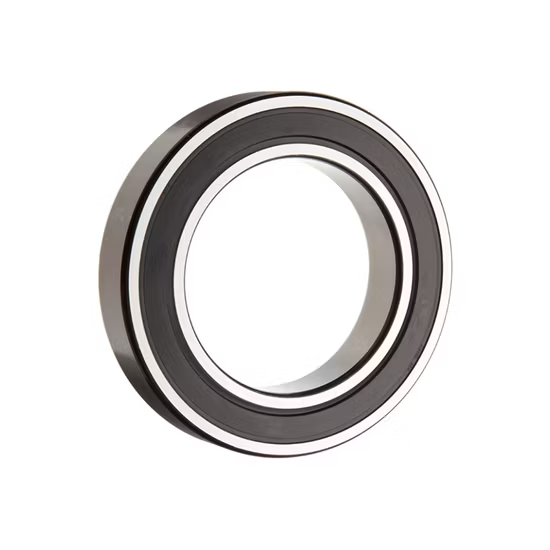


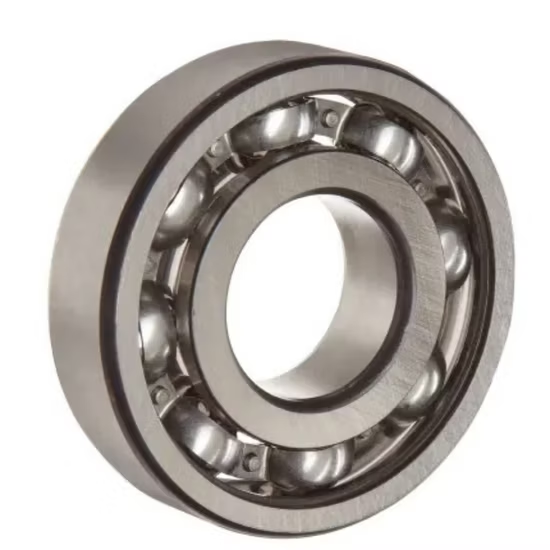
61848 61849 61850 61851 Zz 2RS M Deep Groove Ball Bearings feature Gcr15 steel construction with a machined brass cage for high-vibration car engine stability. Select Zz steel shields for medium-speed dust protection or 2RS contact rubber seals for maintenance-free contamination defense.
Multi-brand authorized coverage — Fulfill mixed SKF, FAG, and NSK requirements for 61848 61849 61850 61851 Zz 2RS M deep groove ball bearings in a single consolidated shipment without coordinating multiple vendors.
| Parameter | Value |
|---|---|
| Designation | 61848 61849 61850 61851 Zz 2RS M |
| Bearing Type | Deep Groove Ball Bearing |
| Number of Rows | Single Row |
| Seal or Shield Type | Zz (Double steel shields), 2RS (Double contact rubber seals), Open |
| Cage Material | M (Machined brass cage) |
| Material | Gcr15 bearing steel options |
| Precision Class | P0, P6, P5, P4, P2 |
| Origin | Shanghai |
| Industry | Typical Applications |
|---|---|
| Automotive and Heavy Vehicle Repair | Car engine auxiliary shafts, alternator pulleys, and high-speed transmission components |
| Electric Motors and Generators | High-speed motor rotors, spindle drives, and precision pump impeller supports |
| Industrial Gearboxes and Conveyors | Gearbox input shafts, conveyor drive rollers, and material handling equipment |
A matching base designation does not guarantee operational survival when internal cage materials or clearance classes are incorrectly substituted during procurement.
Purchasing engineers frequently encounter situations where the outer dimensions align perfectly, yet the installed component suffers thermal binding or premature cage disintegration under load. In automotive engine bays and high-speed electric motors, substituting a pressed steel cage for a required machined brass variant leads to catastrophic friction buildup. I have personally inspected seized car engines where counterfeit thin-section bearings with soft inner rings and incorrect shields caused total mechanical lockup at high RPMs . Securing the exact 61848 61849 61850 61851 deep groove ball bearing configuration is the only way to prevent these hidden mismatches from destroying critical machinery.
Selecting the correct variant from the 61848 61849 61850 61851 deep groove ball bearing lineup requires aligning the sealing and cage design with the specific operating environment. Our technical team reviews your exact load, speed, and temperature parameters to ensure the chosen configuration handles the application's unique stresses. Whether the equipment demands the low-friction profile of steel shields or the superior contamination exclusion of contact seals, we verify every suffix against the OEM specification before finalizing the order.
Car engines and industrial gearboxes subject thin-section components to extreme rotational speeds and aggressive particulate exposure. At elevated RPMs, friction from inappropriate seal types generates excess heat, degrading the lubricant and accelerating raceway wear. Conversely, operating in dusty environments without proper contact seals allows abrasive particles to infiltrate the rolling elements, causing rapid surface fatigue . The thermal expansion of the shaft and housing also dictates the necessary internal clearance; ignoring these dynamic temperature shifts inevitably results in preload accumulation and eventual seizure.
The suffix designations dictate the operational boundaries of these single-row components. The M suffix indicates a machined brass cage, which provides superior stability and vibration damping at high speeds compared to standard pressed steel alternatives. Choosing between Zz double steel shields and 2RS double contact rubber seals involves balancing friction against contamination exclusion; shields offer lower torque for high-speed electric motors, while rubber seals provide vital moisture and dust protection for exposed automotive applications. Furthermore, selecting the appropriate precision class, ranging from standard P0 up to ultra-precise P2, ensures the running accuracy required to minimize vibration and noise in sensitive spindle or motor assemblies.
Specifying the wrong internal clearance or cage material triggers a cascade of mechanical failures that extend far beyond the cost of the replacement part. Unplanned downtime in a continuous manufacturing line or a critical vehicle repair delays operations and damages operational credibility. Catastrophic damage to adjacent shafts and housings often occurs when a bearing disintegrates under high-speed thermal binding. Relying on ISO 15243 failure analysis frameworks reveals that a significant share of these premature failures stems directly from specification errors during the initial procurement phase rather than manufacturing defects .
We eliminate the risk of receiving components with soft inner rings by sourcing exclusively through authorized distribution channels with full batch traceability. Our cross-reference process strictly verifies the exact cage material, clearance class, and precision suffixes, preventing the common error of matching only the base number. For thin-section designs like these, we specifically check for the correct brass cage configuration to ensure high-speed stability in your car engines and motors. Every shipment is backed by manufacturer documentation, ensuring you receive genuine products capable of passing rigorous official app QR verification upon arrival.
To ensure optimal performance, please provide your specific radial and axial load profiles, operational speeds, and ambient temperature ranges for our L10 life recalculation. Sharing the exact OEM equipment numbers allows our engineering team to perform a comprehensive cross-reference check, confirming the required internal clearance and cage material. This technical review guarantees that the final configuration perfectly matches your car engine or industrial motor requirements.
Q: Why must cross-reference alignment include clearance and cage suffixes, not just the base number?
A: Matching only the base number often results in receiving a standard pressed steel cage when a machined brass cage is required for high-speed stability. Similarly, ignoring clearance suffixes leads to thermal binding when the shaft expands. We verify every suffix to ensure the internal geometry perfectly matches the operational demands of your specific electric motor or car engine application.
Q: How do I choose between Zz steel shields and 2RS rubber seals for my application?
A: Zz steel shields provide excellent protection against large particles while maintaining low friction, making them ideal for high-speed electric motors where heat generation must be minimized. Conversely, 2RS rubber contact seals offer superior exclusion of fine dust and moisture, which is critical for automotive components exposed to harsh environmental contamination, despite a slight increase in rotational torque.
Q: What are the performance benefits of the M machined brass cage in these bearings?
A: The M machined brass cage offers exceptional structural integrity and vibration damping under high-speed and high-load conditions. Unlike pressed steel or polyamide alternatives, brass maintains its stability at elevated temperatures and resists degradation from aggressive lubricants. This makes it the mandatory choice for demanding car engine and industrial gearbox applications where cage failure would cause catastrophic downtime.
Q: How does the precision class impact high-speed motor applications?
A: Higher precision classes, such as P4 or P2, feature strictly controlled dimensional and running accuracy tolerances. In high-speed electric motors and spindles, this minimizes internal vibration, reduces noise, and ensures even load distribution across the rolling elements. Utilizing a standard P0 grade in these demanding applications often leads to premature fatigue and excessive heat generation.
Q: How can I verify the authenticity and batch traceability upon delivery?
A: Every shipment includes a Certificate of Conformity and batch traceability documentation. You can verify the authenticity by scanning the provided QR codes through the official brand applications. This process confirms the exact manufacturing origin and ensures the internal components, including the Gcr15 steel and brass cages, meet the strict OEM specifications without counterfeit substitutions.
Our 5-step process ensures every order is engineered, validated, and supported for optimal performance.
Technical needs assessment
Custom specifications
Free samples for $50k+
Pre-shipment inspection
On-site & predictive
Our certified engineers respond within 24 hours with detailed technical specifications, pricing, and lead time information.