01
Consultation
Technical needs assessment



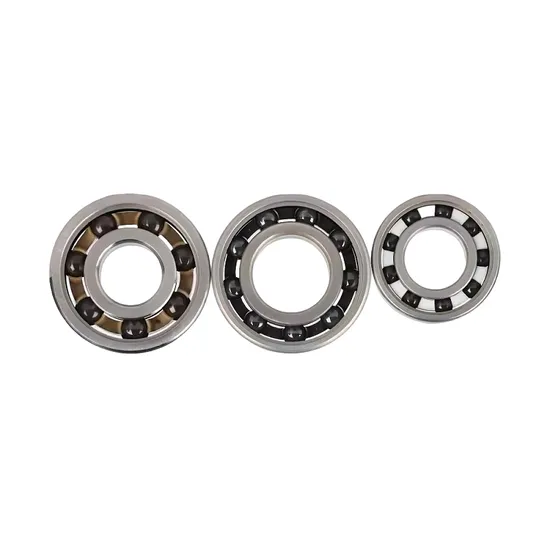
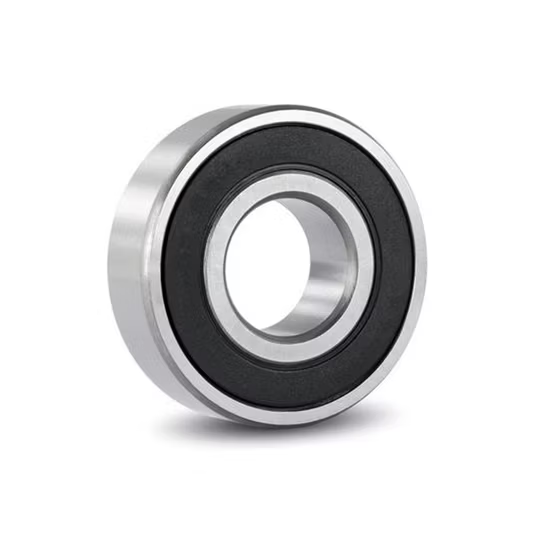
6000 6200 6300 6400 62200 6800 6900 Deep Groove Ball Bearing — Ceramic rolling elements optimize high-speed and high-temperature performance, while open, rubber, or iron seal configurations adapt to varying contamination levels. Strict Z1V1 to Z4V4 vibration grades ensure smooth operation in electric motors and gearboxes.
Batch Traceability — Every 6000 6200 6300 series deep groove ball bearing shipped includes verifiable manufacturer lot documentation to eliminate counterfeit risks.
| Parameter | Value |
|---|---|
| Designation | 6000 6200 6300 6400 62200 6800 6900 |
| Bearing Type | Deep Groove Ball Bearing |
| Seal or Shield Type | Open, Rubber Seals, Iron Seals |
| Noise and Vibration Level | Z1V1, Z2V2, Z3V3, Z4V4 |
| Cage Material | Nylon, Copper |
| Rolling Element Material | Steel, Ceramic options |
| Origin | Germany, Japan, Sweden, Malaysia, China |
| HS Code | 848210 |
| Industry | Typical Applications |
|---|---|
| Electric Motors | Rotor shaft support, cooling fan drives |
| Industrial Gearboxes | High-speed input shafts, intermediate staging |
| Pumps & Conveyors | Impeller shafts, idler pulley rollers |
| General MRO | Household appliance spindles, automated assembly actuators |
Matching only the base designation while ignoring internal clearance and cage material is a primary cause of thermal binding in high-speed electric motors.
Procurement teams often source replacements based solely on the basic number, missing critical suffix variations that dictate operational survival. When a standard clearance bearing is forced into an application requiring thermal expansion compensation, the internal gap closes as temperatures rise, leading to severe friction and premature seizure. We address this by enforcing strict cross-reference alignment across base number, internal design, and precision grades to prevent catastrophic field failures .
Selecting the correct 6000 6200 6300 series deep groove ball bearing requires mapping specific configuration options to the actual operating environment. Our technical review process evaluates load profiles, rotational speeds, and ambient temperatures to recommend the optimal seal and cage combination. This prevents the common mismatch where a high-friction contact seal is specified for a high-speed spindle, generating excess heat and degrading the lubricant prematurely.
Electric motors and industrial gearboxes subject bearings to continuous radial loads and elevated thermal cycles. At higher rotational speeds, friction heat alters the internal clearance, making the choice between standard and expanded clearance classes critical for avoiding cage stress. In contaminated environments like conveyors, the decision between non-contact iron shields and rubbing rubber seals balances particulate exclusion against frictional heat generation. Proper lubrication intervals and selecting the correct noise and vibration grade further ensure smooth operation without unexpected thermal degradation .
The performance of these series hinges on the interplay between cage material and rolling element composition. Nylon cages offer low friction and quiet operation but have strict thermal limits, whereas copper cages provide superior durability and heat dissipation for demanding high-speed applications. For extreme environments, ceramic rolling element options significantly reduce centrifugal forces and electrical arcing risks. Furthermore, specifying higher noise and vibration grades ensures the geometric precision necessary for sensitive equipment, preventing micro-vibrations that accelerate raceway fatigue.
Installing a bearing with an incorrect cage material or inadequate precision class leads to unplanned downtime and secondary equipment damage. A melted nylon cage in a high-temperature motor not only seizes the rotor but can destroy the stator windings, voiding equipment warranties. According to failure analysis frameworks, a significant share of premature failures stems from these subtle specification mismatches rather than inherent material defects, turning a minor component replacement into a major operational disruption .
We eliminate the guesswork in mixed-brand procurement by providing authorized coverage across all major manufacturers, allowing a single order to fulfill diverse requirements. Our cross-reference protocol verifies that the replacement matches the original equipment not just in base dimensions, but in critical internal geometry and cage design. By supplying batch traceability and official verification tools, we protect your operations from the soft inner rings and cloned codes that plague the secondary market, ensuring every unit performs to its engineered specification.
To ensure precise application matching, provide your equipment operating parameters, including radial and axial loads, rotational speeds, and ambient temperatures. Sharing the original OEM equipment number or existing part designation allows our engineering team to perform a comprehensive cross-reference review. This data enables us to recommend the exact seal, cage, and clearance configuration required for your specific operational profile.
Q: Why must clearance and cage material align with the base designation?
A: Base numbers only define boundary dimensions. Internal clearance dictates thermal expansion tolerance, while cage material governs high-speed stability and temperature limits. Ignoring these parameters causes thermal binding or cage melting under load, leading to rapid failure even if the physical size fits the housing perfectly.
Q: How do I choose between rubber seals and iron shields?
A: Rubber seals provide superior exclusion of fine dust and moisture but generate higher friction, limiting top speed. Iron shields offer non-contact protection suitable for high-speed applications where heat generation must be minimized, though they are less effective against liquid contamination or fine particulate ingress.
Q: What are the benefits of ceramic rolling elements in these series?
A: Ceramic options are noticeably lighter and stiffer than steel, reducing centrifugal loads on the cage at high speeds. They also act as electrical insulators, preventing stray current arcing damage in variable frequency drive motors, ultimately extending the lubricant life and overall operational reliability.
Q: How do noise and vibration grades affect motor performance?
A: Higher grades indicate tighter manufacturing tolerances and superior surface finishes. In electric motors, this minimizes micro-vibrations and acoustic emissions, reducing structural resonance and preventing accelerated fatigue in both the bearing raceways and the surrounding motor housing components.
Q: How can I verify the authenticity of the supplied bearings?
A: We provide original manufacturer batch traceability and certificates of conformity. You can independently verify authenticity by scanning the packaging QR codes through the respective brand's official mobile application, which detects cloned labels and confirms the genuine production origin.
Our 5-step process ensures every order is engineered, validated, and supported for optimal performance.
Technical needs assessment
Custom specifications
Free samples for $50k+
Pre-shipment inspection
On-site & predictive
Our certified engineers respond within 24 hours with detailed technical specifications, pricing, and lead time information.