01
Consultation
Technical needs assessment

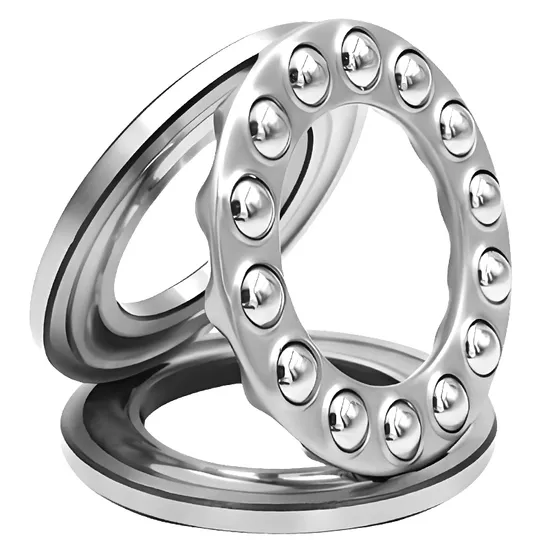
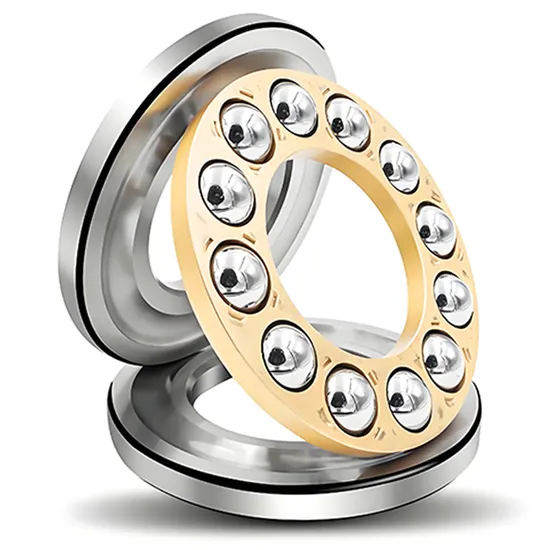
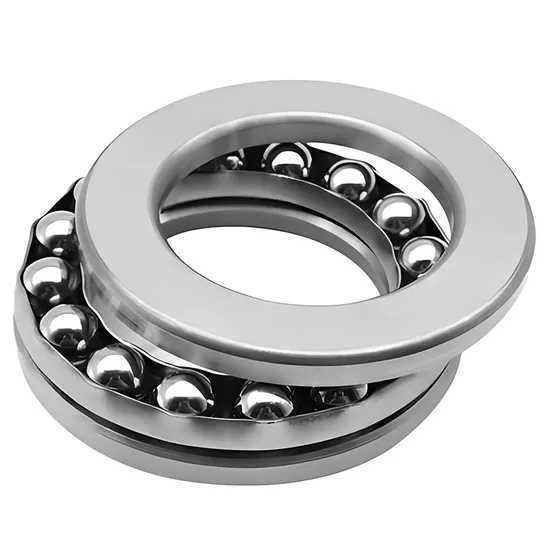
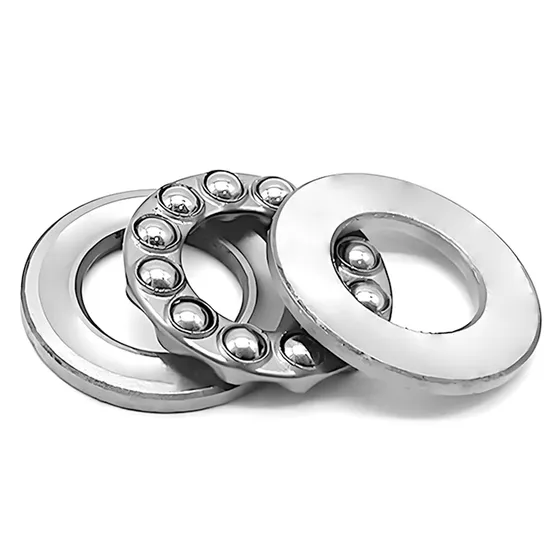
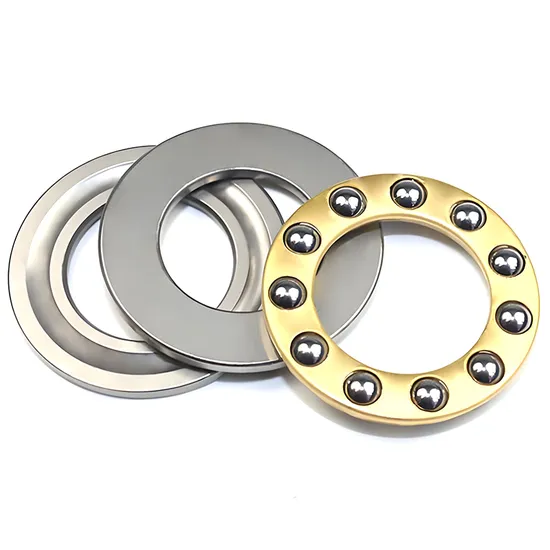
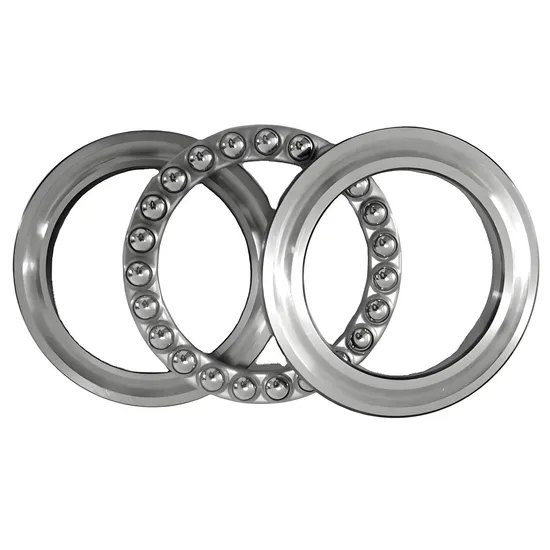
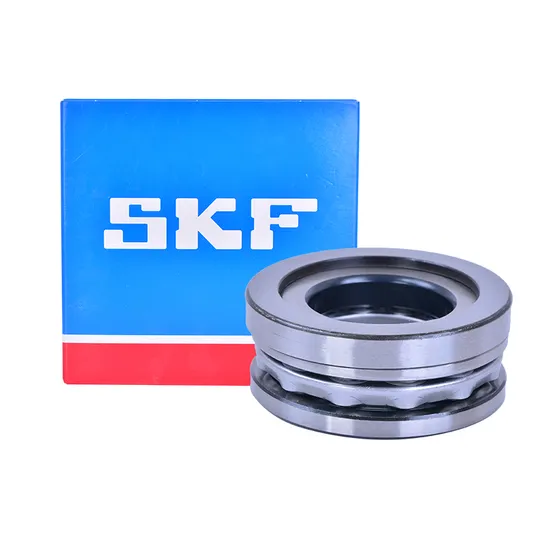
51217 Thrust Ball Bearing 85×125×31 mm — engineered to handle pure axial loads in crane hooks and vertical water pumps.
Original Batch Traceability — Every 51217 unit ships with manufacturer lot documentation verifiable through official brand applications.
| Parameter | Value |
|---|---|
| Designation | 51217 |
| Bearing Type | Thrust Ball Bearing |
| Bore Diameter (d) | 85 mm |
| Outside Diameter (D) | 125 mm |
| Width (T) | 31 mm |
| Cage Material | Pressed steel or machined brass options |
| Clearance Class | Standard or C3 options |
| Precision Class | P0 to P6 options |
| Origin | Germany / Japan / Sweden / Malaysia / China |
| Industry | Typical Applications |
|---|---|
| Mining and Heavy Lifting | Crane hook thrust blocks and hoist swivel mechanisms |
| Water Treatment and Fluid Handling | Vertical water pump shaft thrust collars |
Internal cage design and material mismatches cause catastrophic spinning failures under high axial loads.
Purchasing teams often approve replacements based solely on the base designation, overlooking critical internal variations. When a standard pressed steel cage is installed in a high-speed vertical pump application instead of a machined brass alternative, the cage experiences rapid fatigue. . Sourcing the correct 51217 thrust ball bearing requires verifying that the internal geometry aligns perfectly with the specific axial load and rotational speed of the equipment.
Vertical pumps demand exceptional axial load capacity and precise alignment to prevent shaft deflection. Supplying the correct 51217 thrust ball bearing involves more than matching the 85x125x31mm envelope dimensions; it requires confirming the cage material can withstand the specific lubrication regime and rotational speeds of the pump. Our technical team reviews application parameters to ensure the selected variant provides optimal stability and load distribution within the thrust collar assembly.
Thrust bearings operate under pure axial loads, making them highly sensitive to misalignment and inadequate lubrication. In crane hooks, shock loads from lifting can cause momentary oil film breakdown, necessitating robust cage designs that maintain rolling element spacing. . Temperature fluctuations in vertical pumps also dictate clearance selection, as thermal expansion of the shaft can eliminate internal clearance and lead to excessive friction and heat generation.
The 85 mm bore and 125 mm outside diameter define the physical footprint, but the internal components dictate operational survival. Cage material selection is critical: pressed steel cages are suitable for moderate speeds and standard loads, while machined brass cages offer superior strength and vibration damping for heavy lifting and higher speeds. Clearance selection must account for thermal expansion; a C3 clearance is often specified for vertical pumps where the shaft operates at elevated temperatures compared to the housing. Precision classes ranging from P0 to P6 determine the running accuracy, which directly influences vibration levels and the overall stability of the rotating assembly.
Installing an incorrectly specified thrust bearing rarely results in a simple, predictable wear-out. Instead, it leads to unplanned downtime when the cage fractures or the rolling elements skid, causing severe scoring on the shaft and housing washers. . This catastrophic damage often extends beyond the bearing itself, requiring extensive machining and replacement of adjacent drivetrain components, ultimately voiding equipment warranties and delaying critical project timelines.
Sourcing mixed-brand orders requires strict verification to ensure dimensional and performance consistency across different manufacturers. We address the common issue of cross-reference errors by validating that alternative designations match not just the base numbers, but also the internal clearance and cage specifications. Every shipment includes batch traceability to the manufacturer, allowing maintenance teams to verify authenticity via official brand applications. This rigorous approach prevents the installation of counterfeit components with soft inner rings that fail prematurely under heavy axial stress.
To ensure the selected thrust bearing perfectly matches your equipment, please provide the specific axial and radial loads, operating speeds, and continuous running temperatures. Sharing the OEM equipment number or the exact dimensions of the existing housing and shaft allows our engineering team to perform a precise cross-reference check and L10 life calculation. This technical review guarantees that the proposed solution addresses your unique operational challenges and prevents premature failures.
Q: What internal design differences should be checked when cross-referencing the 51217 with the older 8217 designation?
A: While the basic envelope dimensions remain identical, the internal cage design, rolling element count, and raceway curvature may differ between the modern 51217 and the obsolete 8217. It is crucial to verify that the dynamic load rating and the cage material of the replacement match the specific speed and load requirements of your application to avoid premature fatigue.
Q: What are the specific clearance and precision requirements for crane hook applications?
A: Crane hooks typically experience heavy shock loads and low rotational speeds, requiring a standard clearance class to maintain optimal load distribution across the rolling elements. High precision classes are generally unnecessary unless the hook incorporates a high-speed swivel mechanism; instead, focus should be placed on robust cage materials, such as machined brass, to withstand the dynamic lifting forces without fracturing.
Q: How can maintenance teams verify the batch traceability of the received thrust bearings?
A: Each bearing set is accompanied by manufacturer lot documentation that can be verified using the respective brand's official mobile application. By scanning the QR code or entering the batch number, maintenance teams can confirm the production date, origin, and authenticity of the 51217, ensuring it is a genuine product sourced through authorized distribution channels.
Q: What are the common failure modes in vertical water pumps and how should they be maintained?
A: In vertical pumps, thrust bearings commonly fail due to inadequate lubrication, thermal expansion eliminating internal clearance, or misalignment causing edge loading on the washers. Regular maintenance should include monitoring operating temperatures, ensuring the oil level or grease supply is sufficient to reach the cage pockets, and checking shaft runout to prevent uneven wear on the 85 mm bore washer.
Q: How do you ensure dimensional consistency when fulfilling multi-brand orders for the same designation?
A: We strictly adhere to ISO dimensional standards to ensure that any authorized brand variant of the 51217 maintains the exact 85x125x31mm footprint. Before shipment, our technical team reviews the cross-reference data to confirm that not only the external dimensions but also the internal load ratings and mounting tolerances align perfectly, allowing seamless interchangeability in your existing assemblies.
Our 5-step process ensures every order is engineered, validated, and supported for optimal performance.
Technical needs assessment
Custom specifications
Free samples for $50k+
Pre-shipment inspection
On-site & predictive
Our certified engineers respond within 24 hours with detailed technical specifications, pricing, and lead time information.