01
Consultation
Technical needs assessment


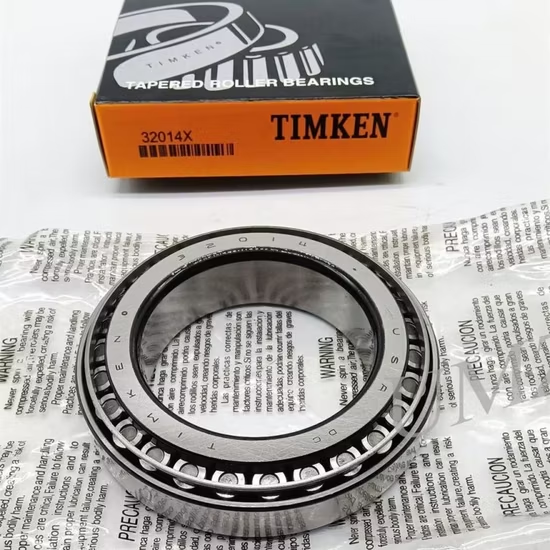
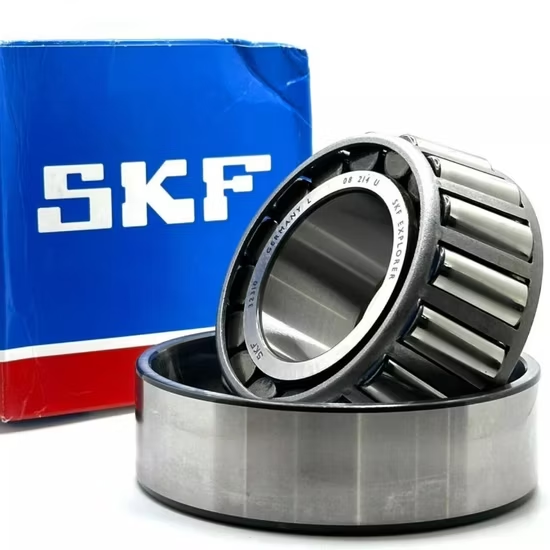
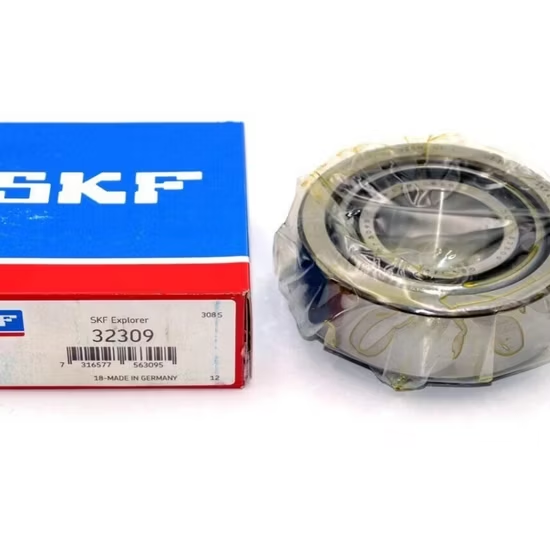
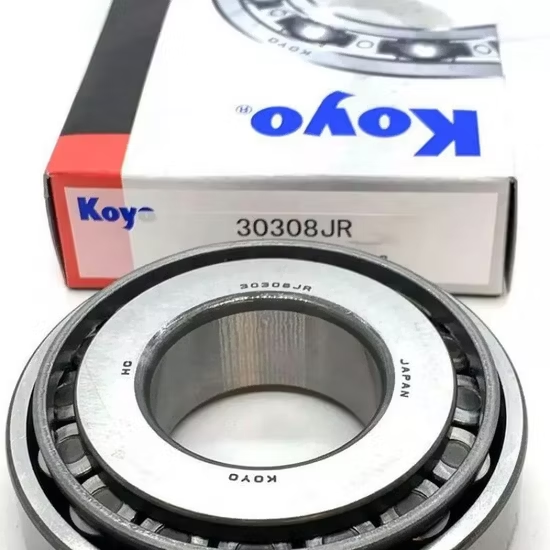
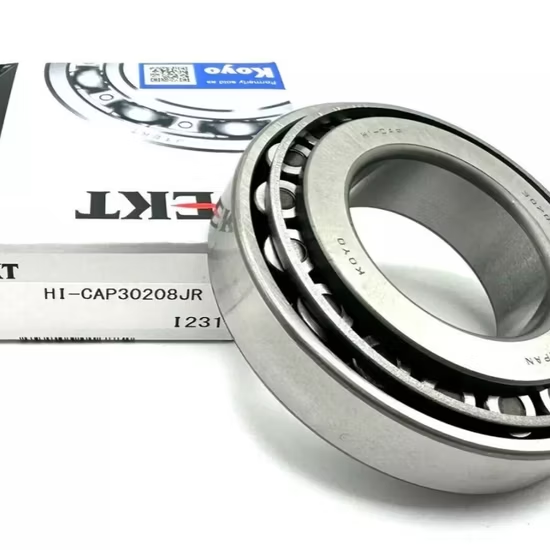
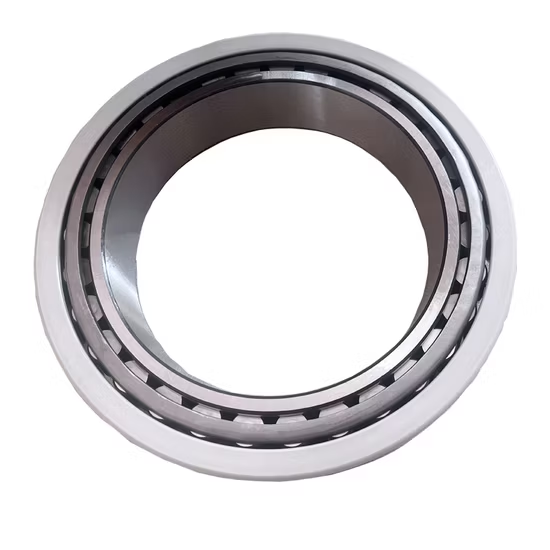
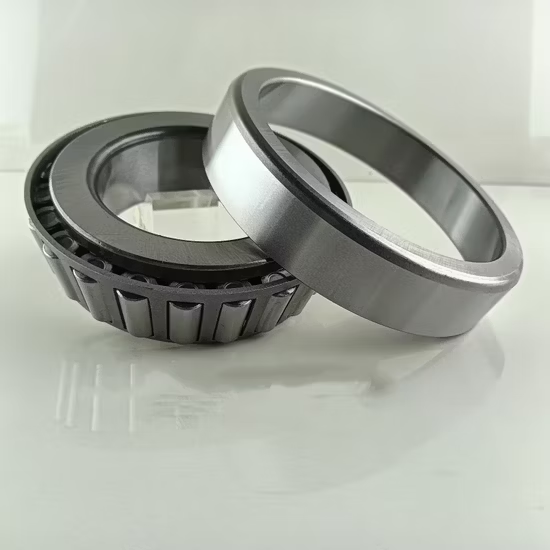
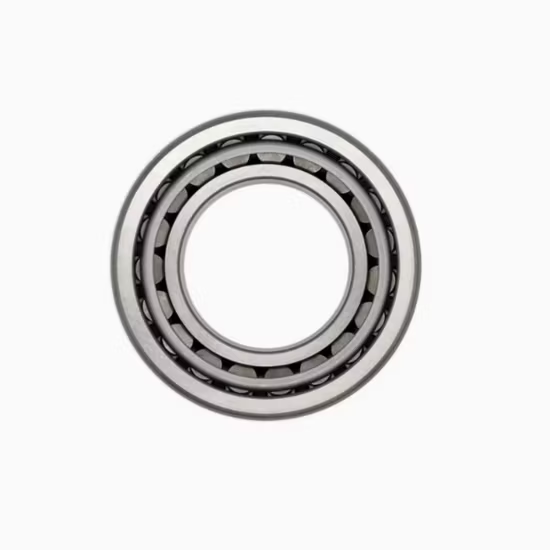
32949 32950 Tapered Roller Bearing P4 — engineered from GCr15 bearing steel to provide strict dimensional and running accuracy for automotive wheel hubs and truck axles.
Cross-Reference Alignment — Ensuring base number, clearance, and cage material match precisely to prevent thermal binding in wheel hubs.
| Parameter | Value |
|---|---|
| Designation | 32949 32950 |
| Bearing Type | Tapered Roller Bearing |
| Number of Rows | Single Row |
| Precision Class | P4 |
| Cage Material | Nylon, Brass, or Iron options |
| Material | GCr15 Bearing Steel |
| Origin | Germany, Japan, Sweden, Malaysia, or China |
| Customization | Available |
| Minimum Order Quantity | 1 PCS |
| Industry | Typical Applications |
|---|---|
| Automotive | Car wheel hub assemblies and steering knuckle pivots |
| Commercial Vehicles | Heavy-duty truck axles and wheel end reduction systems |
| Off-Highway | Agricultural tractor front axle pivots and steering joints |
When sourcing a 32949 32950 tapered roller bearing, matching the base designation is only the first step.
Internal clearances and cage materials dictate survival under thermal expansion.
During my years handling aftermarket warranty claims across Latin America, I witnessed countless wheel systems lock up simply because a standard clearance was installed where thermal expansion demanded a looser fit. A base number match means nothing if the internal geometry cannot handle the heat generated by continuous highway speeds or heavy braking loads . Procurement teams often overlook these subtle suffix variations, leading to catastrophic cage failures that standard visual inspections completely miss before the equipment leaves the workshop.
Hub assemblies demand components that handle combined radial and axial loads without compromising rotational accuracy. The 32949 32950 tapered roller bearing provides the precise contact geometry required to keep commercial truck wheels tracking straight under severe cornering forces. By verifying the exact internal profile against the OEM equipment number, we ensure the rolling elements distribute stress evenly across the raceway, preventing localized spalling that typically plagues generic replacements.
Wheel ends operate in a brutal environment where heavy vehicle mass meets sudden temperature spikes from braking systems. This combination forces the bearing steel to expand, rapidly consuming internal clearance if the initial fit was too tight. Furthermore, road debris and moisture constantly threaten the lubrication film, demanding a cage material that maintains structural integrity even when contaminated . Selecting the right clearance class is not just a preference; it is the primary defense against thermal seizure on long downhill descents.
Achieving P4 precision in a single row tapered roller design ensures that the running accuracy remains exceptionally tight, which directly translates to reduced vibration and lower operating temperatures in high-speed wheel hubs. The GCr15 bearing steel provides the necessary core toughness and surface hardness to withstand the shock loads encountered when heavy trucks traverse uneven terrain. Depending on the specific thermal profile of the axle, buyers can select from nylon, brass, or iron cage options, each offering distinct advantages in weight, thermal conductivity, and resistance to specific lubricant additives.
Relying solely on a base number cross-reference often results in installing a component that fits physically but fails thermally. When a standard clearance bearing is forced into a high-heat wheel hub, the resulting thermal binding causes premature failure and unplanned downtime that far exceeds the initial savings of a cheaper part. According to failure analysis frameworks, a significant share of premature seizures stems directly from these hidden clearance mismatches rather than material defects . This oversight frequently leads to catastrophic damage to the axle spindle and immediate warranty voidance by the fleet operator.
We eliminate the guesswork from mixed-brand orders by ensuring every cross-reference aligns on base number, clearance, and cage material. For these specific wheel hub designations, where internal geometry varies wildly between manufacturers, our technical team manually verifies the suffix requirements against your OEM equipment numbers. We provide full batch traceability to the manufacturer, meaning you never have to worry about soft inner rings or cloned packaging slipping into your MRO inventory. This rigorous selection review guarantees that the component you receive is engineered for your exact thermal and load profile.
To ensure the selected component survives your specific operating environment, please provide the exact radial and axial loads, typical operating speeds, and expected temperature ranges for the wheel hub application. Sharing the OEM equipment number or the original manufacturer's part number allows our engineering team to perform a precise cross-reference check, verifying that the internal clearance and cage material align perfectly with your axle design. This technical review guarantees a reliable fit and prevents the costly thermal seizures associated with generic substitutions.
Q: Why is matching the clearance class critical when replacing wheel hub bearings?
A: Wheel hubs generate significant heat from braking and friction. If the clearance is too tight, thermal expansion eliminates the internal gap, causing the rolling elements to bind and seize. We verify the exact clearance requirement against your operating temperatures to ensure the bearing expands safely within its design limits, preventing catastrophic lock-ups on the road.
Q: How do you verify the authenticity of the bearings received?
A: Every shipment includes batch traceability documentation and a unique QR code. MRO managers can scan this code using the manufacturer's official application to instantly verify the production date, origin, and specification compliance. This eliminates the risk of installing counterfeit parts with soft inner rings that fail prematurely under heavy vehicle loads.
Q: Which cage material option is best for heavy-duty truck axles?
A: The choice depends on the specific thermal and lubrication environment. Brass cages offer excellent durability and heat dissipation for severe loads, while engineered nylon cages reduce weight and operate quietly under standard highway conditions. We review your axle's grease type and operating temperature to recommend the most reliable cage configuration for your fleet.
Q: Can you cross-reference these bearings to other major brands?
A: Yes, we provide comprehensive cross-referencing across all major international brands. However, we do not just match the base designation; we strictly align the internal design, precision class, and cage material. This ensures the replacement part performs identically to the original equipment, maintaining the structural integrity and safety of the wheel end system.
Our 5-step process ensures every order is engineered, validated, and supported for optimal performance.
Technical needs assessment
Custom specifications
Free samples for $50k+
Pre-shipment inspection
On-site & predictive
Our certified engineers respond within 24 hours with detailed technical specifications, pricing, and lead time information.