01
Consultation
Technical needs assessment


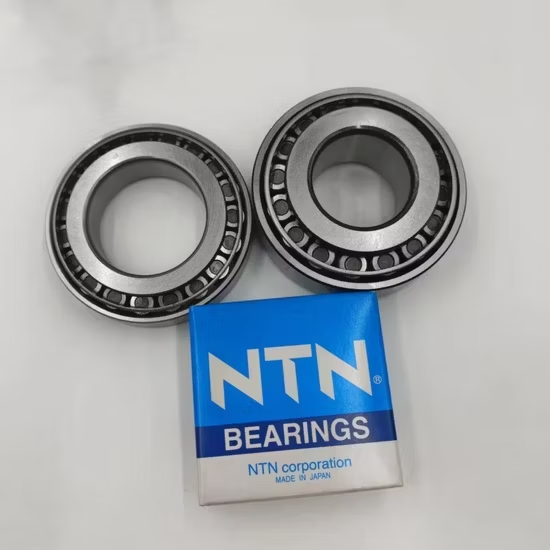
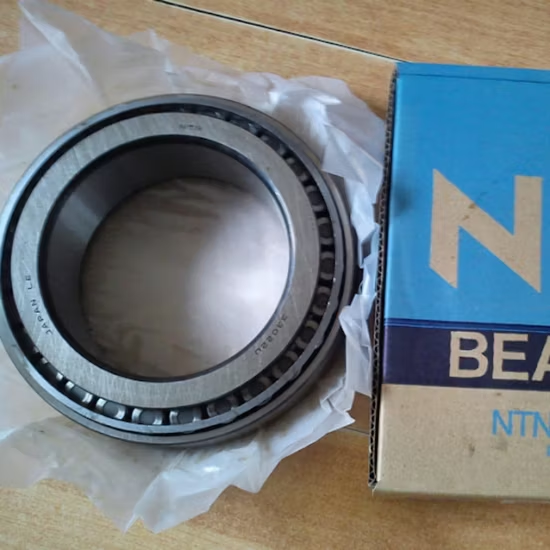
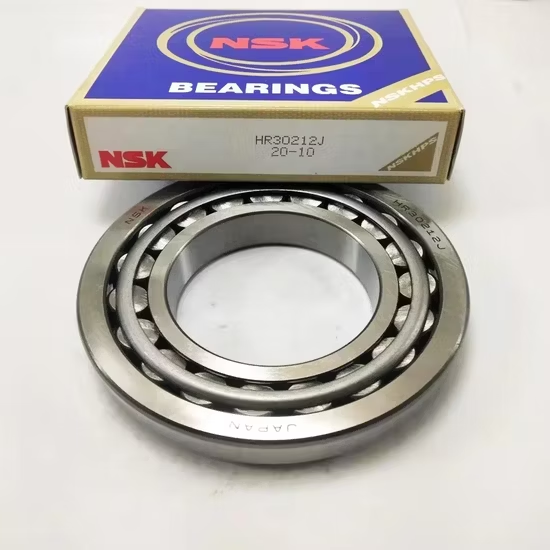
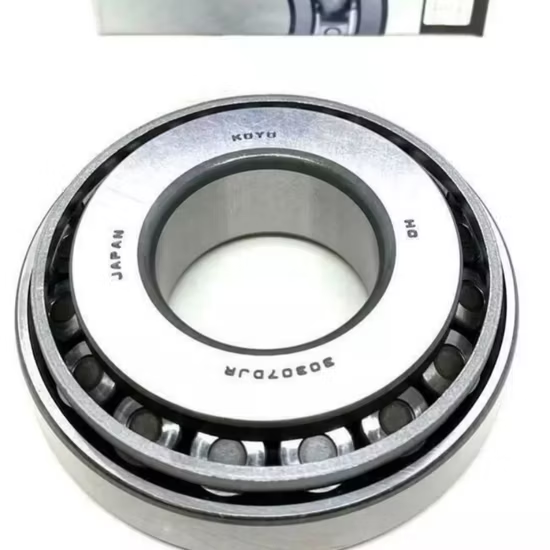
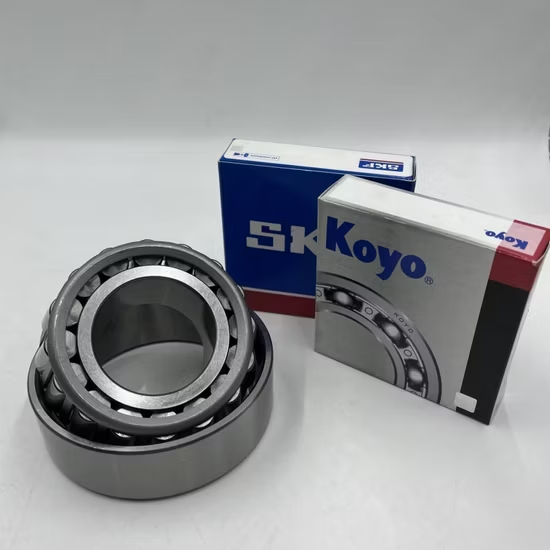
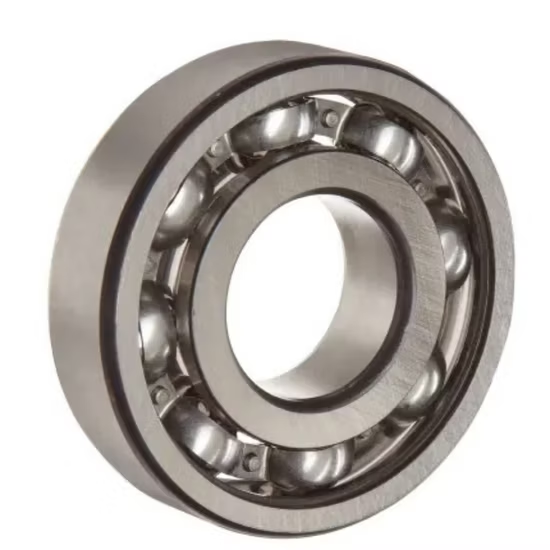
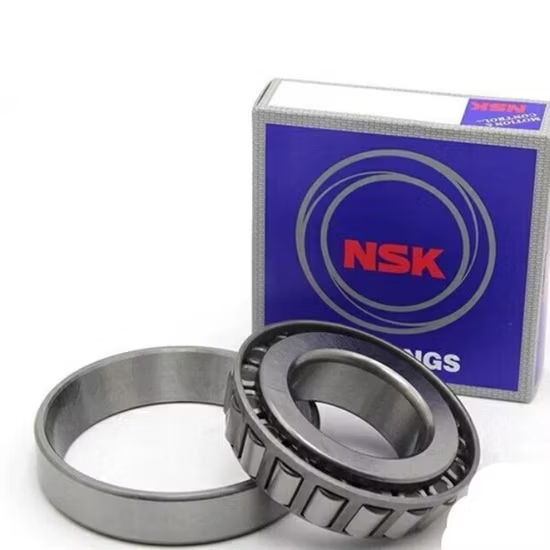
32216 32217 Tapered Roller Bearing
Three-Parameter Cross-Reference Alignment — Every replacement is verified against clearance, cage material, and precision class, not just the base number.
| Parameter | Value |
|---|---|
| Designation | 32216 32217 |
| Bearing Type | Tapered Roller Bearing |
| Number of Rows | Single Row |
| Precision Class | P4 |
| Cage Material Options | Nylon, Brass, or Iron |
| Material | GCr15 Bearing Steel |
| Origin | Germany, Japan, Sweden, Malaysia, or China |
| Industry | Typical Applications |
|---|---|
| Industrial Gearboxes | Heavy-duty reduction gear pinion and output shafts |
| Manufacturing Plants | Conveyor drive pulleys and material handling rollers |
| Automotive & Heavy Vehicles | Truck wheel hubs and drive axle differential assemblies |
| Building Material Shops | Crushers and vibrating screen eccentric shafts |
A matching part number does not guarantee survival in heavy machinery.
I have personally investigated equipment in Latin American mining sites where a standard replacement seized within days. The base number was correct, but the internal clearance was too tight for the high-temperature environment, causing thermal binding. Similarly, I have seen stamped steel cages shatter under the shock loads of a rock crusher, bringing the entire processing line to a halt . Procurement teams often focus solely on the 32216 32217 tapered roller bearing designation, overlooking the critical internal geometry and cage construction required for their specific operational realities.
Selecting the correct configuration requires looking past the basic designation. As an authorized multi-brand distributor, we review the specific load profiles, rotational speeds, and thermal environments of your gearboxes or wheel hubs. This ensures the supplied units possess the exact internal design and cage material necessary to withstand your site's unique mechanical stresses without premature degradation.
Heavy machinery operates under severe combined radial and axial loads, frequently accompanied by intense shock impacts. In high-temperature environments, inadequate internal clearance leads to thermal expansion that eliminates the operational gap, resulting in catastrophic seizure. Furthermore, contaminated environments demand robust cage designs that maintain roller alignment even when particulate matter breaches the housing, making the correct material selection vital for sustained reliability .
The P4 precision class provides significantly tighter dimensional and running accuracy compared to standard grades, which is essential for minimizing vibration in high-speed industrial gearboxes. The GCr15 bearing steel offers optimal hardness and wear resistance for heavy load-bearing applications. Depending on your operating parameters, the cage material can be specified: iron cages for maximum durability under severe shock loads, brass cages for high-speed stability and vibration resistance, or nylon cages for reduced friction and quieter operation in controlled environments.
Installing a component without verifying the internal clearance and cage type inevitably leads to unplanned downtime. A thermal binding event can destroy the shaft and housing, resulting in catastrophic damage that extends far beyond a simple swap. According to failure analysis frameworks, a significant share of premature failures stems directly from these specification mismatches rather than manufacturing defects, ultimately voiding equipment warranties and inflating maintenance budgets .
Our procurement process eliminates the risk of counterfeit components with soft inner rings. We provide comprehensive cross-referencing that aligns the clearance, cage, and precision class, ensuring the 32216 32217 tapered roller bearing you receive matches the OEM engineering intent. Every shipment is backed by batch traceability directly to the manufacturer's production facilities, giving maintenance teams absolute confidence in the metallurgical integrity of the installed parts.
To ensure optimal performance, please provide your specific operating parameters, including radial and axial loads, rotational speeds, and ambient temperatures. This data allows our engineering team to conduct a thorough L10 life calculation and verify the appropriate internal clearance. If replacing an existing unit, sharing the OEM equipment number enables a precise cross-reference check to confirm the exact cage and precision requirements.
Q: How do I verify the authenticity and batch traceability of the received bearings?
A: Each unit includes a Certificate of Conformity and batch traceability documentation. You can scan the provided QR codes using the official brand applications to instantly verify authenticity and trace the component back to the manufacturer's original production records, ensuring complete transparency.
Q: What cross-reference checks are performed beyond the base designation?
A: We verify three critical parameters: internal clearance, cage material, and precision class. Matching only the base number is insufficient; we ensure the internal geometry and components align perfectly with your specific thermal and load requirements to prevent field failures.
Q: How should I choose between nylon, brass, and iron cage materials?
A: Iron cages offer maximum durability for heavy shock loads, brass cages provide high-speed stability and vibration dampening, while nylon cages reduce friction and noise. The selection depends entirely on your specific operating temperatures, speeds, and load profiles.
Q: What is the practical difference between P4 and standard P0 precision?
A: P4 precision offers significantly tighter dimensional and running accuracy. This reduces vibration, minimizes heat generation, and extends operational life, making it essential for demanding applications like high-speed gearboxes where standard P0 tolerances would cause excessive wear.
Q: What mounting practices are recommended for these single row units?
A: We recommend induction heating for interference fits, strictly controlling the temperature to protect the cage material. Proper torque sequences must be followed during assembly to establish the correct operational clearance and prevent thermal binding during operation.
Our 5-step process ensures every order is engineered, validated, and supported for optimal performance.
Technical needs assessment
Custom specifications
Free samples for $50k+
Pre-shipment inspection
On-site & predictive
Our certified engineers respond within 24 hours with detailed technical specifications, pricing, and lead time information.