01
Consultation
Technical needs assessment

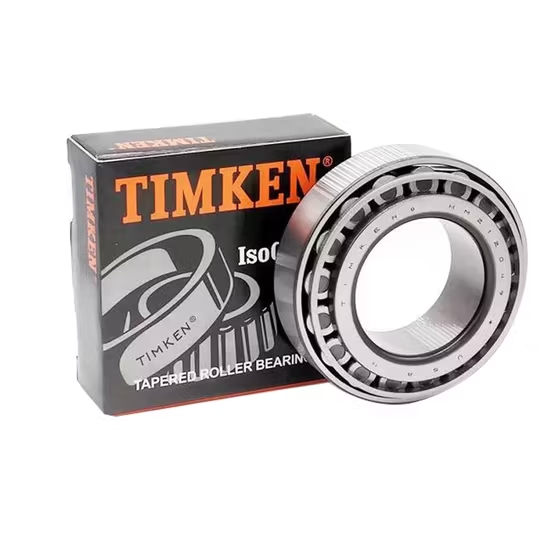
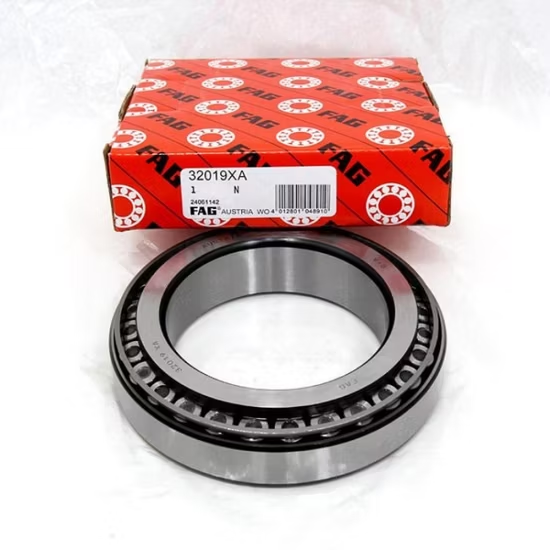
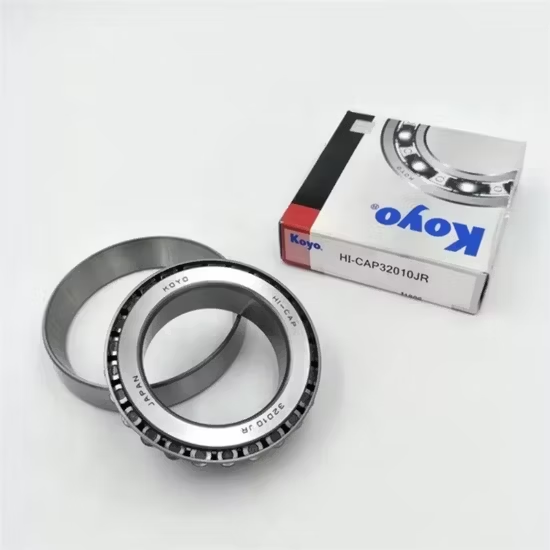
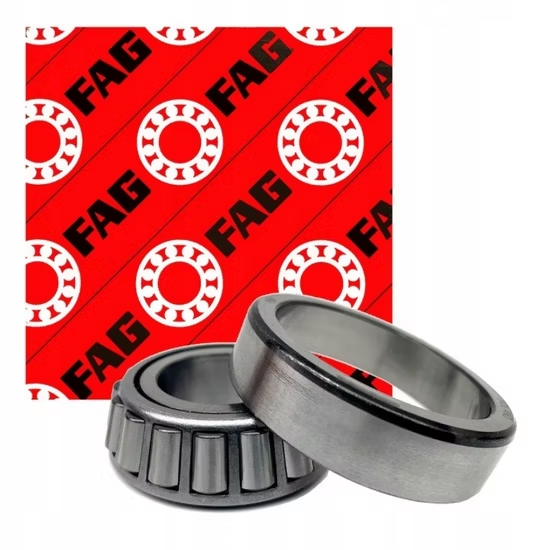
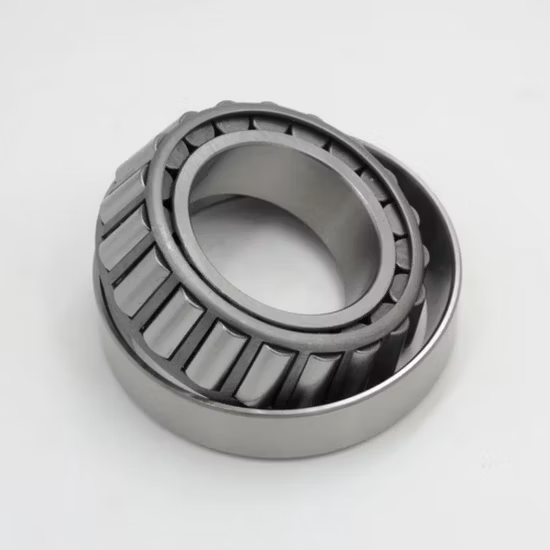
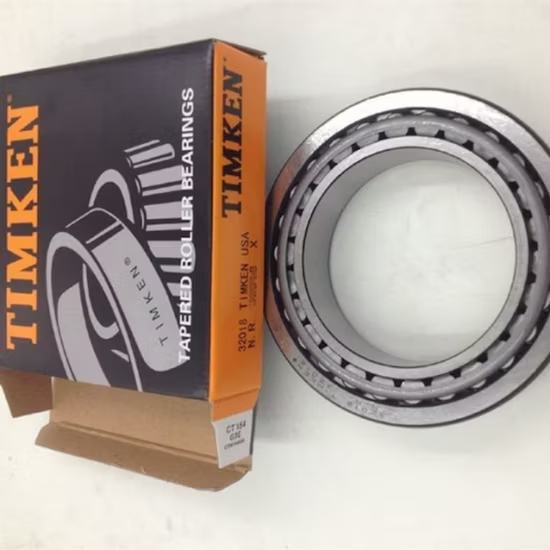
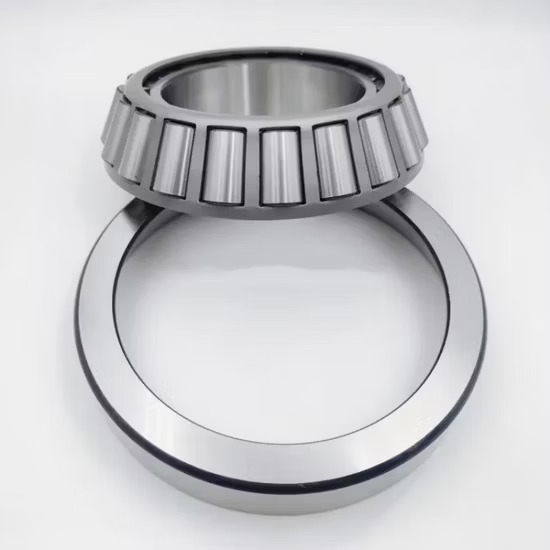
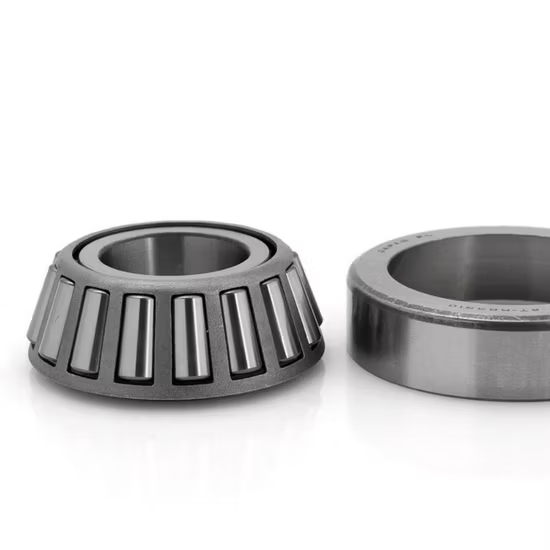
32007 32008 Tapered Roller Bearing P4 Precision — Single row configuration manufactured from GCr15 bearing steel to manage simultaneous radial and thrust loads. The P4 class ensures tighter dimensional and running accuracy for demanding applications.
Full Batch Traceability — Every 32007 and 32008 unit ships with manufacturer lot codes verifiable through official brand applications.
| Parameter | Value |
|---|---|
| Designation | 32007 32008 |
| Bearing Type | Single Row Tapered Roller Bearing |
| Precision Class | P4 |
| Cage Material | Nylon, Brass, or Iron options |
| Material | GCr15 bearing steel |
| Origin | Germany, Japan, Sweden, Malaysia, or China |
| Industry | Typical Applications |
|---|---|
| Automotive & Heavy Vehicles | Wheel hub assemblies and truck axle differentials |
| Industrial Power Transmission | Heavy-duty gearbox shaft supports and marine drives |
| General Manufacturing | Conveyor drive rollers and material handling gearmotors |
Matching the basic designation is never enough to prevent thermal binding in the field.
Procurement teams often source standard metric series units assuming the base number guarantees fit and function. Yet, a significant share of premature failures stems from overlooking internal design variations. When a standard clearance unit is forced into a high-temperature gearbox application without accounting for thermal expansion, the internal geometry locks up under load.
Selecting the correct 32007 32008 tapered roller bearing requires matching the cage material to the specific vibration and speed profile of the equipment. Nylon cages offer quiet operation and low friction for high-speed automotive hubs, while brass or iron variants provide the structural rigidity needed for the heavy shock loads typical in industrial gearboxes and truck axles.
Tapered roller bearings must handle combined radial and axial loads, generating substantial internal heat. Operating beyond the thermal limit of standard bearing steel without adequate clearance causes the rollers to skew and bind. Proper lubrication intervals and selecting the right clearance class ensure the rolling elements maintain a stable hydrodynamic film, preventing metal-to-metal contact during heavy-duty cycles.
Upgrading to P4 precision ensures tighter dimensional and running accuracy, which is critical for minimizing vibration in high-speed marine drives and precision gearmotors. The GCr15 high-carbon chromium steel provides excellent wear resistance for standard environments. For applications exposed to moisture or corrosive elements, alternative stainless steel variants are available to prevent raceway pitting and maintain structural integrity.
Ignoring suffix details leads to unplanned downtime and catastrophic damage to surrounding shafts and housings. A mismatched clearance class causes rapid temperature spikes, degrading the lubricant and destroying the bearing within hours. This cascading failure voids equipment warranties and forces expensive emergency repairs, far exceeding the initial savings of buying an incorrectly specified part.
We eliminate cross-reference errors by verifying clearance, cage material, and precision suffixes, not just the base designation. Our inventory prevents the installation of standard clearance units in high-heat zones by enforcing strict application-based selection reviews. Every shipment includes batch traceability to the manufacturer, ensuring you receive genuine components with verified metallurgical properties. We provide full technical support for unusual load and temperature conditions, ensuring the selected unit survives the actual operating environment.
Share your specific radial and axial load profiles, operating speeds, and ambient temperature ranges so our engineering team can validate the L10 life and recommend the optimal clearance class. Providing the exact OEM equipment number allows us to perform a comprehensive cross-reference check, ensuring the cage material and precision suffixes perfectly match your original design requirements.
Q: Why must cross-referencing align clearance and cage material, not just the base number?
A: Base numbers only define outer dimensions. Internal clearance dictates thermal expansion limits, and cage material determines shock load capacity. Mismatches cause rapid overheating or cage fracture under real-world operating conditions, leading to sudden equipment failure.
Q: How do I choose between nylon, brass, and iron cages?
A: Nylon suits high-speed, low-vibration applications like automotive hubs. Brass and iron cages offer superior durability for heavy shock loads and high temperatures found in industrial gearboxes and truck axles, ensuring structural stability under extreme stress.
Q: What are the authenticity verification steps using official QR codes?
A: Scan the QR code on the packaging using the manufacturer's official mobile application. This instantly verifies the batch number, production date, and origin, protecting your operation from counterfeit bearings with soft inner rings that cause premature wear.
Q: How does P4 precision differ from standard grades in these applications?
A: P4 precision guarantees significantly tighter dimensional and running accuracy. This reduces operational vibration and heat generation, extending service life in high-speed gearboxes and marine drives where standard precision would cause excessive noise and rapid degradation.
Our 5-step process ensures every order is engineered, validated, and supported for optimal performance.
Technical needs assessment
Custom specifications
Free samples for $50k+
Pre-shipment inspection
On-site & predictive
Our certified engineers respond within 24 hours with detailed technical specifications, pricing, and lead time information.