01
Consultation
Technical needs assessment


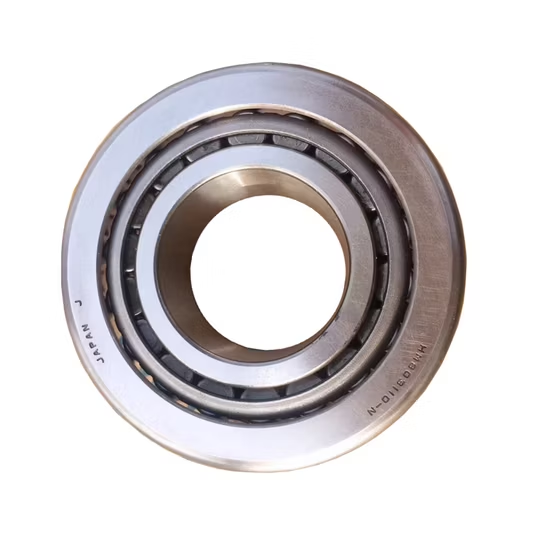
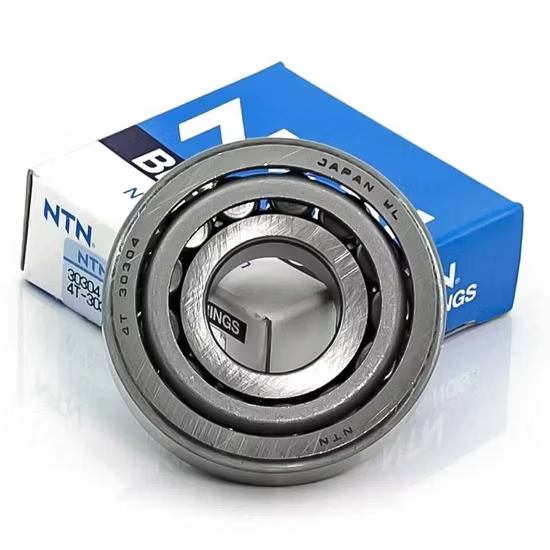
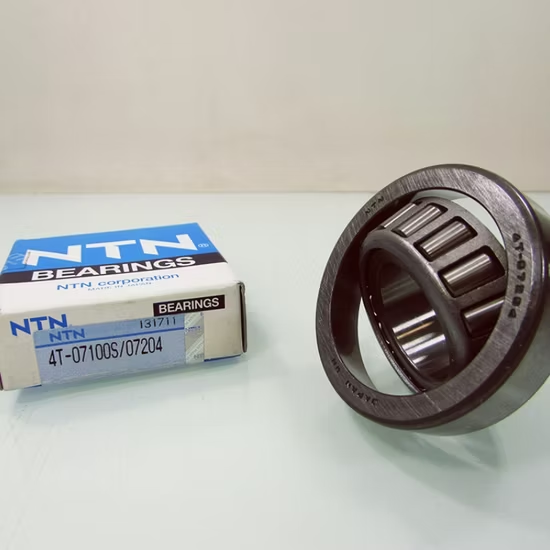
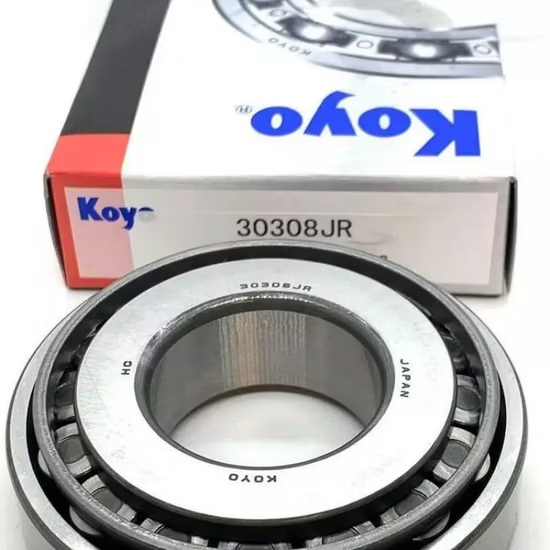
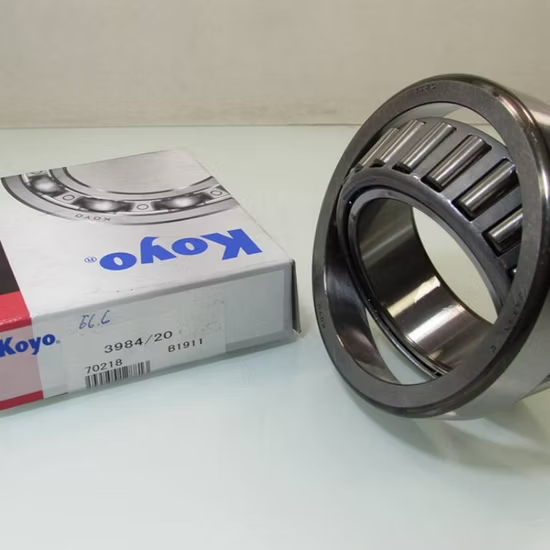
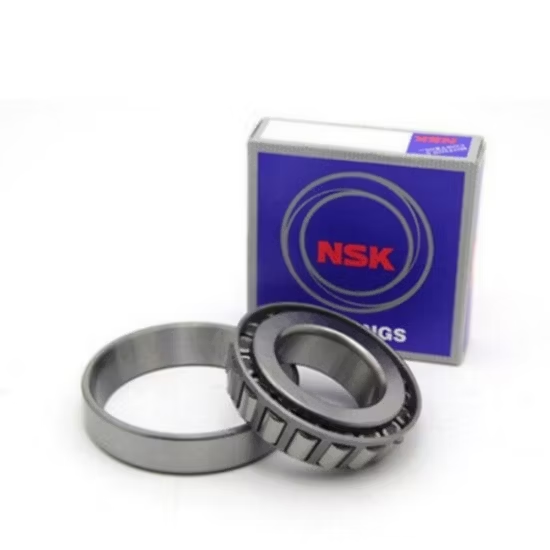
31304 31305 Single Row Tapered Roller Bearing P4 — GCr15 steel construction provides optimal hardness for combined radial and axial loads.
Full Brand Authorized Coverage — sourcing 31304 31305 single row tapered roller bearing P4 precision from mixed OEM origins in one consolidated shipment eliminates multi-vendor coordination delays.
| Parameter | Value |
|---|---|
| Designation | 31304 31305 |
| Bearing Type | Single Row Tapered Roller Bearing |
| Precision Class | P4 |
| Material | GCr15 Bearing Steel |
| Cage Material Options | Nylon, Brass, or Iron |
| Clearance Class | CN (Normal) |
| Bore Type | Cylindrical |
| Origin Options | Germany, Japan, Sweden, Malaysia, or China |
| Industry | Typical Applications |
|---|---|
| Automotive & Heavy Vehicles | Wheel hub assemblies, truck axle pinion shafts |
| Industrial Power Transmission | Heavy-duty gearbox intermediate shafts, reducer output stages |
| Building Material Machinery | Conveyor drive rollers, crusher vibratory screen eccentrics |
Matching the basic designation is never enough; overlooked internal geometry or incorrect cage materials cause rapid thermal binding under heavy combined loads. When procuring a 31304 31305 single row tapered roller bearing P4 precision, buyers often assume standard replacements will survive the same harsh environments as the original equipment.
In reality, a significant share of premature failures stems from ignoring how internal clearance and cage design interact with operational heat . I have seen standard clearance bearings seize completely in high-temperature mining gearboxes because the thermal expansion of the shaft eliminated the internal operating clearance. Relying solely on the base number without verifying the exact precision class and cage material leads to unplanned downtime and catastrophic damage to surrounding housings.
Supplying the correct 31304 31305 single row tapered roller bearing P4 precision requires looking past the catalog number to evaluate the actual mounting arrangement and load vectors. Our technical team reviews the specific application parameters to ensure the selected cage material and precision grade align with the equipment's operational profile. This application-based selection review prevents the common mismatch where a standard component is forced into a high-speed or high-temperature environment it was never designed to handle.
Tapered roller configurations must manage intense combined radial and axial loads while dissipating friction heat generated at the roller-rib contact points. In heavy gearboxes or truck axles, localized temperature spikes can drastically reduce lubricant viscosity and alter the internal clearance. If the operating temperature exceeds the thermal limit of standard bearing steel or the selected cage polymer, the components will experience accelerated wear and eventual cage fracture . Proper lubrication intervals and selecting the right cage material are critical to surviving these extreme mechanical and thermal stresses.
The P4 precision rating guarantees tighter dimensional and running accuracy than standard P0 grades, which is essential for minimizing vibration and ensuring smooth rotation in high-speed gear shafts. The CN designation indicates normal internal clearance, meaning this 31304 31305 single row tapered roller bearing P4 precision is engineered for standard operating temperatures and typical shaft fits. The available cage options—nylon for lower friction and noise, brass for high-load stability, and iron for cost-effective durability—allow maintenance teams to match the internal assembly to their specific speed and temperature constraints without compromising the fundamental load-carrying geometry.
Installing a bearing with incorrect internal clearance or an unsuitable cage material inevitably leads to premature failure and voided equipment warranties. According to failure analysis frameworks like ISO 15243, thermal seizure and cage fatigue are direct consequences of ignoring application-specific operating conditions . These failures rarely occur in isolation; they typically result in catastrophic damage to the shaft, housing, and adjacent gears, transforming a simple component replacement into a multi-week rebuild project with massive production losses.
We maintain authorized distribution channels across all major international brands, ensuring that every mixed-brand order for these tapered models is sourced from verified manufacturer production facilities. Our cross-reference matching process strictly aligns the precision class and cage material, not just the base designation, preventing the dangerous assumption that all identical numbers perform equally. We provide full batch traceability and QR verification through official brand apps, effectively eliminating the risk of counterfeits with soft inner rings. Furthermore, our technical team conducts an application-based selection review to confirm that the normal clearance and P4 tolerances genuinely suit your specific load and speed parameters before the order is finalized.
To ensure the selected configuration perfectly matches your machinery, please provide the exact radial and axial load profiles, operating speeds, and steady-state temperatures. Sharing the OEM equipment number or the dimensions of the existing housing allows our engineering team to perform a precise cross-reference and L10 life calculation. This technical validation guarantees that the internal geometry and cage material will withstand your specific operational demands without risking thermal binding.
Q: How do I verify the authenticity of these tapered roller bearings upon delivery?
A: Every shipment includes batch traceability documentation and unique QR codes on the packaging. You can scan these codes using the official mobile applications provided by the respective bearing manufacturers. This direct digital verification confirms the production facility, manufacturing date, and exact specifications, completely eliminating the risk of receiving counterfeit products with compromised metallurgy.
Q: Why is matching the cage material critical during cross-referencing?
A: The base designation only defines the outer dimensions and load capacity, ignoring the internal assembly. A brass cage handles heavy loads and high temperatures far better than a nylon cage, which might melt or deform under similar stress. If the cross-reference only matches the base number but ignores the cage material, the replacement will likely suffer premature cage fracture in demanding industrial gearboxes.
Q: How do ISO and ABEC standards relate to the P4 precision class?
A: The P4 precision class is the ISO designation for high-precision bearings, which corresponds directly to the ABEC 7 class in the ANSI/ABMA standard. Both classifications dictate extremely tight tolerances for dimensional accuracy and running precision. Achieving this grade ensures minimal vibration and accurate shaft rotation, which is vital for high-speed applications where standard P0 or ABEC 1 bearings would generate excessive heat.
Q: What operating conditions dictate the choice between nylon, brass, and iron cages?
A: Nylon cages offer low friction and quiet operation but are limited by lower maximum operating temperatures. Brass cages provide superior strength and stability under heavy loads, high vibrations, and elevated temperatures. Iron cages offer a durable, cost-effective solution for standard industrial applications. The final selection depends entirely on the specific speed, load, and thermal environment of your equipment.
Q: What mounting practices are recommended to protect the P4 precision raceways?
A: Always use controlled induction heating for mounting the inner ring onto a shaft, avoiding open flames or uneven localized heating that can distort the P4 precision geometry. Never apply mounting force through the rollers or the outer cup, as this will permanently brinell the raceways. Ensure the shaft and housing seats are perfectly clean and machined to the correct tolerances to maintain the designed internal clearance.
Our 5-step process ensures every order is engineered, validated, and supported for optimal performance.
Technical needs assessment
Custom specifications
Free samples for $50k+
Pre-shipment inspection
On-site & predictive
Our certified engineers respond within 24 hours with detailed technical specifications, pricing, and lead time information.