01
Consultation
Technical needs assessment

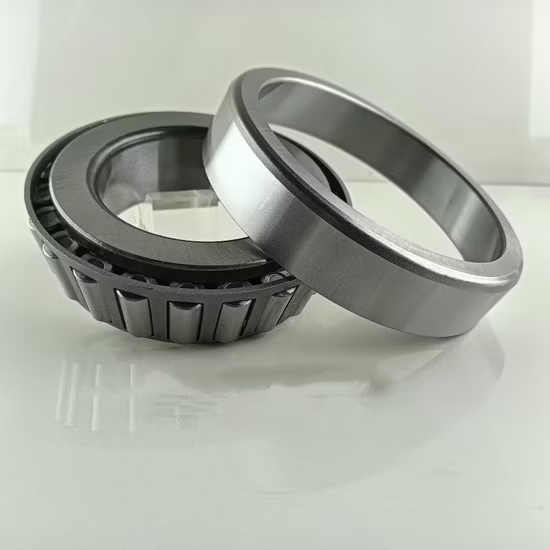


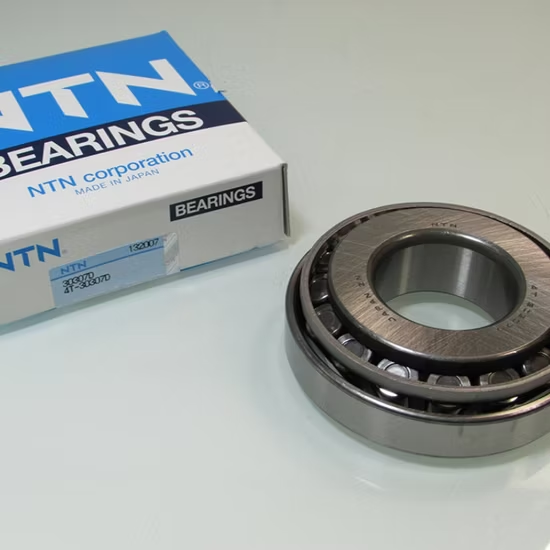
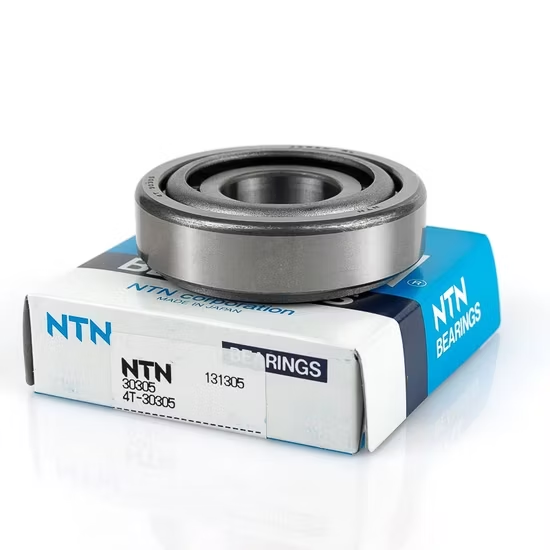
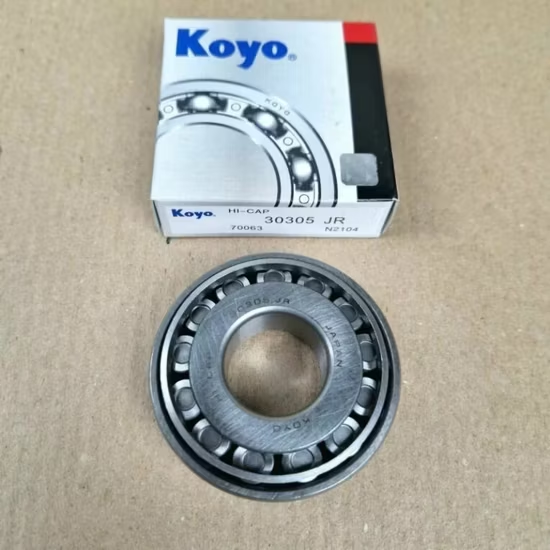
30216 Single Row Tapered Roller Bearing P4 — GCr15 bearing steel construction handles heavy combined radial and axial loads in automotive machinery.
Full Batch Traceability — Every 30216 unit ships with manufacturer lot documentation and QR verification for absolute authenticity.
| Parameter | Value |
|---|---|
| Designation | 30216 |
| Bearing Type | Single Row Tapered Roller Bearing |
| Precision Class | P4 |
| Material | GCr15 Bearing Steel |
| Cage Material Options | Nylon, Brass, or Iron |
| Structure | Single Row Taper |
| Origin Options | Germany, Japan, Sweden, Malaysia, or China |
| HS Code | 8482500090 |
| Industry | Typical Applications |
|---|---|
| Automotive Machinery | Transmission shafts, differential assemblies, and automotive wheel hubs |
| Industrial Gearboxes | Heavy-duty reduction gear pinion shafts and output bearings |
| Manufacturing Plants | Conveyor drive pulleys and automated material handling rollers |
Matching the basic designation is never enough to prevent catastrophic field failures.
I transitioned into trading after working in automotive procurement in Shenzhen, where I witnessed a batch of 30216 bearings destroy a transmission. The base numbers matched perfectly, but the supplier ignored the internal design differences. The incorrect cage material shattered under high rotational speeds, turning a routine maintenance swap into a complete gearbox rebuild. This is a recurring nightmare for maintenance teams: procurement secures the right number, but overlooked precision classes or cage variations cause thermal binding or sudden structural collapse . Sourcing a 30216 tapered roller bearing P4 precision requires looking far beyond the stamped digits on the outer ring.
Selecting the correct internal configuration ensures the 30216 tapered roller bearing P4 precision survives the harsh realities of automotive and industrial drivetrains. Our engineering review process cross-references your specific operating parameters against the manufacturer’s internal design codes. We verify that the selected cage material and precision grade align perfectly with your equipment's thermal and mechanical limits, preventing the silent mismatches that cause premature downtime.
Automotive wheel hubs and industrial gearboxes subject components to intense combined radial and axial loads alongside significant temperature fluctuations. At elevated operating temperatures, thermal expansion alters internal clearances, making the initial precision grade and cage material critical for survival. High-speed gearbox applications demand cages that maintain structural integrity and precise roller guidance without generating excess friction heat . Proper lubrication protocols and sealing arrangements must also be matched to the specific contamination risks of the installation environment.
The 30216 designation identifies a standard single row tapered roller bearing, but the P4 precision class elevates its performance significantly over standard P0 grades. P4 tolerances guarantee much tighter dimensional and running accuracy, which is mandatory for minimizing vibration and noise in high-speed automotive transmissions. The GCr15 bearing steel construction provides the necessary core hardness and wear resistance to handle heavy shock loads. Furthermore, the cage material must be chosen carefully: brass cages offer superior durability under heavy loads and high vibration, while nylon cages reduce weight and friction for high-speed, well-lubricated environments. Iron pressed steel cages serve as a cost-effective alternative for standard industrial speeds.
Ignoring internal design parameters inevitably leads to unplanned downtime and catastrophic damage to surrounding machinery. When a bearing fails prematurely due to a mismatched cage or incorrect precision class, the resulting metal debris often destroys entire gear sets or axle assemblies. According to failure analysis frameworks, a significant share of premature failures stems directly from application mismatch rather than manufacturing defects . This turns a minor component replacement into a massive warranty voidance and extended production halt.
Procuring through authorized channels guarantees that every component meets strict metallurgical standards. We provide comprehensive cross-reference matching that verifies not just the base number, but the exact precision class and internal cage design required for your specific application. Our batch traceability protocols ensure full transparency from the manufacturer's production facilities to your dock. We also conduct rigorous application-based selection reviews to confirm the load, speed, and temperature compatibility before any order is finalized.
To ensure optimal performance and longevity, please provide detailed operational parameters including radial and axial loads, operating speeds, and expected temperature ranges. Sharing the specific OEM equipment numbers allows our technical team to perform a comprehensive cross-reference review and L10 life calculation. This data enables us to recommend the exact cage material and precision configuration required for your application.
Q: How do I verify the authenticity of the received bearings?
A: Every unit includes manufacturer lot documentation and a unique QR code. You can scan this code using the official brand application to instantly verify the origin, production date, and authenticity of the batch, ensuring you receive genuine components rather than visually identical counterfeits with soft inner rings.
Q: Why is cross-referencing more than just the base number important?
A: Matching only the base number often overlooks critical internal differences like cage material and precision class. Installing a standard cage in a high-speed application can lead to rapid structural failure. We verify all internal design parameters to ensure the component perfectly matches your specific operational demands.
Q: What are the practical differences between P4 and P0 precision?
A: P4 precision offers significantly tighter dimensional and running accuracy compared to standard P0 grades. This enhanced accuracy minimizes vibration, reduces operational noise, and ensures stable performance in high-speed automotive and industrial machinery where tight tolerances are absolutely critical for system longevity.
Q: How should I choose the right cage material for my application?
A: The choice depends on your specific operating conditions. Brass cages provide excellent durability under heavy loads and high vibration, while nylon cages reduce friction and weight for high-speed applications. Iron pressed cages are suitable for standard industrial speeds. We evaluate your load and speed profiles to recommend the optimal material.
Q: What mounting practices are recommended for these tapered roller bearings?
A: We recommend using induction heaters for precise, even thermal expansion during installation, avoiding localized overheating that can compromise the P4 precision raceways. Proper mounting tools and strict adherence to axial clearance adjustment protocols are essential to prevent premature binding or excessive play in the single row taper structure.
Our 5-step process ensures every order is engineered, validated, and supported for optimal performance.
Technical needs assessment
Custom specifications
Free samples for $50k+
Pre-shipment inspection
On-site & predictive
Our certified engineers respond within 24 hours with detailed technical specifications, pricing, and lead time information.