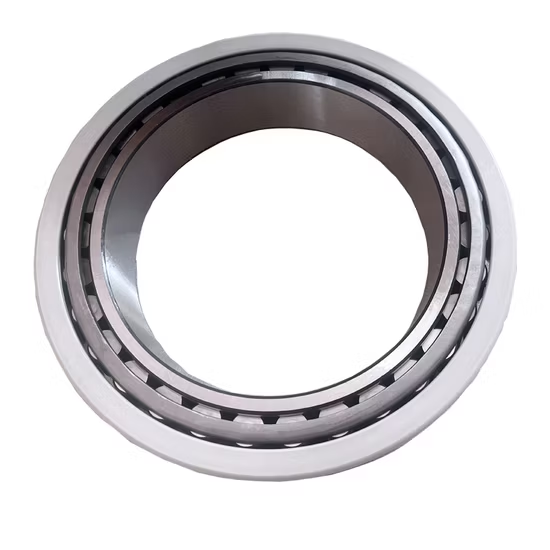
01
Consultation
Technical needs assessment

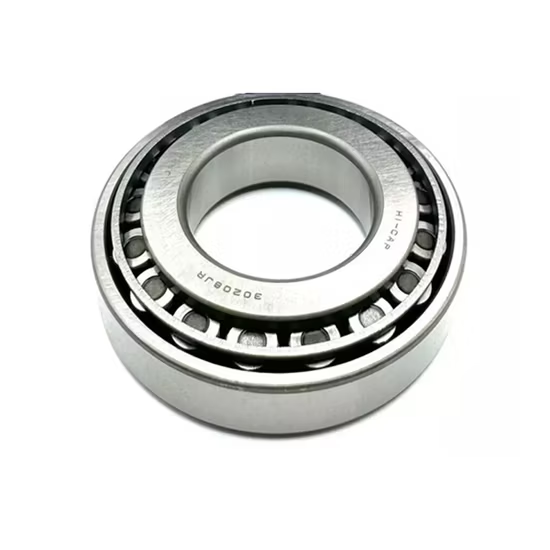
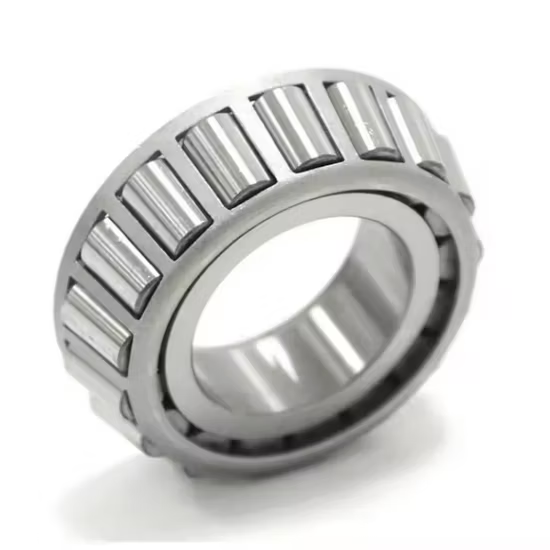

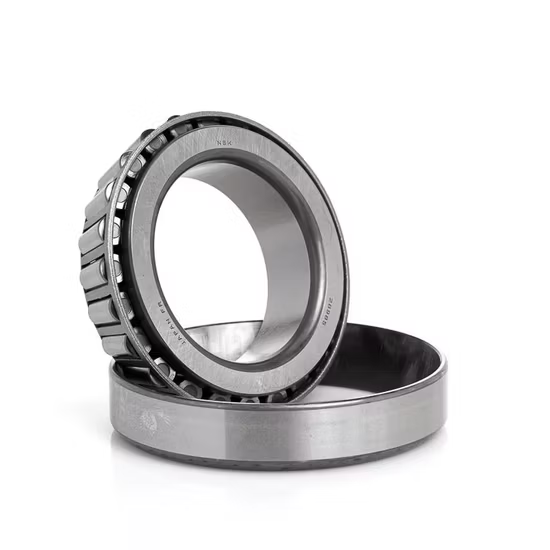
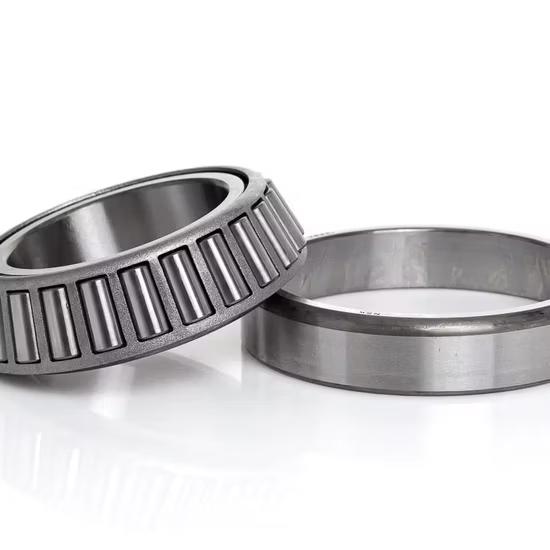
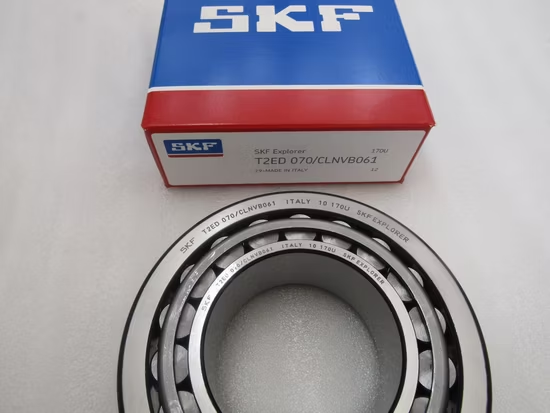
28KW01AG5 Single Row Tapered Roller Bearing P4 Precision — designed to handle heavy combined radial and axial loads in industrial gearboxes and manufacturing plants.
Traceable manufacturing batches — Every 28KW01AG5 single row tapered roller bearing ships with lot-specific origin documentation linking directly to the production facility.
| Parameter | Value |
|---|---|
| Designation | 28KW01AG5 |
| Bearing Type | Single Row Tapered Roller Bearing |
| Bore Type | Inch |
| Number of Rows | Single Row |
| Precision Class | P4 |
| Material | GCr15 bearing steel |
| Cage Material | Available in nylon, brass, or iron variants |
| Origin | Germany / Japan / Sweden / Malaysia / China |
| Industry | Typical Applications |
|---|---|
| Building Materials | Heavy-duty crushing equipment main shafts |
| Manufacturing | Industrial gearbox pinion and output supports |
| General Machinery | Material handling conveyor drive rollers |
Base numbers match, but internal geometry dictates operational survival.
Swapping a standard clearance unit into a high-heat environment is a recipe for catastrophic seizure. Early in my career on Latin American mining sites, I watched a primary crusher grind to a halt because a standard clearance tapered roller bearing was installed where a C3 clearance was strictly required; the thermal expansion under heavy load caused immediate binding . When sourcing a 28KW01AG5 single row tapered roller bearing, matching the base inch-series dimensions is merely the first step. The internal design variants, precision tolerances, and specific cage configurations must align perfectly with the equipment's actual thermal and mechanical profile to prevent premature downtime.
Heavy machinery relies on tapered geometries to manage the simultaneous radial and axial thrust generated during operation. Selecting the correct 28KW01AG5 single row tapered roller bearing requires looking beyond basic load ratings to evaluate how the specific contact angle handles the axial component of your application. Our engineering team reviews your exact load vectors to ensure the internal geometry matches the OEM requirements, preventing edge-loading and accelerated raceway wear.
Crushing and material handling environments subject components to severe shock loads and fluctuating operational temperatures. These thermal cycles demand precise internal clearance management, as inadequate expansion room leads to preload spikes and cage destruction . Proper lubrication selection is equally critical; heavy axial thrust requires oil or grease formulations that maintain film strength under extreme pressure, while effective sealing prevents abrasive dust from contaminating the rolling elements and degrading the raceway surface finish.
Achieving P4 precision in an inch-series tapered design ensures exceptionally tight control over dimensional and running accuracy, which minimizes vibration and heat generation at higher rotational speeds. The GCr15 bearing steel provides the necessary hardenability and wear resistance for demanding industrial environments. Depending on your specific speed and temperature constraints, the bearing can be configured with a nylon cage for reduced friction and noise, a machined brass cage for high-speed stability and heavy shock resistance, or a stamped iron cage for general-purpose durability. Please note that the specific suffixes 28KW01 and AG5 are unverified standard designations; we strongly recommend confirming the exact internal geometry and clearance class against the manufacturer's current catalog before finalizing your order.
Relying solely on basic dimensional interchange tables often ignores critical internal design variations. Installing a unit with the wrong contact angle or inadequate precision class leads to uneven load distribution across the rollers . This localized stress accelerates surface spalling and ultimately results in unplanned downtime, catastrophic shaft damage, and voided equipment warranties. True interchangeability requires a comprehensive review of the base number, internal design variants, and precision suffixes to guarantee field reliability.
We maintain authorized distribution channels across all major international brands, allowing you to consolidate mixed-brand requirements into a single, traceable shipment. Our cross-reference process verifies clearance, cage material, and precision suffixes—not just the base designation—to prevent the thermal binding issues that plague generic replacements. Every batch undergoes strict documentation verification, ensuring you receive genuine products with full traceability. If your application involves unusual load profiles or extreme temperatures, our technical team provides application-based selection reviews to validate the design before it ships.
To ensure the selected unit perfectly matches your operational demands, please share your specific radial and axial load calculations, operating speeds, and expected temperature ranges. Providing the original OEM equipment number allows our engineering team to perform a comprehensive cross-reference check, verifying that the internal geometry and precision suffixes align with your machinery's exact requirements. This technical review guarantees you receive a component engineered for your specific application, eliminating guesswork and ensuring long-term reliability.
Q: What specific suffixes must be verified when cross-referencing this tapered roller bearing?
A: Beyond the base inch-series dimensions, you must verify the internal design variant, precision class, and cage material suffixes. A mismatch in these parameters can lead to thermal binding or cage failure under heavy loads. We cross-reference all three elements to ensure the replacement perfectly matches the original equipment manufacturer's specifications and your actual operating conditions.
Q: How does P4 precision benefit industrial gearbox applications compared to standard grades?
A: P4 precision provides significantly tighter control over dimensional and running accuracy. In industrial gearboxes, this reduces vibration, minimizes heat generation, and ensures even load distribution across the rolling elements. This enhanced stability is critical for maintaining gear mesh alignment and extending the operational lifespan of both the bearing and the surrounding transmission components.
Q: How do I choose between nylon, brass, and iron cages for my application?
A: The choice depends on your specific operational environment. Nylon cages offer low friction and quiet operation for moderate speeds. Brass cages provide exceptional durability and stability under high speeds, heavy shock loads, and elevated temperatures. Iron cages are cost-effective for general-purpose applications with standard load and speed profiles. We review your exact parameters to recommend the optimal configuration.
Q: What is the correct procedure for adjusting axial clearance during installation?
A: Axial clearance must be adjusted by tightening the shaft nut or housing cover while rotating the assembly to seat the rollers. You must account for the thermal expansion expected during operation; setting the clearance too tight will cause binding as the shaft heats up, while excessive clearance leads to vibration and gear misalignment. Always follow the OEM's specified end-play tolerances.
Q: How can I verify the authenticity and origin of the received components?
A: Every unit ships with a Certificate of Conformity and batch traceability documents. You can verify authenticity by scanning the provided QR codes using the manufacturer's official mobile application. We also supply material test reports and dimensional inspection records, ensuring complete transparency regarding the origin and quality of the steel and manufacturing tolerances.
Our 5-step process ensures every order is engineered, validated, and supported for optimal performance.
Technical needs assessment
Custom specifications
Free samples for $50k+
Pre-shipment inspection
On-site & predictive
Our certified engineers respond within 24 hours with detailed technical specifications, pricing, and lead time information.