01
Consultation
Technical needs assessment

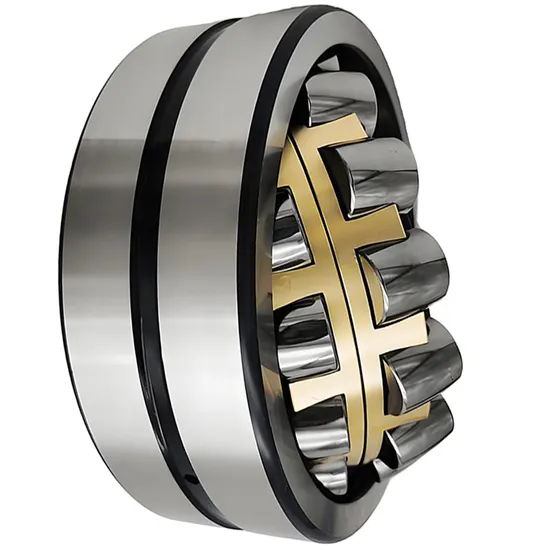
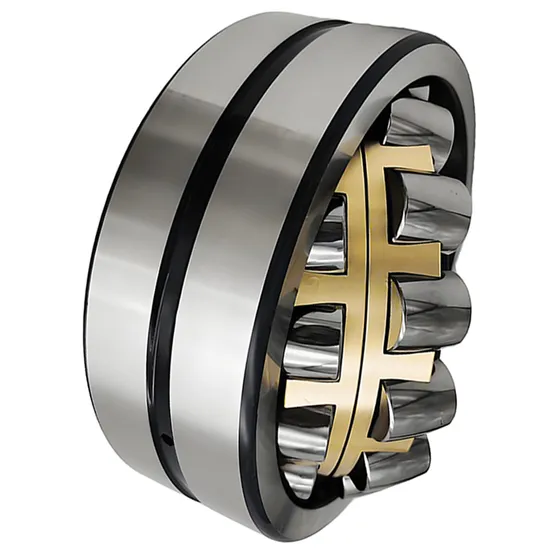
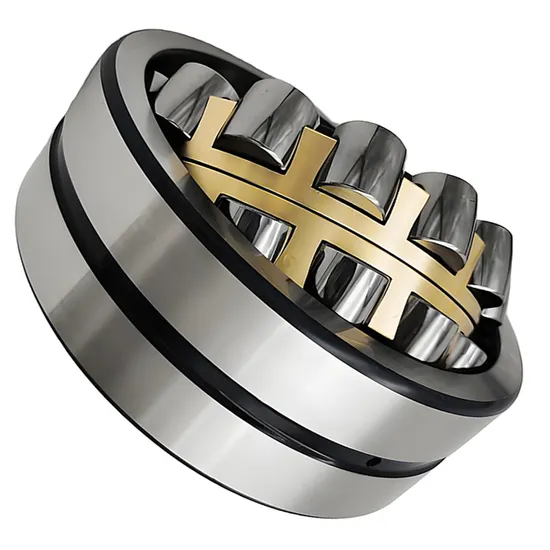
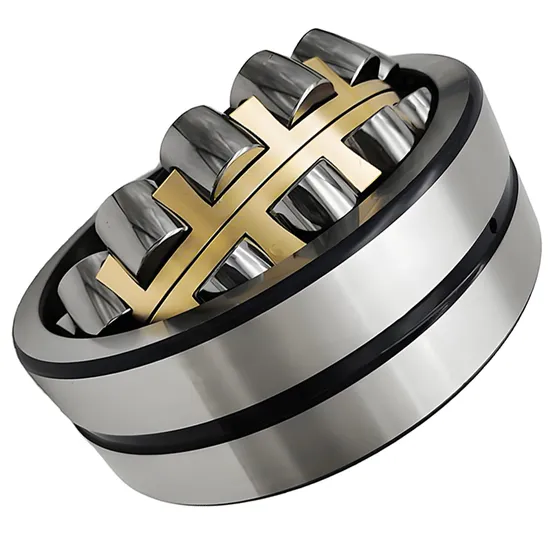
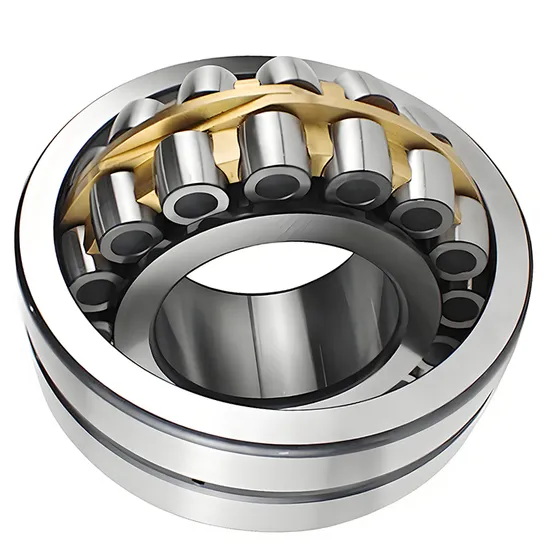
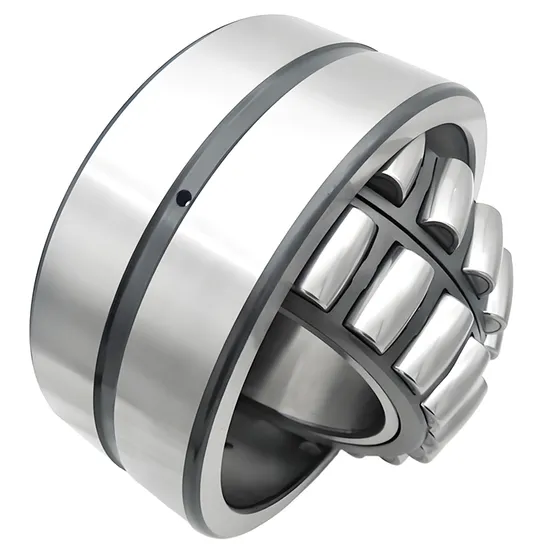
22328 Cc/W33 MB Ma Spherical Roller Bearing 140×300×102 mm featuring W33 outer ring lubrication grooves for consistent oil distribution.
Multi-brand authorized sourcing — Consolidate mixed-brand requirements for this 140x300x102mm designation into a single traceable shipment without juggling multiple vendors.
| Parameter | Value |
|---|---|
| Designation | 22328 Cc/W33 MB Ma |
| Bearing Type | Spherical Roller Bearing |
| Bore Diameter (d) | 140 mm |
| Outside Diameter (D) | 300 mm |
| Width (B) | 102 mm |
| Cage Material | Window-type pressed steel (Cc) or Machined brass (MB) |
| Lubrication Feature | Annular groove and three lubrication holes in outer ring (W33) |
| Cross Reference | 3628 |
Note: The "Ma" suffix is unverified and requires manufacturer catalog confirmation prior to final ordering.
| Industry | Typical Applications |
|---|---|
| Mining and Crushing | Vibrating screen exciter mechanisms, jaw crusher eccentric shafts |
| Steel and Metallurgy | Continuous casting machine roll guides, heavy-duty gearbox output shafts |
| Pulp and Paper | Paper machine dryer section felt rolls, press section suction rolls |
Matching the base number while ignoring internal cage design and clearance suffixes guarantees thermal binding under heavy loads.
I have seen too many 22328 Cc/W33 MB Ma spherical roller bearing units seize on Latin American mine sites because procurement matched the 140x300x102mm dimensions but overlooked the thermal expansion requirements. When a standard clearance unit is forced into an application demanding C3 or C4, the internal heat generated by heavy radial loads eliminates the operational gap. The result is catastrophic cage failure and unplanned downtime that halts an entire crushing circuit . True interchangeability demands verifying the exact cage material and internal geometry, not just the outer envelope dimensions.
Selecting the correct internal configuration for the 22328 Cc/W33 MB Ma spherical roller bearing ensures the equipment survives extreme shock loads. Our engineering team reviews your specific vibration frequencies and axial thrust components to recommend whether the pressed steel or machined brass cage option provides the necessary fatigue resistance. This application-based selection review prevents the premature structural breakdown commonly seen in poorly specified replacements.
Equipment in mining and steel mills subjects components to severe shock loading and intense structural vibration. These dynamic forces demand a cage design that resists centrifugal fracturing while maintaining precise roller guidance. Furthermore, the ingress of abrasive particulate matter rapidly degrades lubricant films, making the outer ring groove and hole configuration critical for effective grease purging. Elevated ambient temperatures near processing zones also dictate the necessary internal clearance class to compensate for thermal shaft expansion .
The Cc designation indicates a window-type pressed steel cage that is roller-guided, offering a lightweight profile suitable for high-speed, moderate-vibration applications. Conversely, the MB suffix denotes a machined brass cage guided by the inner ring, which provides superior structural integrity and resistance to the severe shock loads typical in jaw crushers. The W33 feature integrates an annular lubrication groove and three distribution holes in the outer ring, ensuring fresh grease reaches the rolling elements even when the bearing is subjected to heavy moment loads. Selecting between these cage variants depends entirely on whether the primary operational stress is rotational speed or impact shock.
Installing a unit with mismatched internal geometry leads to accelerated fatigue and eventual structural collapse. When the clearance class fails to accommodate operational heat, the rollers skid rather than roll, generating excessive friction that destroys the raceway surfaces. This type of premature failure voids equipment warranties and triggers cascading damage to adjacent shafts and housings. Aligning with ISO 281 life calculation standards requires precise knowledge of the internal load distribution, which is entirely dictated by these critical suffix designations .
We maintain authorized distribution channels across all major international brands, allowing you to source exact equivalents without compromising on traceability. Our cross-reference process strictly aligns the cage material, clearance class, and precision suffixes, preventing the dangerous mismatches that occur when buyers rely solely on basic dimensional data. Every shipment includes comprehensive batch documentation, ensuring the metallurgical integrity of the components can be verified back to the manufacturer's production facilities. This rigorous validation process eliminates the risk of installing counterfeit units with soft inner rings that fail under minimal operational stress.
To ensure the selected configuration perfectly matches your operational reality, please provide the specific radial and axial load profiles, rotational speeds, and steady-state operating temperatures. Sharing the original OEM equipment number allows our technical team to perform a comprehensive cross-reference check, verifying that the internal geometry aligns with the manufacturer's original design intent. This data enables us to conduct a precise L10 life calculation and recommend the optimal re-lubrication intervals for your specific environmental conditions.
Q: Why must clearance and cage suffixes be matched during cross-referencing?
A: Matching only the base 140x300x102mm dimensions ignores critical internal geometry. A standard clearance unit will thermally bind in high-heat applications, while a pressed steel cage may fracture under the severe shock loads that require a machined brass alternative. Full suffix alignment ensures the replacement survives the actual operational stresses.
Q: How do the Cc and MB cage options differ in vibrating screen applications?
A: The Cc pressed steel cage is lighter and performs well in high-speed, moderate-vibration environments. The MB machined brass cage offers superior structural mass and rigidity, making it the mandatory choice for low-speed, high-amplitude vibrating screens where severe shock loads would otherwise fracture lighter cage materials.
Q: How does the W33 outer ring feature impact maintenance schedules?
A: The annular groove and three lubrication holes distribute fresh grease directly into the load zone, effectively purging contaminated lubricant and abrasive mining dust. This optimized flow path significantly extends re-lubrication intervals and prevents the localized dry-running conditions that cause premature raceway spalling.
Q: How can I verify the authenticity of the received batch?
A: Every unit is supplied with batch traceability documentation and a unique identification code. You can scan this code using the respective brand's official mobile application to instantly verify the manufacturing origin, confirming the metallurgical integrity and rejecting units with cloned visual markers.
Our 5-step process ensures every order is engineered, validated, and supported for optimal performance.
Technical needs assessment
Custom specifications
Free samples for $50k+
Pre-shipment inspection
On-site & predictive
Our certified engineers respond within 24 hours with detailed technical specifications, pricing, and lead time information.