01
Consultation
Technical needs assessment

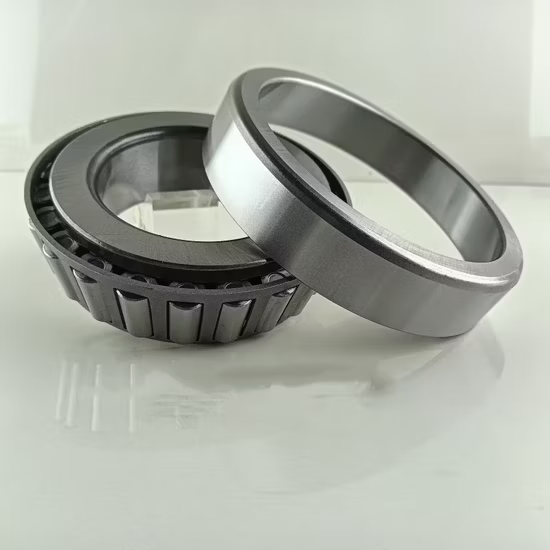
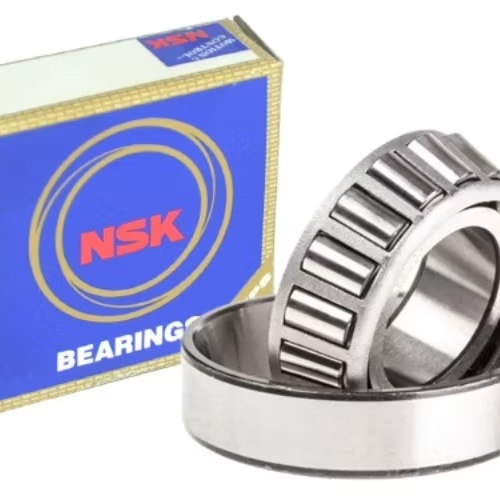
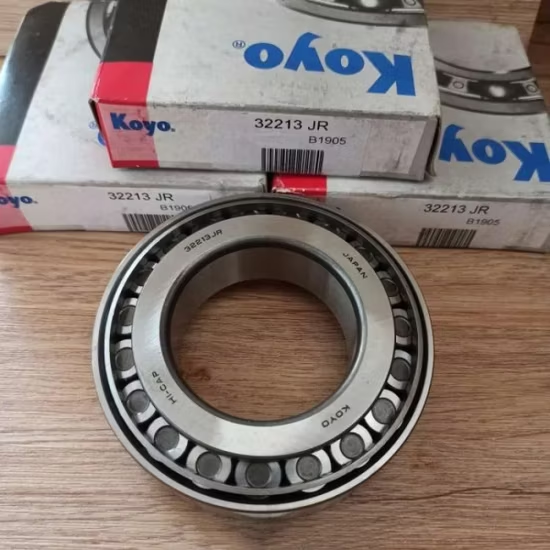
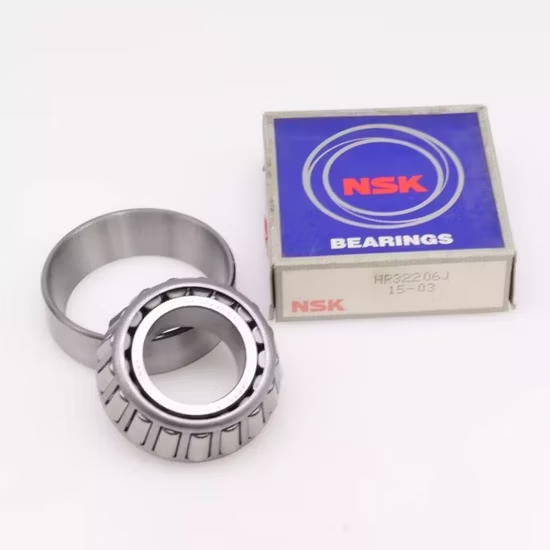


30200 30201 Tapered Roller Bearing P4 — Single-row metric tapered roller bearings crafted from GCr15 high-carbon chromium steel for optimal fatigue resistance.
Multi-brand authorized sourcing — Consolidate metric and inch-series wheel hub bearings into a single traceable shipment without juggling multiple vendors.
| Parameter | Value |
|---|---|
| Designation | 30200 30201 |
| Bearing Type | Tapered Roller Bearing |
| Number of Rows | Single Row |
| Precision Class | P4 |
| Material | GCr15 Bearing Steel |
| Cage Material Options | Nylon, Brass, or Pressed Steel |
| Features | Low Noise, High Speed, Long Service Life |
| Origin | Shanghai |
| Industry | Typical Applications |
|---|---|
| Automotive & Heavy Vehicles | Wheel hub assemblies, truck axle differentials, steering knuckle bearings |
| Industrial Power Transmission | Heavy-duty industrial gearboxes, material handling drive shafts |
| General Machinery Repair | Replacement spares for rotating shafts requiring combined load support |
Base numbers match, but internal geometry dictates survival.
Sourcing wheel hub components often turns into a trap when buyers focus solely on the primary designation. I have seen entire fleets grounded in Latin America because a batch of inch-series equivalents was installed without verifying the internal clearance and cage specifications. When a 30200 30201 tapered roller bearing is cross-referenced purely by basic dimensions, the subtle differences in roller profile and cage material get ignored. Under the intense thermal cycling of highway braking and heavy axle loads, these overlooked details rapidly escalate into cage fragmentation and catastrophic thermal binding .
When replacing wheel hub units, the transition between metric and inch-series equivalents requires more than a dimensional check. Our engineering review ensures that the cross-reference aligns with the specific load vectors and thermal expansion characteristics of your axle housing. We verify that the internal geometry of the replacement unit matches the original equipment requirements, preventing the premature wear that plagues superficially matched components.
Wheel hubs endure a brutal combination of radial vehicle weight and axial cornering forces, compounded by intense heat generated during braking. Standard clearance bearings often bind when the axle shaft expands under these thermal spikes, shifting the load zone and accelerating fatigue . Proper adjustment during installation is critical; too tight, and the rollers skid; too loose, and the hub wobbles, destroying the seal lip and inviting moisture contamination that quickly degrades the lubricant.
The P4 precision class dictates significantly tighter tolerances for bore and outside diameter compared to standard grades, ensuring the bearing seats perfectly in the hub without requiring excessive press force that could distort the outer ring. The GCr15 high-carbon chromium steel provides the necessary core toughness and raceway hardness to resist spalling under heavy shock loads. Furthermore, the cage material—whether nylon for reduced friction, brass for high-vibration resilience, or pressed steel for cost-effective durability—must be selected based on the specific operating temperature and rotational speed limits of the application.
Installing a dimensionally correct but internally mismatched bearing inevitably leads to unplanned downtime and voided warranty claims. The cost of a replacement hub bearing is negligible compared to the labor hours required to dismantle a seized axle or replace a damaged spindle. According to ISO 281 frameworks, ignoring the specific dynamic load ratings and fatigue life limits of the exact internal design drastically reduces the calculated service life, turning a routine maintenance interval into a critical roadside failure .
Procuring through our authorized channels guarantees that every batch is fully traceable to the manufacturer's production facilities, eliminating the risk of counterfeit rings with substandard hardness. We do not just ship a box; we validate that the cross-reference covers the exact clearance class and internal geometry your equipment demands. Our technical team reviews your application parameters to confirm the selected cage and precision grade will withstand your specific operational environment, backed by comprehensive pre-shipment inspection reports.
To ensure the selected unit perfectly matches your axle or gearbox requirements, please provide the specific radial and axial load profiles, operating speeds, and typical temperature ranges. If you are replacing an existing unit, sharing the OEM equipment number or the exact dimensions of the housing and shaft allows our technical team to perform a comprehensive cross-reference check and L10 life calculation, ensuring optimal performance and longevity.
Q: Why is matching metric and inch-series tapered roller bearings so risky?
A: Matching basic dimensions often ignores critical internal differences like roller angle, cage design, and internal clearance. These subtle variations dictate how the bearing handles thermal expansion and combined loads. Installing a superficially matched equivalent can lead to rapid thermal binding or cage failure under heavy axle loads.
Q: How does P4 precision benefit automotive wheel hub applications?
A: P4 precision ensures much tighter dimensional and running accuracy than standard grades. This allows the bearing to seat perfectly in the hub housing without excessive press forces that could distort the outer ring, ensuring smooth rotation, lower noise, and extended service life under high-speed highway conditions.
Q: How can I verify the GCr15 material authenticity upon delivery?
A: Every shipment includes a material test report confirming the chemical composition and a Certificate of Conformity. Additionally, you can scan the QR codes on the packaging using the official brand app to verify the batch traceability and confirm the steel originates from the manufacturer's certified production facilities.
Q: Which cage material should I choose for heavy truck axles?
A: The choice depends on the specific operating conditions. Brass cages offer superior resilience in high-vibration and high-load environments, while pressed steel is a cost-effective standard. Nylon cages reduce friction and noise but have stricter temperature limits. We review your exact load and thermal data to recommend the optimal cage type.
Q: What is the best practice for setting clearance during installation?
A: Single-row tapered roller bearings require precise adjustment during mounting. The hub nut must be tightened to eliminate play, then slightly backed off to establish the correct residual clearance. This prevents the rollers from skidding due to excessive preload or causing hub wobble and seal damage from being too loose.
Our 5-step process ensures every order is engineered, validated, and supported for optimal performance.
Technical needs assessment
Custom specifications
Free samples for $50k+
Pre-shipment inspection
On-site & predictive
Our certified engineers respond within 24 hours with detailed technical specifications, pricing, and lead time information.