01
Consultation
Technical needs assessment

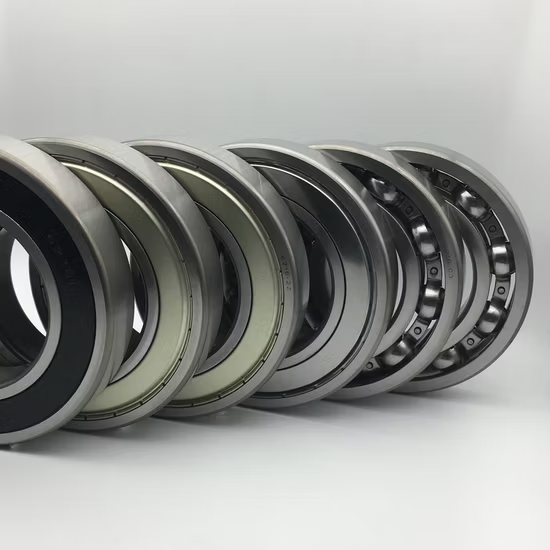
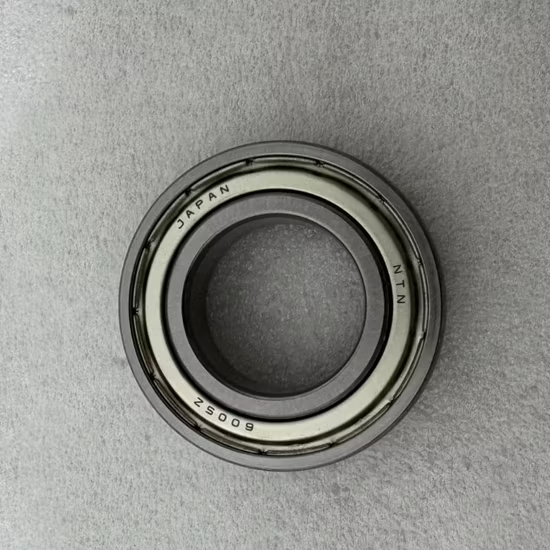
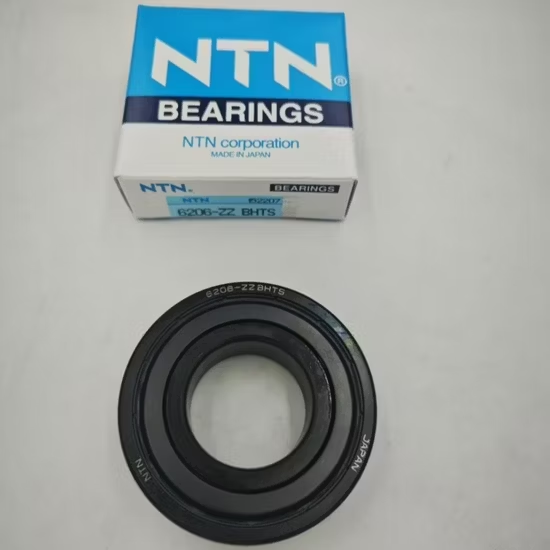
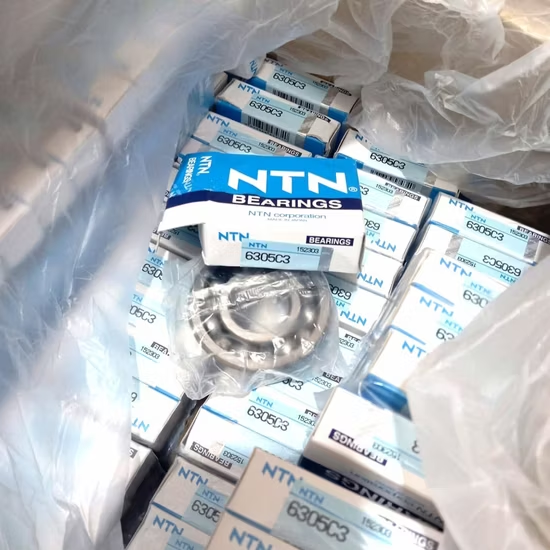
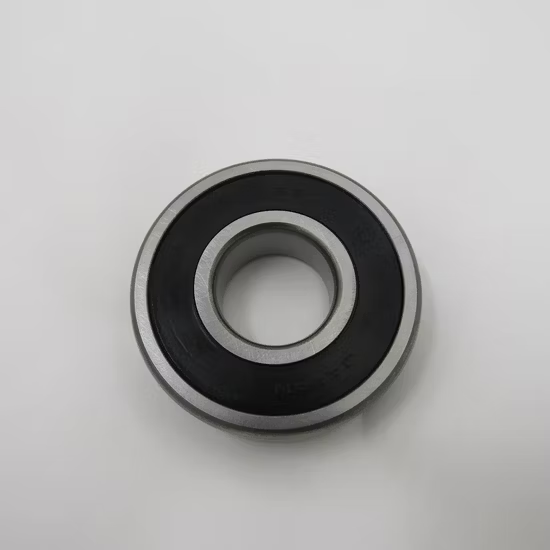
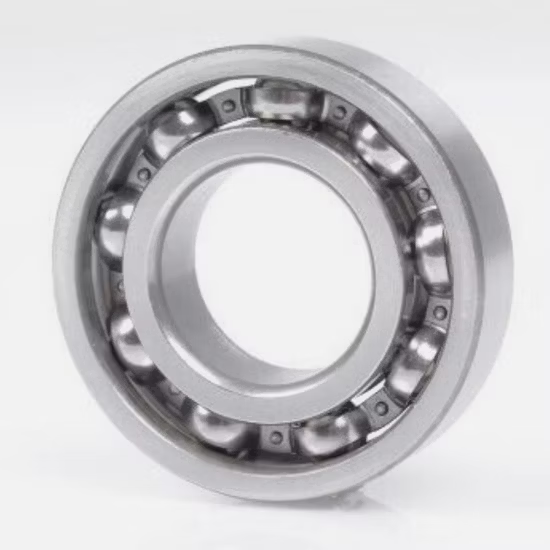
Qj109ez Four-Point Contact Ball Bearing — GCr15 steel single-row construction with four-point contact geometry, supporting combined radial and axial loads in both directions for automobile steering and precision spindle assemblies.
Every order ships with material certificates and dimensional inspection reports for complete batch traceability.
Three-way cross-reference alignment — verifying clearance, cage material, and precision suffixes prevents thermal binding in steering columns.
| Parameter | Value |
|---|---|
| Designation | Qj109ez |
| Bearing Type | Four-Point Contact Ball Bearing |
| Number of Rows | Single Row |
| Material | GCr15 Bearing Steel |
| Precision Class | P0, P6, P5, P4, P2 |
| Seal or Shield Type | ZZ, 2RS, Open |
| Origin | Shanghai |
| Customization | Available |
| Industry | Typical Applications |
|---|---|
| Automotive Manufacturing | Steering column support mechanisms |
| Heavy Vehicle Repair | Power steering gear assemblies |
| Precision Machinery | Machine tool rotary tables |
Ignoring suffix variations during cross-referencing causes rapid thermal binding under continuous steering loads.
I have seen too many steering systems lock up in high-ambient environments because procurement teams matched the base number but overlooked internal clearance and cage design. When a standard clearance unit is forced into an application requiring thermal expansion tolerance, the internal geometry collapses as temperatures rise. This leads to catastrophic cage failure and unplanned vehicle downtime . Sourcing the exact Qj109ez four-point contact ball bearing requires looking far beyond the primary designation to ensure the internal architecture survives real-world steering stresses.
The four-point contact design allows this single row of balls to handle complex combined loads, making it ideal for the reversing axial forces inherent in steering mechanisms. By consolidating radial and axial load capacity into a compact footprint, the Qj109ez four-point contact ball bearing reduces the overall weight and complexity of the steering gear assembly. Our engineering team reviews the specific load vectors of your steering column to confirm that the contact angles and raceway geometries align perfectly with your operational demands.
Steering systems operate in environments characterized by fluctuating temperatures, road debris, and moisture ingress. Elevated temperatures cause the shaft and housing to expand at different rates, which can eliminate internal clearance if the wrong class is installed. Furthermore, exposure to fine particulate matter demands effective sealing solutions to prevent abrasive wear inside the raceways . Selecting the appropriate seal configuration and internal clearance is critical to maintaining smooth rotational torque throughout the vehicle's lifespan.
The "QJ" prefix identifies the four-point contact geometry, specifically engineered to sustain axial loads in both directions alongside moderate radial loads. The "109" segment defines the dimension series and bore code, establishing the physical envelope for the steering gear housing. Available precision classes range from P0 to P2, allowing buyers to select the exact running accuracy required for smooth steering feedback. The GCr15 bearing steel provides the necessary structural integrity and wear resistance for continuous automotive operation, while seal options like ZZ and 2RS offer varying degrees of friction and contamination protection.
Installing a unit with mismatched internal clearances or incorrect cage materials inevitably leads to premature failure. According to failure analysis frameworks like ISO 15243, thermal imbalance and inadequate lubrication caused by wrong seal selections are primary drivers of early raceway spalling . These failures result in severe warranty voidance, costly vehicle recalls, and significant reputational damage for the equipment manufacturer. The financial impact of a single steering gear recall far outweighs the initial cost of precise technical verification.
We maintain authorized distribution channels across all major international brands, ensuring that every mixed-brand order is handled with strict batch traceability. For designations with complex or unverified suffixes, our cross-brand interchange process rigorously matches clearance, cage material, and precision rather than just the base number. We provide application-based selection reviews that account for the specific thermal and load conditions of your steering mechanisms. This technical depth guarantees that the components you receive will perform exactly as the original equipment manufacturer intended.
To ensure optimal performance, please provide the specific radial and axial load profiles, operating temperature ranges, and rotational speeds of your steering application. Sharing the original equipment manufacturer part numbers allows our technical team to execute a comprehensive cross-reference verification. This data enables us to confirm the exact clearance class and seal configuration required for your assembly, ensuring complete compatibility and long-term reliability.
Q: How should I interpret the unverified "ez" suffix on this designation?
A: The "ez" suffix is currently unverified in standard public catalogs and requires direct confirmation from the manufacturer's technical documentation. It likely denotes a specific internal design modification, specialized cage material, or unique clearance class tailored for a particular steering gear application. We always verify such suffixes against the original equipment specifications before finalizing the order to prevent field failures.
Q: Why must clearance and precision suffixes align during cross-referencing?
A: Matching only the base number ignores critical internal geometries that dictate thermal expansion tolerance and running accuracy. If a steering column requires a specific clearance to accommodate heat generation, installing a standard clearance unit will cause thermal binding. Aligning all suffixes ensures the replacement bearing behaves identically to the original under real-world operational stresses.
Q: How can I verify bearing authenticity through official QR applications?
A: Counterfeiters frequently clone standard QR codes that redirect to fake validation websites. We supply genuine products that can be verified using the official mobile applications provided by the original bearing manufacturers. These secure apps read encrypted batch data directly from the manufacturer's database, confirming the exact production lot and material certifications for your specific units.
Q: Which seal type is optimal for automobile steering environments?
A: The choice between ZZ metal shields and 2RS rubber contact seals depends on the specific contamination and friction requirements of the steering gear. Rubber seals offer superior protection against moisture and fine dust but generate slightly higher friction torque. Metal shields provide lower friction for smoother steering feel but offer less resistance to liquid ingress, requiring a clean housing environment.
Our 5-step process ensures every order is engineered, validated, and supported for optimal performance.
Technical needs assessment
Custom specifications
Free samples for $50k+
Pre-shipment inspection
On-site & predictive
Our certified engineers respond within 24 hours with detailed technical specifications, pricing, and lead time information.