01
Consultation
Technical needs assessment



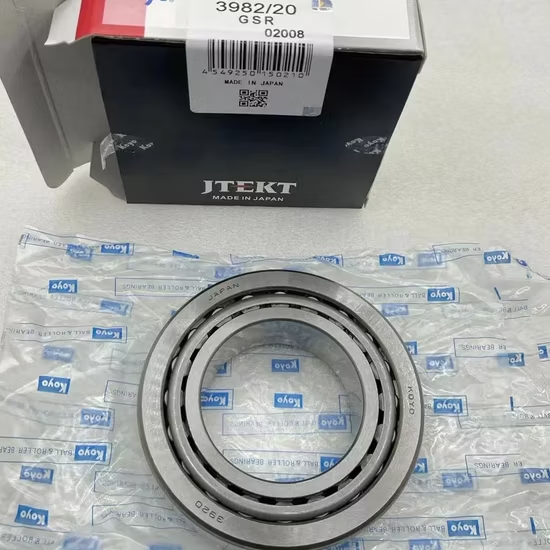
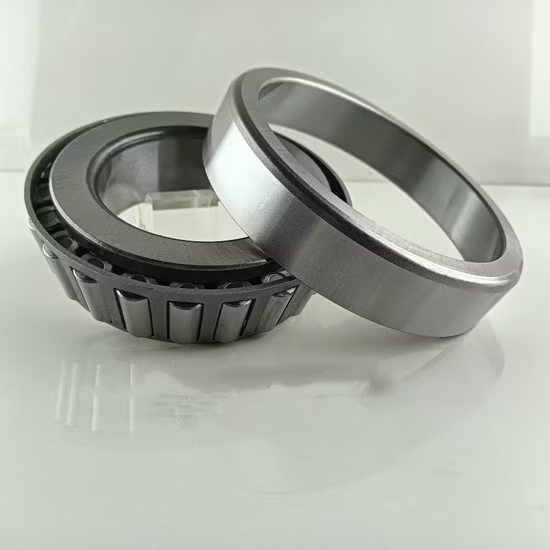
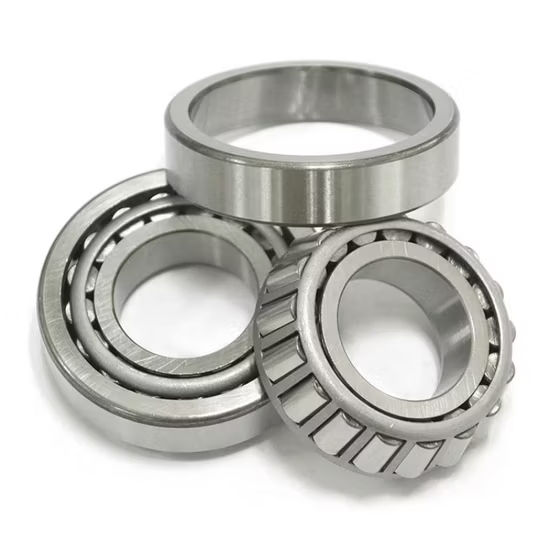
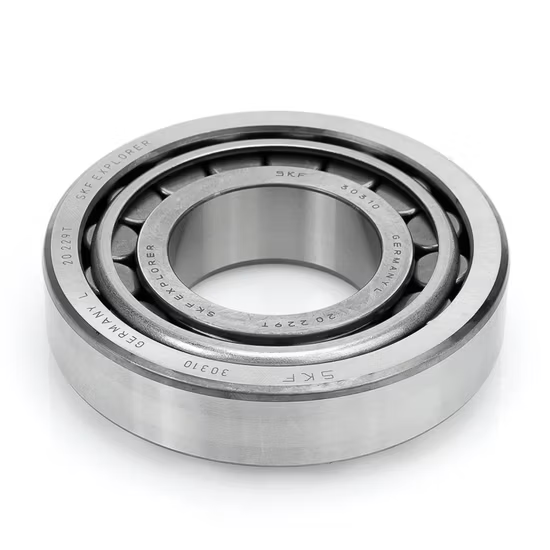
30213 30214 Single Row Tapered Roller Bearing P4
Full Multi-Brand Authorization — One consolidated shipment covers mixed OEM requirements for both the 30213 30214 tapered roller bearing designations without coordinating separate supply chains.
| Parameter | Value |
|---|---|
| Designation | 30213 30214 |
| Product Type | Tapered Roller Bearing |
| Number of Rows | Single Row |
| Structure | Taper |
| Precision Class | P4 |
| Material | GCr15 Bearing Steel |
| Cage Material Options | Nylon, Brass, or Pressed Steel |
| Origin Options | Germany, Japan, Sweden, Malaysia, or China |
| HS Code | 8482500090 |
| Industry | Typical Applications |
|---|---|
| Automotive & Heavy Vehicles | Wheel hub assemblies, truck axle differentials, heavy-duty trailer axles |
| Industrial Power Transmission | Heavy-duty industrial gearboxes, reduction gear pinion shafts |
| Marine & Offshore | Marine propulsion drives, stern tube support arrangements |
| Construction & Building Materials | Cement kiln trunnion supports, aggregate crusher drive shafts |
Matching the base number is never enough when thermal expansion alters internal clearances.
Procurement teams often source standard replacements based solely on the base designation, overlooking the fact that a standard clearance bearing will thermally bind when pressed into a high-temperature gearbox housing. I once traced a catastrophic gear reducer failure back to a batch of standard clearance bearings installed where thermal expansion demanded a specific internal geometry. The inner rings expanded, eliminating the operational clearance and causing the cage to disintegrate under load . Sourcing the correct 30213 30214 tapered roller bearing requires verifying the exact precision class and internal design, not just assuming the base number guarantees a drop-in replacement.
Upgrading to P4 precision for these single-row tapered units significantly reduces rolling friction and heat generation in high-speed pinion shafts. When cross-referencing OEM equipment numbers, we verify that the roller profile and raceway angles match the original drivetrain specifications. This prevents the micro-pitting that often plagues standard-precision replacements operating under combined radial and thrust loads.
Truck axles and industrial gearboxes subject these components to severe combined loading and fluctuating thermal cycles. The tapered geometry efficiently resolves axial thrust from helical gears while supporting radial shaft weight. However, elevated operating temperatures thin the lubricant film, demanding precise internal clearance to prevent metal-to-metal contact . Selecting the appropriate cage material—whether brass for high-vibration shock loads or engineered polymers for lower friction—directly dictates the service interval and heat dissipation capacity.
The P4 precision rating specified for these designations ensures exceptionally tight dimensional and running accuracy compared to standard commercial grades. In high-speed gearbox applications, this tighter tolerance minimizes axial runout and suppresses operational noise, which is critical for protecting adjacent gear teeth from uneven wear. The GCr15 high-carbon chromium bearing steel provides the necessary core toughness and raceway hardness to withstand repetitive Hertzian contact stresses without spalling. Because these are base designations without specialized suffixes, confirming the exact internal geometry and cage option with the manufacturer's documentation is mandatory before installation.
Installing a replacement that matches the outer dimensions but lacks the correct internal contact angle or precision grade leads to rapid, unplanned downtime. According to failure analysis frameworks like ISO 15243, improper internal clearance distribution is a primary driver of premature cage fracture and raceway smearing . This not only destroys the bearing but often scores the shaft journal and damages the gearbox housing, turning a simple component swap into a major mechanical overhaul and voiding equipment warranties.
We maintain authorized distribution channels across major global brands, allowing you to consolidate mixed-brand requirements into a single, fully traceable order. Our cross-reference process goes beyond basic dimensional matching; we verify the exact precision class, cage material, and internal geometry required for your specific thermal and load environment. Every shipment includes batch traceability and QR verification, ensuring the components you receive are genuine and exactly match the quoted specifications. We also provide application-based selection reviews to catch potential clearance or mounting mismatches before the parts ever leave our facility.
To ensure exact alignment with your machinery, please provide the specific radial and axial load profiles, operating speeds, and steady-state temperatures. Supplying the original OEM equipment number or housing dimensions allows our engineering team to perform a comprehensive cross-reference and L10 life calculation. This data enables us to recommend the optimal cage material and confirm the precise internal geometry required for your application.
Q: How do I verify the authenticity of the received units?
A: Every bearing features a unique traceability code that can be scanned using the manufacturer's official mobile application. This digital verification confirms the production batch, original factory, and exact specification grade, protecting your operation from sophisticated counterfeits that merely clone visual markings without meeting the internal metallurgical standards.
Q: Why is cross-referencing more than just matching the base number?
A: Base numbers only define the outer envelope dimensions. Matching the exact internal geometry, precision class, and cage design is critical because overlooking these factors causes thermal binding or cage failure under load. Our technical review ensures the replacement matches the specific operational demands of your gearbox or axle.
Q: What is the practical difference between P4 and standard P0 precision?
A: P4 precision guarantees significantly tighter dimensional and running accuracy, which minimizes axial runout and vibration in high-speed applications. This enhanced accuracy reduces heat generation and protects mating gear teeth from uneven wear, making it essential for demanding industrial gearboxes and precision automotive drivetrains.
Q: How do I select the right cage material for my application?
A: Cage selection depends on your specific operating environment. Brass cages offer superior durability and heat dissipation in high-vibration or high-temperature gearboxes, while engineered polymer cages reduce friction and weight in high-speed automotive wheel hubs. Share your load and speed parameters so we can specify the optimal design.
Q: What mounting practices are required for these tapered designs?
A: Proper installation requires precise adjustment of the internal clearance during mounting. Using controlled induction heating for the inner ring and strictly following the manufacturer's drive-up measurements ensures the correct residual clearance is maintained, preventing premature seizure once the equipment reaches its normal operating temperature.
Our 5-step process ensures every order is engineered, validated, and supported for optimal performance.
Technical needs assessment
Custom specifications
Free samples for $50k+
Pre-shipment inspection
On-site & predictive
Our certified engineers respond within 24 hours with detailed technical specifications, pricing, and lead time information.