01
Consultation
Technical needs assessment

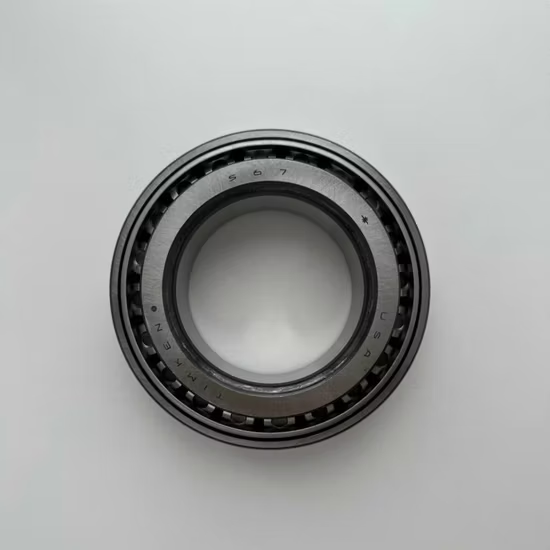
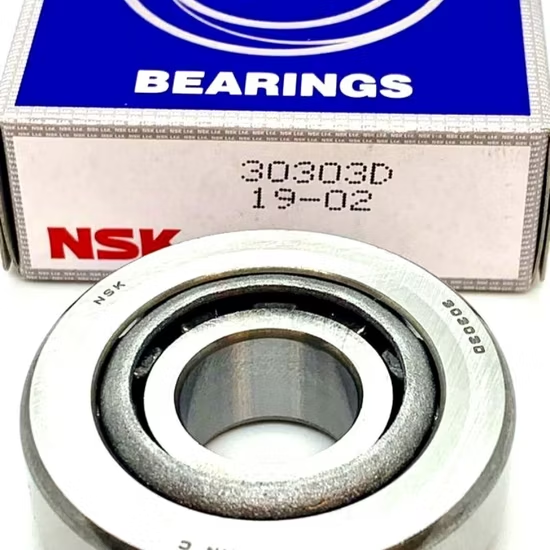
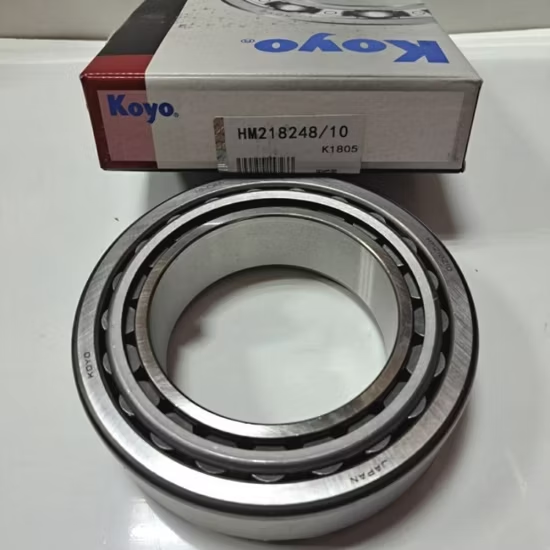
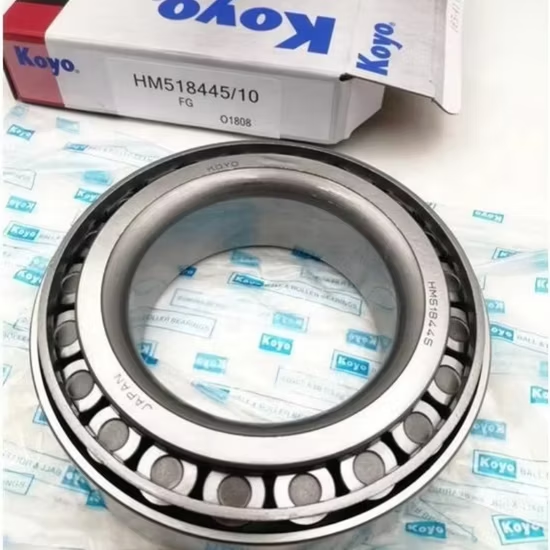
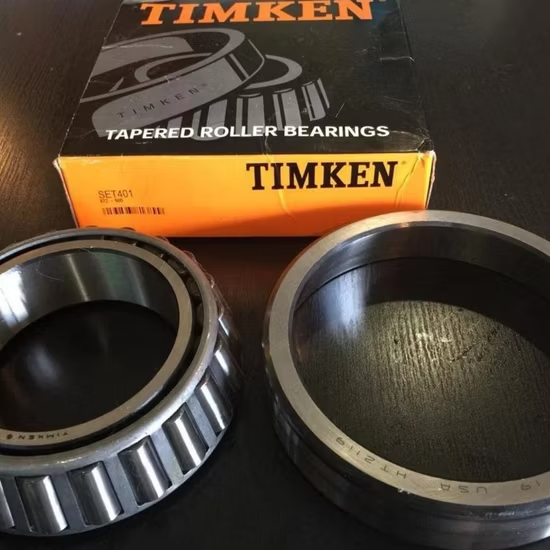
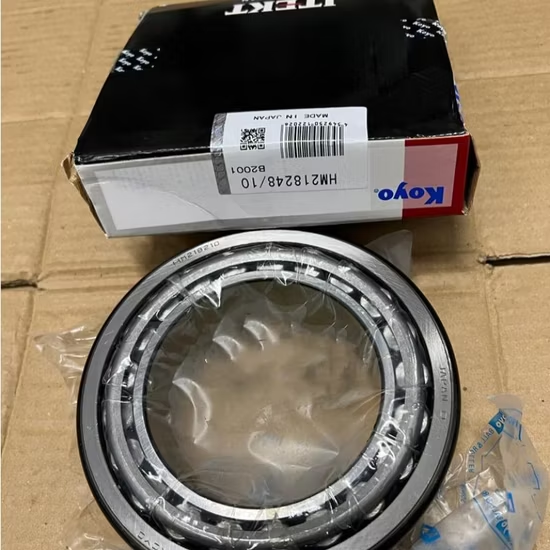
30201 30202 Tapered Roller Bearing P4 — single row configuration optimized for combined radial and axial loads.
Full Brand Authorization Coverage — Source mixed-brand tapered roller requirements in a single consolidated shipment without coordinating multiple vendors.
| Parameter | Value |
|---|---|
| Designation | 30201 30202 |
| Bearing Type | Tapered Roller Bearing |
| Number of Rows | Single Row |
| Precision Class | P4 |
| Material | GCr15 Bearing Steel |
| Cage Material Options | Nylon, Brass, or Pressed Iron |
| Origin | Shanghai |
| HS Code | 8482500090 |
| Industry | Typical Applications |
|---|---|
| Automotive & Heavy Transport | Wheel hub assemblies, truck axle differentials, and steering knuckles |
| Industrial Power Transmission | Helical and bevel gearboxes, conveyor drive shafts |
| Marine & Heavy Machinery | Marine propulsion drives, hoisting winches, and building material mixers |
Standard P0 tolerances introduce microscopic runout that amplifies into destructive vibration under combined loading.
When procuring replacement bearings for precision gearboxes or high-speed automotive hubs, relying solely on the base number often leads to catastrophic field returns. I once inspected a batch of replaced units where the inner rings showed severe spalling; the purchaser had matched the base designation but overlooked the precision suffix. Installing standard tolerance components in applications demanding tight dimensional control causes uneven load distribution across the rollers. This localized stress accelerates fatigue and generates excessive heat . Securing the correct 30201 30202 tapered roller bearing with verified P4 precision ensures the running accuracy required to maintain optimal gear mesh and hub stability.
Sourcing the correct 30201 30202 tapered roller bearing requires looking past the basic dimensions to evaluate the internal geometry and precision class. Our technical review process verifies that the P4 tolerance class aligns with your equipment’s operational demands, preventing the premature wear associated with misaligned roller paths. We cross-reference the exact cage material and internal design to ensure the component handles your specific combined radial and axial loads without thermal binding.
Automotive wheel hubs and industrial gearboxes subject components to severe shock loads and continuous rotational stress. In these environments, temperature fluctuations significantly impact internal clearance, making the initial assembly tolerance critical. Inadequate lubrication or contamination ingress further degrades the rolling surfaces, especially when high-speed rotation generates friction heat. Proper sealing arrangements and precise roller profiling are essential to maintain the hydrodynamic oil film and prevent metal-to-metal contact during peak torque transmission .
The P4 precision designation indicates strictly controlled dimensional and running accuracy compared to standard commercial grades. For single row tapered roller bearings, this tighter tolerance minimizes axial runout and ensures uniform load sharing among all rolling elements. The GCr15 bearing steel construction provides the necessary core hardness and wear resistance to withstand high contact stresses. Depending on the specific speed and vibration profile of your gearbox, the cage material can be configured from available nylon, brass, or pressed iron variants to optimize high-speed stability or heavy-load durability.
Overlooking precision suffixes or internal design variations during procurement inevitably leads to unplanned downtime and catastrophic drivetrain damage. When a standard clearance or lower precision bearing is forced into a high-speed precision spindle or heavy-duty axle, the resulting thermal expansion causes internal preload spikes. This violates the fundamental life calculation assumptions outlined in ISO 281, drastically shortening the operational lifespan and voiding equipment warranties .
We eliminate cross-reference errors by validating the precision class, cage material, and internal geometry, not just the base number. Every 30201 30202 tapered roller bearing we supply is sourced through authorized channels, ensuring complete batch traceability back to the manufacturer. Our application-based selection review analyzes your specific load, speed, and temperature parameters to confirm the P4 rating is appropriate. We provide comprehensive cross-brand interchange expertise, ensuring mixed-fleet maintenance requirements are met with exact engineering equivalents.
To ensure optimal drivetrain performance, share your specific radial and axial load profiles, operational speeds, and housing dimensions for a comprehensive L10 life calculation. Providing the original OEM equipment number allows our engineering team to execute a precise cross-reference check, verifying that the internal design and precision suffixes perfectly match your application requirements.
Q: How does P4 precision compare to standard P0 in tapered roller applications?
A: P4 precision offers strictly controlled dimensional and running accuracy, significantly reducing axial runout and vibration. While P0 is suitable for general machinery, P4 is critical for high-speed automotive hubs and precision gearboxes where tight tolerances prevent uneven load distribution and premature fatigue failure under combined radial and axial stresses.
Q: What are the critical cross-reference checks beyond the base designation?
A: Matching the base number is insufficient; you must verify the precision class, internal clearance, and cage material. Installing a standard clearance bearing where thermal expansion requires a specific internal geometry causes thermal binding. We validate these exact suffixes to ensure the replacement matches the original equipment's operational demands.
Q: How to verify bearing authenticity and batch traceability?
A: Every unit we supply includes a Certificate of Conformity and manufacturer batch traceability. You can verify authenticity instantly by scanning the packaging with the official brand application QR code. This ensures the GCr15 material and P4 precision tolerances meet genuine factory specifications, eliminating the risk of counterfeit components.
Q: Which cage material is best suited for high-speed versus heavy-load gearbox environments?
A: Cage selection depends on the specific operational profile. Nylon cages offer excellent high-speed stability and lower friction, while machined brass cages provide superior durability and heat dissipation under heavy shock loads. We review your gearbox speed and load parameters to recommend the optimal cage material variant for your application.
Our 5-step process ensures every order is engineered, validated, and supported for optimal performance.
Technical needs assessment
Custom specifications
Free samples for $50k+
Pre-shipment inspection
On-site & predictive
Our certified engineers respond within 24 hours with detailed technical specifications, pricing, and lead time information.