01
Consultation
Technical needs assessment


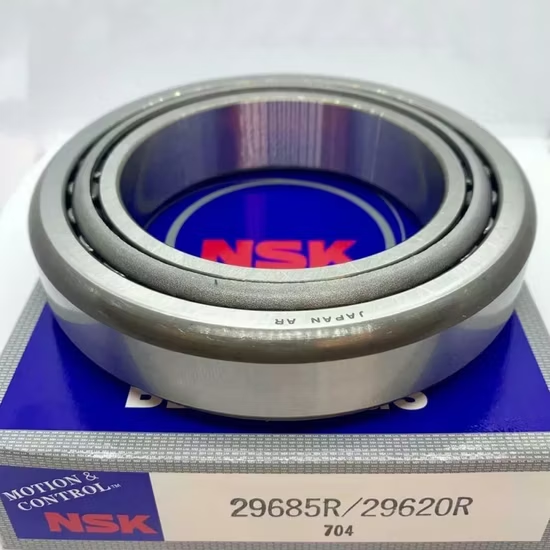
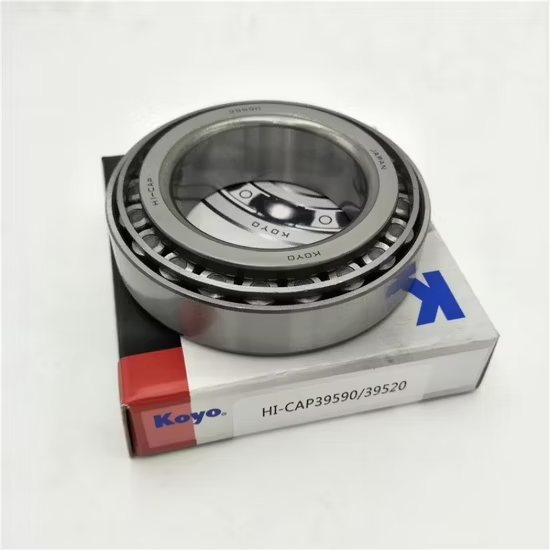
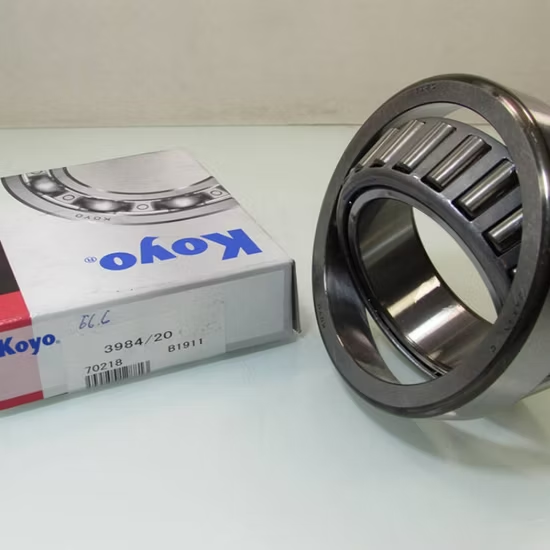

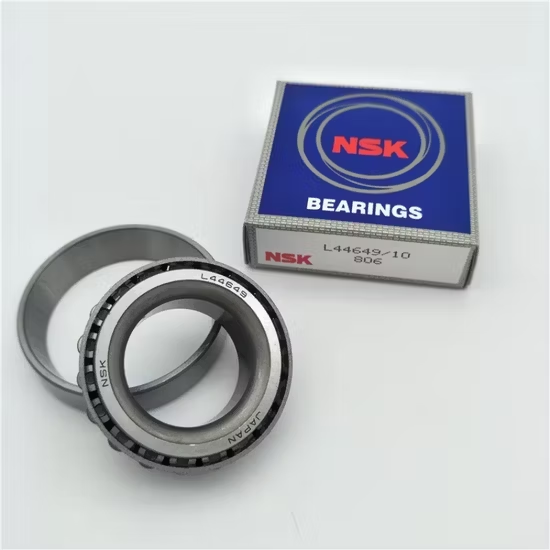
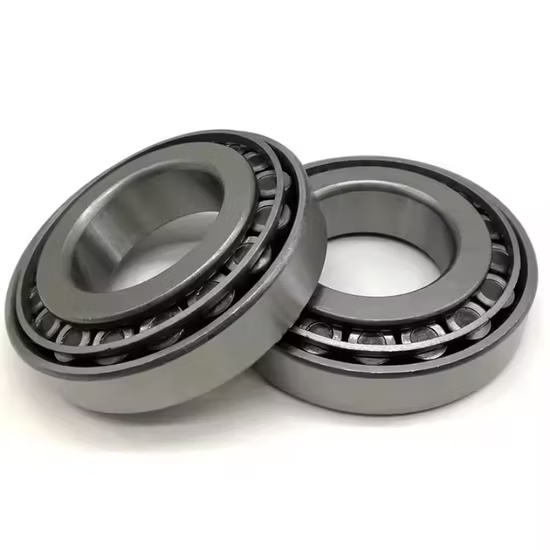
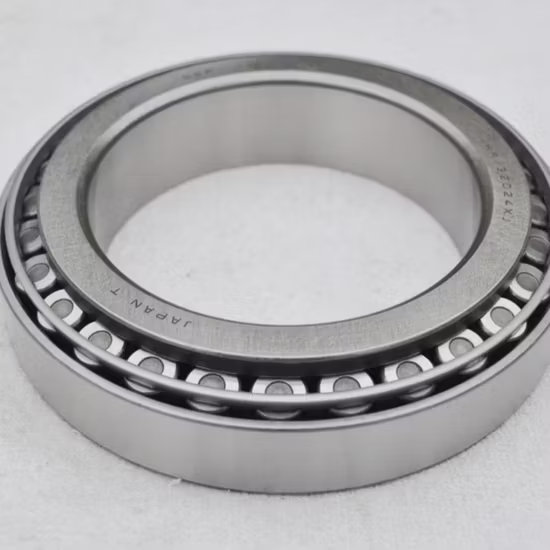
25572/25528 Inch Tapered Roller Bearing P4 — GCr15 bearing steel construction delivers optimal load capacity for heavy equipment and automotive wheel hubs.
Exact Cross-Reference Alignment — We verify base designation, cage material, and precision class to prevent field binding on inch-series assemblies.
| Parameter | Value |
|---|---|
| Designation | 25572/25528 |
| Bearing Type | Tapered Roller Bearing |
| Precision Class | P4 |
| Material | GCr15 (Bearing Steel) |
| Cage Material | Available in nylon, brass, or pressed steel variants |
| Bore Type | Inch tapered inner ring (cone) |
| Outer Ring | Inch tapered outer ring (cup) |
| Origin | Sourced from authorized facilities in Germany, Japan, Sweden, Malaysia, or China |
| Industry | Typical Applications |
|---|---|
| Heavy Equipment | Crusher eccentric shafts and vibratory screen mechanisms |
| Automotive & Transport | Heavy-duty truck axles and commercial vehicle wheel hubs |
| Industrial Manufacturing | Gearbox pinion shafts and heavy material handling conveyors |
Matching the cone and cup numbers is only the first step; ignoring internal clearance and cage design leads to rapid thermal seizure.
In Latin American mining sites, I have seen entire crushing lines shut down because procurement matched the inch designation but overlooked the required internal geometry. When a standard clearance is forced into a high-temperature application, the thermal expansion eliminates the operating gap, causing the rollers to skid and the cage to disintegrate. . Sourcing a genuine 25572/25528 tapered roller bearing requires looking past the stamped numbers to ensure the internal components can handle the specific thermal and mechanical loads of the equipment.
Selecting the correct 25572/25528 tapered roller bearing goes beyond confirming the outer dimensions. Our engineering review evaluates the specific load vectors and rotational speeds of your gearboxes or heavy axles to confirm that the P4 precision rating and selected cage material will maintain stability under operational stress.
Heavy machinery environments subject tapered roller bearings to intense combined radial and axial loads, often accompanied by severe shock impacts. Elevated operating temperatures can degrade standard lubricants and alter the internal clearance, making the correct initial gap selection critical. Furthermore, exposure to abrasive dust in mining or construction sites demands robust sealing solutions to prevent particulate ingress that accelerates raceway wear. .
The 25572 designation identifies the inch-series inner ring (cone), while 25528 specifies the mating outer ring (cup). Upgrading to a P4 precision class ensures tighter dimensional and running accuracy, which is essential for minimizing vibration in high-speed pinion shafts. The cage material options—ranging from pressed steel for high-load shock resistance to brass or nylon for specific speed and friction requirements—must be matched to the exact thermal profile of the housing. Using the correct GCr15 bearing steel construction provides the necessary core toughness and raceway hardness to withstand repetitive heavy loading without spalling.
Substituting an inch-series bearing with a metric equivalent that shares similar outer dimensions often results in catastrophic damage to the surrounding housing and shafts. Premature failure caused by incorrect internal geometry leads to unplanned downtime that far exceeds the initial component cost. When cross-referencing ignores the precise contact angle and roller profile, the resulting misalignment triggers localized stress concentrations and rapid lubricant breakdown. .
We eliminate the risk of receiving counterfeit inch-series parts with soft inner rings by sourcing exclusively through authorized distribution channels. Every 25572/25528 tapered roller bearing shipment is verified for exact cross-reference alignment, ensuring the cage material and precision suffixes match your OEM requirements. Our application-based selection review catches clearance mismatches before the parts leave the warehouse, preventing the thermal binding issues that plague field installations.
To ensure the selected inch-series component perfectly matches your application, please provide the specific radial and axial load calculations along with the operating speed and temperature range. Sharing the original OEM equipment number allows our technical team to perform a comprehensive cross-reference check, verifying that the internal clearance and cage design align with the factory specifications. This data enables us to conduct an accurate L10 life calculation and recommend the optimal mounting practices for your machinery.
Q: How do I verify the authenticity of the received inch-series bearings?
A: Every shipment includes batch traceability documentation and a unique QR code. You can scan this code using the manufacturer's official mobile application to instantly verify the production origin, material grade, and precision class, ensuring the components are genuine and not counterfeit copies with substandard metallurgy.
Q: Why is it critical to match the cage material during cross-referencing?
A: The cage controls roller spacing and manages friction heat. Substituting a brass cage with a nylon variant in a high-temperature gearbox can lead to cage melting and sudden seizure. We verify the exact cage material requirement against your operating temperatures to prevent these catastrophic field failures.
Q: What is the difference between standard and P4 precision for tapered rollers?
A: P4 precision indicates significantly tighter tolerances in dimensional accuracy and running precision compared to standard classes. This tighter control reduces vibration and heat generation, which is crucial for maintaining stability and extending the operational life of high-speed pinion shafts and heavy-duty wheel hubs.
Q: How should I handle the internal clearance when replacing these components?
A: Internal clearance must accommodate the thermal expansion of the shaft and housing during operation. Installing a standard clearance bearing in a high-heat environment will cause the gap to close, leading to roller skidding. Always confirm the required clearance class based on your specific operating temperature and interference fit.
Our 5-step process ensures every order is engineered, validated, and supported for optimal performance.
Technical needs assessment
Custom specifications
Free samples for $50k+
Pre-shipment inspection
On-site & predictive
Our certified engineers respond within 24 hours with detailed technical specifications, pricing, and lead time information.