01
Consultation
Technical needs assessment


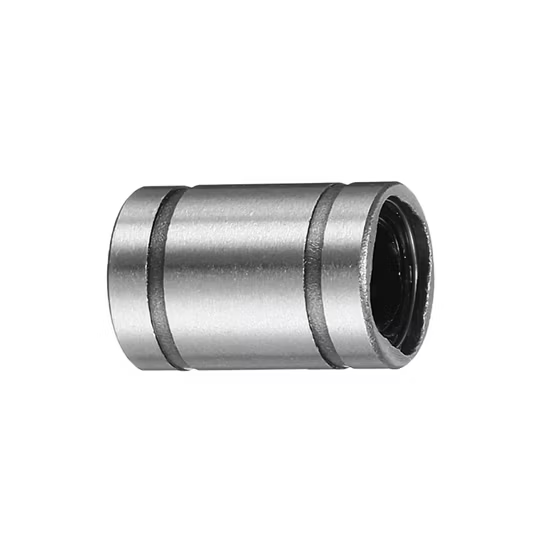
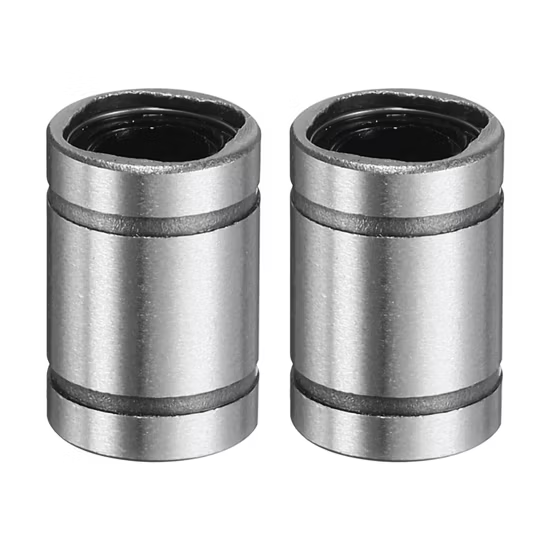


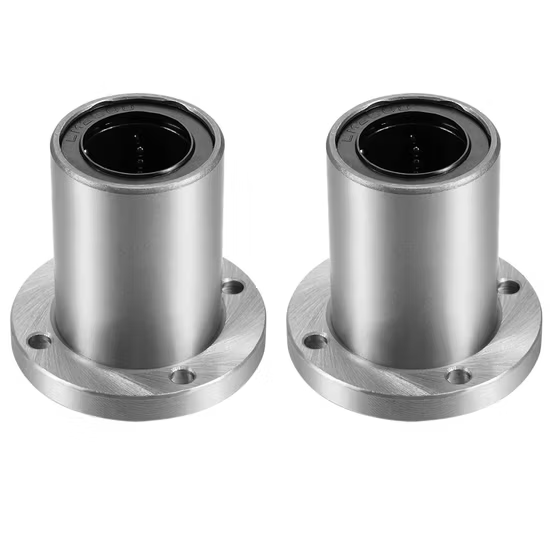
LM12LUU LM13LUU LM16LUU Linear Bearing — bearing steel construction with nylon cage for high-speed, low-noise linear motion. Available in precision classes P0 through P2 to match diverse automation and machine tool tolerances.
Multi-Brand Sourcing — Consolidating your LM12LUU LM13LUU LM16LUU linear bearing requirements into a single purchase order eliminates the friction of coordinating across multiple suppliers.
| Parameter | Value |
|---|---|
| Designation | LM12LUU LM13LUU LM16LUU |
| Product Type | Linear Bearing |
| Series | LM |
| Material | Bearing Steel |
| Cage Material | Nylon |
| Flange Shape | Circular |
| Precision Class | P0, P6, P5, P4, P2 |
| Features | High Speed, Low Voice |
Note: The specific engineering definitions for the LM and LUU designations require verification against the original manufacturer catalog.
| Industry | Typical Applications |
|---|---|
| CNC Machining | High-speed spindle traversing and precision tool positioning mechanisms |
| Additive Manufacturing | Z-axis elevation and extruder carriage guidance in 3D printers |
| Industrial Automation | Robotic arm linear actuation and automated assembly slide tracks |
| Packaging Machinery | High-cycle product indexing and sealing jaw linear movement |
| Material Handling | Automated guided vehicle steering linkages and conveyor transfer units |
Material verification prevents catastrophic carriage lockups during rapid traverse cycles.
In my years working on the workshop floor in Ningbo, I have seen too many linear motion systems fail because procurement focused solely on the base number while ignoring internal construction. A significant share of premature failures in automated equipment stems from counterfeit or substandard components where the cage material degrades under continuous high-speed friction. When a low-quality retainer shatters inside the carriage, it causes immediate jamming, damaging the precision ground shaft and halting the entire production line . Sourcing an authentic LM12LUU LM13LUU LM16LUU linear bearing ensures the nylon retainers are engineered to withstand the thermal and mechanical stresses of rapid automated cycles without disintegrating.
Selecting the correct tolerance band is critical for maintaining positional accuracy in CNC and robotics applications. We supply this LM12LUU LM13LUU LM16LUU linear bearing across multiple precision classes, allowing engineers to match the exact geometric requirements of their linear guides. By providing full cross-brand interchange support, we ensure that the internal clearance and dimensional accuracy align perfectly with your OEM specifications, preventing the micro-vibrations that ruin surface finishes in machining operations.
High-speed linear motion generates substantial friction heat, which directly impacts the internal clearance between the balls and the shaft. If the thermal expansion is not accounted for during the selection phase, the carriage can bind, leading to excessive wear and motor overload. Proper lubrication is equally vital; while the integrated seals retain factory grease and block particulate ingress from packaging or machining environments, they also introduce slight frictional drag . Balancing these environmental and thermal factors ensures smooth, low-voice operation throughout the equipment lifecycle.
The bearing steel construction provides the necessary surface hardness for the balls and outer sleeve to resist deformation under dynamic radial and moment loads. The nylon cage is specifically chosen for its low mass and excellent sliding properties, which minimize inertia and acoustic emissions during high-speed transitions. Furthermore, the integrated sealing arrangement retains lubrication while shielding the rolling elements from abrasive dust common in material handling and 3D printing environments. Selecting the appropriate precision class, ranging from standard to ultra-precise, dictates the allowable geometric deviations and directly influences the smoothness of the linear travel.
Relying on superficial cross-references that match only the outer dimensions while ignoring internal design variations leads to severe operational penalties. Installing a component with incorrect internal geometry or inferior seal materials results in unplanned downtime, accelerated shaft scoring, and catastrophic damage to the surrounding automation hardware. According to failure analysis frameworks outlined in ISO 15243, such mismatched components frequently exhibit premature fatigue and abrasive wear patterns . These hidden costs easily overshadow any initial savings from sourcing unverified alternatives.
Our procurement strategy eliminates the risk of receiving cloned components with soft inner sleeves that fail under load. We provide comprehensive cross-reference alignment that verifies not just the basic outline, but the exact seal configuration and cage material required for your specific application. Every shipment includes batch traceability back to the manufacturer's production facilities, ensuring that the LM12LUU LM13LUU LM16LUU linear bearing you receive meets the rigorous demands of high-speed automation. We also conduct application-based selection reviews to confirm that the chosen precision class and sealing arrangement suit your operational environment.
To ensure optimal performance, please provide your specific radial and axial load profiles, traverse speeds, and operating temperature ranges. Sharing the exact OEM equipment numbers allows our engineering team to perform a comprehensive cross-reference check, verifying that the internal geometry and sealing arrangements perfectly match your original design intent. This technical review guarantees that the selected components will deliver reliable, low-friction linear motion in your automated systems.
Q: How do I verify the authenticity of these linear motion components?
A: We provide full batch traceability and official brand app QR codes for every shipment. This allows you to instantly verify the origin and material specifications, effectively eliminating the risk of installing counterfeit components with soft inner sleeves that cause premature system failure.
Q: Why is matching the exact precision class critical for automated equipment?
A: High-speed CNC and robotic applications demand strict geometric tolerances to prevent micro-vibrations. Selecting the correct precision class ensures the internal clearance and dimensional accuracy align with your linear shaft, preventing the carriage binding and positional errors that ruin machining surface finishes.
Q: What should I look for when cross-referencing linear bearings?
A: A reliable cross-reference must align the internal cage material, seal configuration, and exact precision class, not just the basic outer dimensions. Overlooking these internal design variations often leads to thermal binding or seal failure when the component is subjected to high-speed automated cycles.
Q: How do I select the right seal and cage material for my environment?
A: The nylon cage minimizes inertia and acoustic emissions for high-speed travel, while the integrated seals retain lubrication and block particulate ingress. Evaluating your specific exposure to abrasive dust or moisture ensures the selected sealing arrangement provides adequate protection without introducing excessive frictional drag.
Our 5-step process ensures every order is engineered, validated, and supported for optimal performance.
Technical needs assessment
Custom specifications
Free samples for $50k+
Pre-shipment inspection
On-site & predictive
Our certified engineers respond within 24 hours with detailed technical specifications, pricing, and lead time information.