01
Consultation
Technical needs assessment



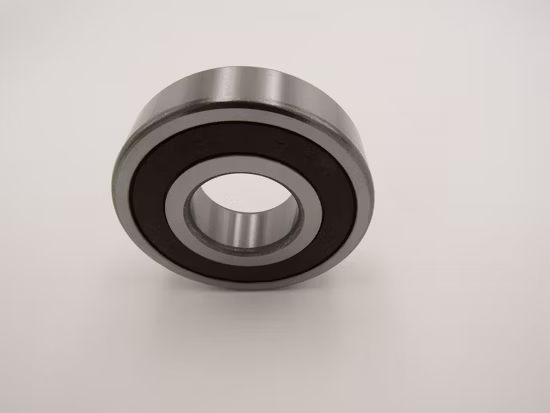
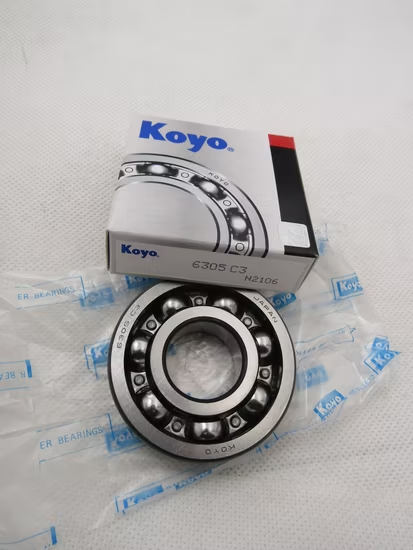
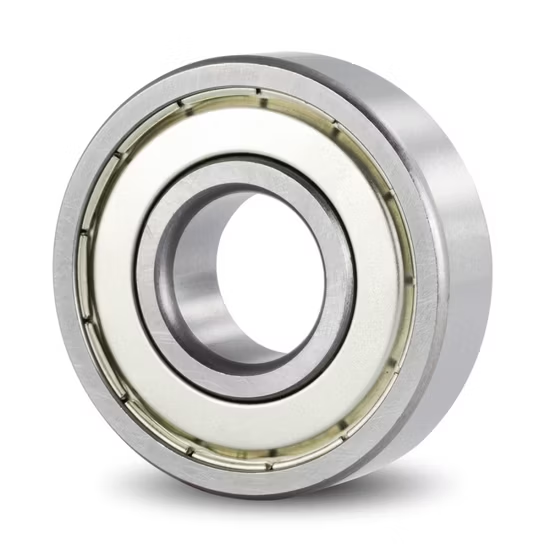
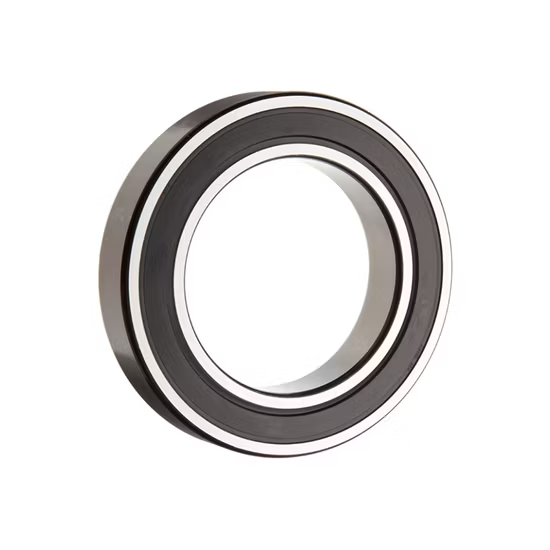
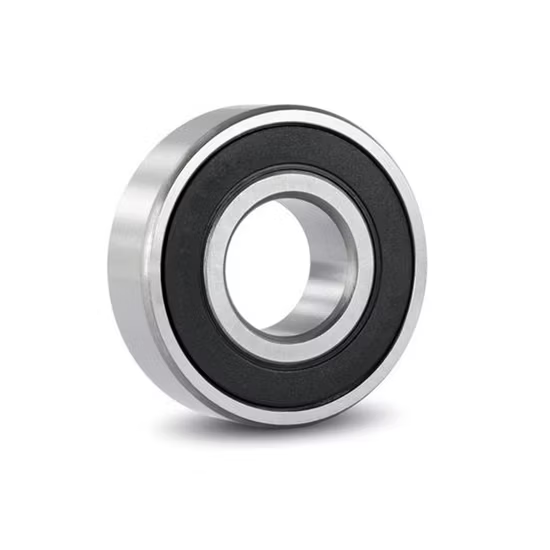
Koyo 6309 Deep Groove Ball Bearing
Traceable Koyo factory batches — Every Koyo 6309 deep groove ball bearing we supply includes verifiable lot documentation linked directly to the manufacturer's production facilities.
| Parameter | Value |
|---|---|
| Designation | Koyo 6309 |
| Bearing Type | Deep Groove Ball Bearing |
| Seal or Shield Type | Open, ZZ (Iron Shields), 2RS (Rubber Seals) |
| Noise and Vibration Grade | Z1V1, Z2V2, Z3V3, Z4V4 |
| HS Code | 848210 |
| Industry | Typical Applications |
|---|---|
| Electric Motors | Rotor shaft support in industrial AC/DC motors |
| Industrial Gearboxes | High-speed input shafts and intermediate gearing |
| Material Handling | Conveyor drive pulleys and idler roller assemblies |
| Fluid Management | Centrifugal pump impeller shafts |
Visual inspection cannot detect compromised metallurgy in counterfeit deep groove ball bearings.
Sourcing replacement parts outside authorized channels frequently introduces components with soft inner rings and cloned QR codes that easily pass casual visual checks. In high-temperature motor environments, these substandard rings deform under radial loads, causing the inner race to spin on the shaft. This fretting corrosion destroys the expensive motor shaft long before the bearing itself shows traditional fatigue spalling . Procurement teams often focus solely on the base designation, overlooking the critical need for authorized supply chains that guarantee proper heat treatment and dimensional stability.
Selecting the correct sealing configuration for a Koyo 6309 deep groove ball bearing requires balancing contamination exclusion against friction heat generation. Open variants suit clean, oil-lubricated gearboxes where external filtration manages particulate ingress. ZZ iron shields provide non-contact protection for high-speed motor shafts, minimizing friction while blocking larger debris. For conveyors or pumps exposed to moisture and fine dust, 2RS rubber seals offer superior contact sealing, though they introduce slightly higher torque limits that must be factored into the motor's thermal management strategy.
Electric motor applications subject bearings to rapid temperature gradients that directly impact internal clearance and lubricant viability. If standard CN clearance is installed where C3 is required for thermal expansion, the bearing will bind and overheat as the shaft expands faster than the housing . Furthermore, 2RS sealed variants are lubricated for life; attempting to re-grease them in the field destroys the seal lips and introduces contaminants. Understanding the specific operating temperature range and load profile is essential to prevent premature cage failure or thermal seizure.
The Z1V1 through Z4V4 noise and vibration classifications dictate the operational smoothness required for specific machinery. While Z1V1 suffices for heavy material handling conveyors, precision electric motors demand Z3V3 or Z4V4 grades to prevent resonant vibrations that degrade surrounding components. Equally critical is distinguishing between ZZ and 2RS suffixes during cross-referencing. A ZZ shielded bearing installed in a wet pump environment will fail rapidly due to water ingress, just as a 2RS sealed bearing in a high-speed spindle will overheat from excessive rubber lip friction.
Overlooking suffix accuracy during procurement leads to catastrophic downstream consequences that extend far beyond the cost of a replacement part. Installing an open bearing in a dusty conveyor application results in rapid abrasive wear, causing unplanned downtime that halts entire production lines. Similarly, ignoring clearance requirements in high-temperature gearboxes triggers thermal binding, leading to catastrophic damage to the housing and adjacent gears. These failures consistently void equipment warranties and inflate maintenance budgets through secondary component replacements .
Our procurement process eliminates the risk of receiving counterfeit bearings by maintaining strict authorization across all major international brands, allowing mixed-brand orders to be fulfilled from verified stock. We prevent cross-reference errors by matching clearance, cage material, and seal types rather than just the base designation, ensuring a 2RS requirement isn't accidentally swapped for a ZZ variant. Every shipment includes full batch traceability to the manufacturer, supported by QR verification through official mobile apps. Our technical team reviews application parameters like load, speed, and temperature to validate selections before dispatch, preventing field failures caused by incorrect internal designs.
To ensure optimal performance and longevity, we require specific operational parameters before finalizing your order. Please share your radial and axial load profiles, operating speeds, and ambient temperature ranges so our engineering team can verify the L10 life and confirm the correct internal clearance class. If you are replacing existing components, provide the OEM equipment numbers or original part designations for a comprehensive cross-reference check. This technical review guarantees that the selected sealing configuration and vibration grade perfectly align with your specific application requirements.
Q: How can I verify the authenticity of the Koyo 6309 deep groove ball bearing using official apps?
A: Every genuine bearing we supply features a unique QR code linked to the manufacturer's database. Simply scan this code using the official Koyo mobile application to instantly verify the production batch, origin, and authenticity. This digital traceability ensures you receive original components, completely eliminating the risk of installing counterfeits with compromised metallurgy or cloned visual markers.
Q: What are the common cross-reference pitfalls regarding clearance and seal suffixes for this designation?
A: The most frequent error occurs when suppliers match only the base 6309 number while ignoring critical suffixes. Substituting a standard CN clearance for a required C3 in high-temperature motors causes thermal binding. Similarly, confusing ZZ iron shields with 2RS rubber seals leads to rapid failure in wet environments or excessive friction in high-speed applications. We verify every suffix against your specific operational requirements.
Q: How do I choose between Open, ZZ, and 2RS configurations for my specific machinery?
A: Open bearings are ideal for clean, oil-lubricated gearboxes requiring minimal friction. ZZ iron shields offer non-contact protection for high-speed electric motors where heat generation must be minimized. 2RS rubber seals provide maximum contamination exclusion for conveyors and pumps exposed to dust and moisture, though they introduce slightly higher torque limits. Selecting the right option depends entirely on your environmental exposure and speed requirements.
Q: What do the Z1V1 to Z4V4 noise and vibration levels mean for electric motor applications?
A: These grades classify the acoustic and vibrational smoothness of the bearing during rotation. Lower grades like Z1V1 are sufficient for heavy, low-speed material handling equipment. However, precision electric motors and sensitive household appliances require Z3V3 or Z4V4 grades to prevent resonant vibrations that can degrade surrounding components and create unacceptable operational noise levels during continuous duty cycles.
Our 5-step process ensures every order is engineered, validated, and supported for optimal performance.
Technical needs assessment
Custom specifications
Free samples for $50k+
Pre-shipment inspection
On-site & predictive
Our certified engineers respond within 24 hours with detailed technical specifications, pricing, and lead time information.