01
Consultation
Technical needs assessment


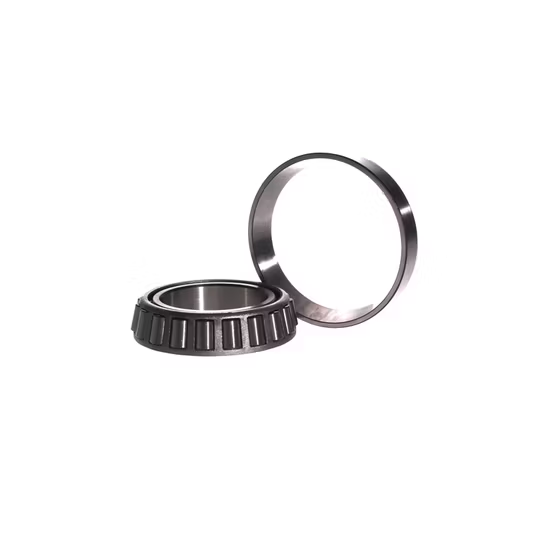
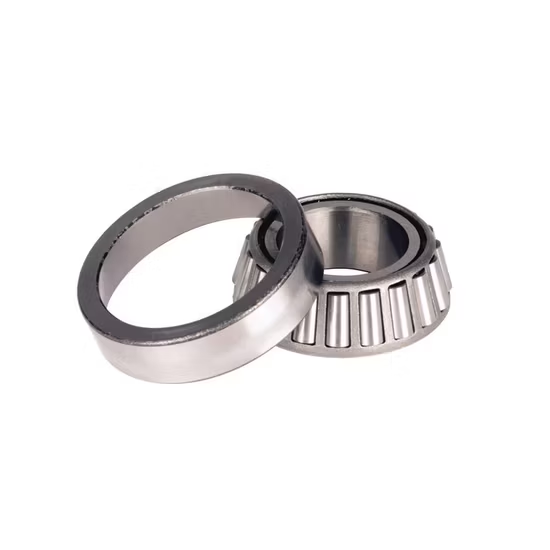
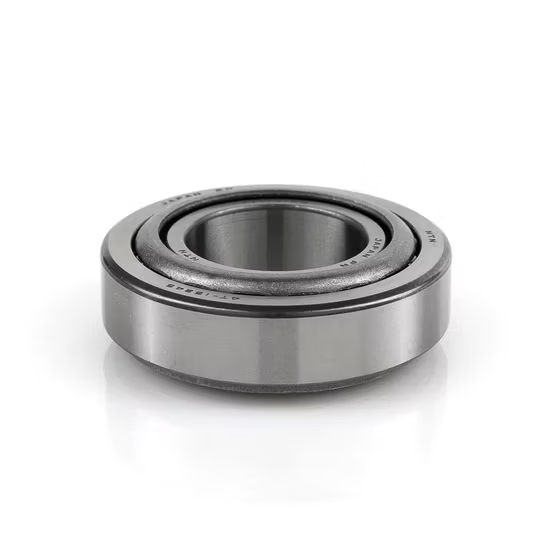

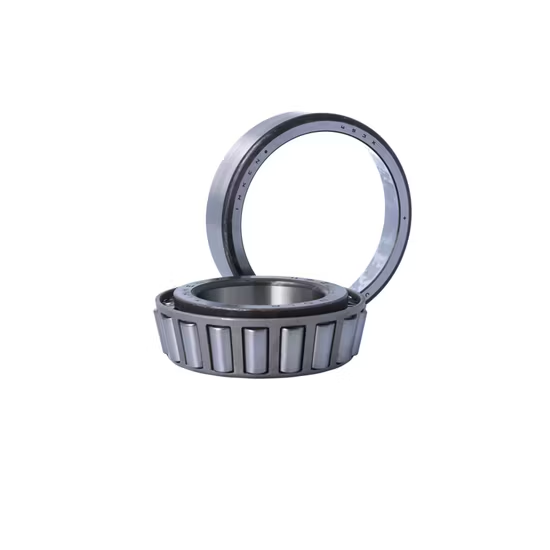
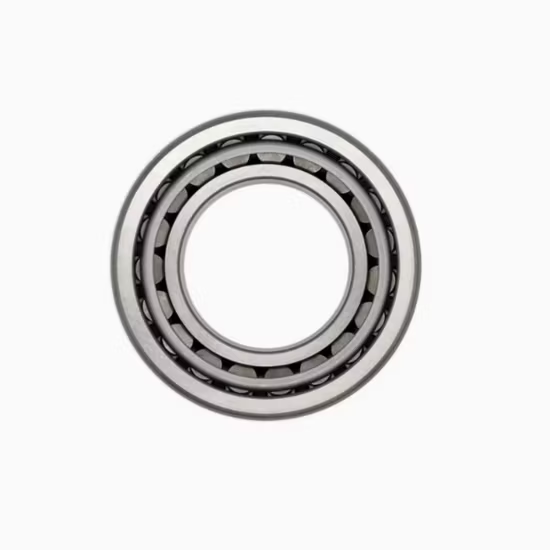
30209 30210 Tapered Roller Bearing P4 — single row structure optimized for combined radial and axial loads in industrial gearboxes and automotive hubs.
Full Batch Traceability — Every 30209 30210 tapered roller bearing ships with manufacturer lot documentation to guarantee supply chain transparency and authenticity.
| Parameter | Value |
|---|---|
| Designation | 30209 30210 |
| Bearing Type | Tapered Roller Bearing |
| Number of Rows | Single Row |
| Precision Class | P4 |
| Cage Material | Nylon, Brass, or Iron options |
| Material | Gcr15 bearing steel |
| Origin | Germany, Japan, Sweden, Malaysia, or China |
| Industry | Typical Applications |
|---|---|
| Automotive & Heavy Vehicles | Wheel hubs and truck axles managing combined radial and axial forces |
| Industrial Manufacturing | Gearbox shafts and reduction drives requiring tight rotational accuracy |
| Marine & Construction | Marine propulsion drives and heavy building material processing equipment |
Thermal expansion mismatches and improper heating methods destroy internal clearances long before material fatigue sets in.
Procurement teams often assume that matching the base number guarantees a drop-in replacement, yet field failures frequently stem from overlooked internal design variations. I have witnessed firsthand how a standard clearance setup seizes completely under elevated operating temperatures because the thermal expansion of the shaft was never factored into the initial selection. . When maintenance crews resort to direct flame heating instead of controlled induction, the localized thermal shock alters the metallurgical structure, leaving the raceways vulnerable to rapid spalling and premature cage deformation.
Selecting the right configuration requires looking beyond the basic designation to evaluate the specific load spectrum and thermal environment of the gearbox. Our technical review process ensures that the selected 30209 30210 tapered roller bearing aligns perfectly with the OEM requirements for cage material and internal geometry. This prevents the all-too-common scenario where a component passes visual inspection but fails catastrophically under dynamic operational stresses.
Gearbox environments subject components to complex combined loads where radial forces intersect with significant axial thrust from helical gear meshes. Operating temperatures fluctuate based on ambient conditions and internal friction, directly impacting the lubricant film thickness and the effective internal clearance. If the initial clearance is too tight, thermal expansion of the shaft and housing will eliminate the internal play, leading to excessive friction and heat generation. . Proper lubrication selection and controlled mounting practices are therefore just as critical as the physical dimensions of the component itself.
The P4 precision class dictates tighter dimensional and running accuracy tolerances, which is essential for minimizing vibration and maintaining gear mesh alignment in high-speed industrial gearboxes. While the base designation defines the outer envelope, the internal execution relies heavily on the cage material. Nylon cages offer low friction and quiet operation at moderate temperatures, brass cages provide superior durability under high vibration and heavy loads, and iron cages serve as a cost-effective alternative for standard applications. Selecting the appropriate cage variant ensures the component survives the specific dynamic forces present in your machinery without suffering from cage fatigue or guided surface wear.
Ignoring precise mounting protocols inevitably leads to unplanned downtime and catastrophic damage to adjacent gearbox components. I recall a critical repair on a high-temperature fan where direct flame heating warped the cage and annealed the raceway, rendering the assembly useless within hours. . Such installation errors void warranties and force complete teardowns, proving that the true cost of a replacement is rarely just the price of the part itself.
Mixed-brand orders often result in cross-reference errors where the base number matches, but the internal clearance or cage material differs from the original equipment specification. We verify every 30209 30210 tapered roller bearing against the exact application parameters to prevent thermal binding in the field. Our authorized distribution channels provide complete batch traceability, ensuring you receive genuine components rather than counterfeits with cloned markings. Furthermore, we supply comprehensive dimensional and running accuracy inspection reports to validate the P4 precision before the items ever reach your facility.
To ensure precise application matching, please provide the specific radial and axial load profiles, operating speeds, and expected temperature ranges for your gearbox. Supplying the original OEM equipment numbers allows our engineering team to perform a thorough cross-reference review and verify the exact clearance and cage requirements. This technical validation ensures the selected components deliver reliable performance and extended service intervals in your specific operating environment.
Q: How can I verify the authenticity and precision of the received components?
A: Every unit is supplied with batch traceability documentation and supports QR verification through the manufacturer's official application. Additionally, we provide a detailed dimensional and running accuracy inspection report that confirms the P4 precision tolerances before shipment, ensuring the components meet the strict requirements for industrial gearbox applications.
Q: Why is it critical to align cage material and clearance during cross-referencing?
A: Matching only the base number often overlooks internal variations that cause field failures. A standard clearance might seize under high thermal expansion, while an incorrect cage material could fail under heavy vibration. We review the exact operating conditions to ensure the internal geometry perfectly matches the OEM specifications, preventing premature wear and thermal binding.
Q: What are the recommended mounting practices to avoid damaging the internal geometry?
A: Controlled induction heating is strictly recommended over direct flame heating, which can warp the cage and anneal the Gcr15 steel raceways. Maintaining precise temperature control during installation preserves the P4 precision tolerances and prevents the internal clearance from collapsing, ensuring reliable operation once the gearbox is brought online.
Q: How do different cage materials affect performance in industrial gearboxes?
A: Nylon cages reduce friction and noise at moderate speeds, while brass cages offer superior strength and durability under high vibration and heavy combined loads. Iron cages provide a reliable standard option. Selecting the correct material based on your specific thermal and dynamic environment is essential for maximizing the service life of the assembly.
Our 5-step process ensures every order is engineered, validated, and supported for optimal performance.
Technical needs assessment
Custom specifications
Free samples for $50k+
Pre-shipment inspection
On-site & predictive
Our certified engineers respond within 24 hours with detailed technical specifications, pricing, and lead time information.