01
Consultation
Technical needs assessment


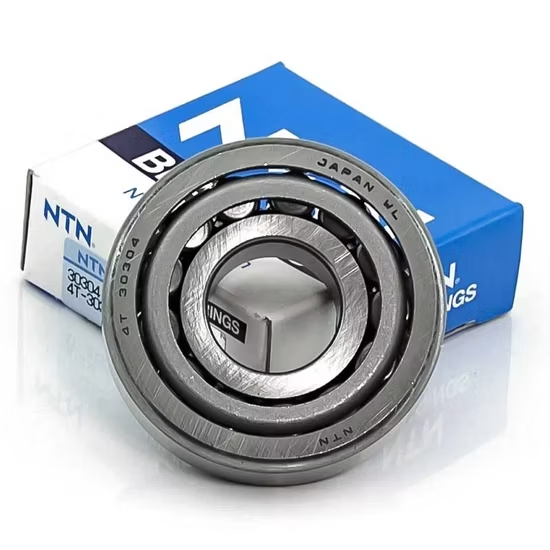
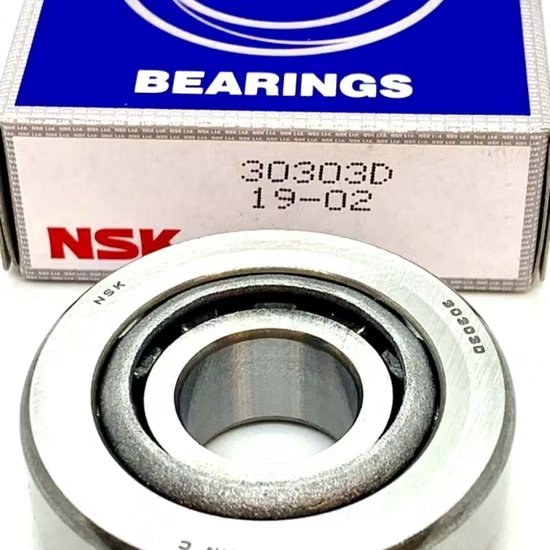
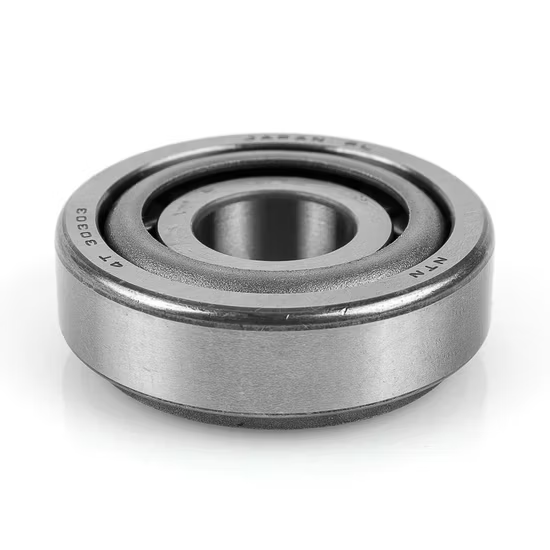


33118 Tapered Roller Bearing P4 — manufactured from GCr15 bearing steel to deliver reliable wear resistance for wind turbine gearboxes and heavy industrial machinery.
Full Batch Traceability — Every 33118 tapered roller bearing ships with manufacturer lot tracking and verifiable QR documentation.
| Parameter | Value |
|---|---|
| Designation | 33118 |
| Bearing Type | Tapered Roller Bearing |
| Precision Class | P4 |
| Material | GCr15 bearing steel |
| Cage Material | Nylon, brass, or iron options available |
| Customization | Available upon request |
| Industry | Typical Applications |
|---|---|
| Wind Power | Main shaft support and planetary gear stages in wind turbines |
| Manufacturing Plants | Heavy-duty material handling drives and conveyor pulleys |
| Machinery | Industrial gearboxes and primary crushing equipment |
Exact internal geometry and clearance alignment prevent thermal binding under heavy combined loads.
Sourcing a replacement based solely on the base designation often leads to catastrophic thermal seizure when the internal clearance does not match the operating temperature profile. I have seen this exact failure mode in Latin American wind farms, where a standard clearance 33118 tapered roller bearing locked up completely because the heat generated by the gearbox exceeded the thermal expansion limits of the basic design. Cross-referencing must account for the specific precision class and internal geometry required for high-load, high-temperature environments to avoid unplanned downtime .
Selecting the correct 33118 tapered roller bearing requires looking beyond the outer dimensions to evaluate how the P4 precision class handles the complex load profiles of a wind turbine drivetrain. Tighter dimensional and running accuracy ensure that the rollers maintain optimal contact with the raceways under shifting wind loads, reducing edge stress and micro-pitting. Our technical review process ensures the selected configuration aligns perfectly with your specific gearbox or main shaft requirements.
Wind turbine gearboxes experience significant temperature gradients that directly impact internal clearance and lubricant film thickness. If the clearance class is too tight for the operating heat, the bearing will preload itself and seize; if too loose, the rollers will skid and damage the raceways. Proper lubrication intervals and selecting the right cage material are critical to managing friction heat and preventing contamination ingress in these exposed, high-vibration environments .
The P4 precision rating dictates strictly controlled dimensional tolerances, which is essential for maintaining smooth rotation and minimizing vibration in high-speed or heavily loaded setups. The GCr15 bearing steel construction provides the necessary core toughness and surface hardness to resist wear over extended service periods. Depending on the specific speed and vibration profile of your machinery, the cage material can be selected from nylon, brass, or iron options to optimize friction characteristics and structural integrity under dynamic loads.
Installing a bearing without verifying the exact clearance and precision requirements inevitably leads to premature failure and catastrophic damage to surrounding housing components. When thermal expansion eliminates the internal operating clearance, the resulting friction generates excessive heat, rapidly degrading the lubricant and scoring the raceways. This type of failure voids equipment warranties and forces extended turbine shutdowns, far exceeding the initial cost of a correctly specified component .
Mixed-brand requirements are handled seamlessly through our authorized distribution network, ensuring every 33118 tapered roller bearing is sourced directly from the manufacturer's production facilities. We prevent cross-reference errors by verifying not just the base number, but the exact precision class and cage material required for your specific application. Every shipment includes batch traceability, eliminating the risk of receiving counterfeits with soft inner rings that fail under heavy loads. Our application-based selection review guarantees the internal design matches your wind turbine or gearbox parameters.
To ensure the selected configuration matches your exact operational demands, please provide the radial and axial load profiles, operating speeds, and expected temperature ranges for your machinery. Sharing the specific OEM equipment number allows our engineering team to perform a precise cross-reference check, verifying that the internal clearance and precision class align with the original design parameters for optimal L10 life calculation.
Q: How do I verify the authenticity of the 33118 tapered roller bearing using official tools?
A: Every unit we supply includes a unique QR code linked to the manufacturer's official verification application. Scanning this code confirms the production batch, material specifications, and origin, effectively eliminating the risk of installing counterfeits with substandard inner ring hardness that frequently fail under heavy wind turbine loads.
Q: Why must cross-referencing include internal design and precision, not just the base number?
A: Matching only the base designation ignores critical factors like the P4 precision class and specific cage material options required for your application. Overlooking these details often results in thermal binding or cage failure when the bearing operates under the high temperatures and combined loads typical of industrial gearboxes.
Q: How do I choose the correct cage material for specific operating temperatures?
A: The choice between nylon, brass, or iron cages depends on the thermal and vibrational profile of your equipment. Brass offers superior durability in high-vibration, high-temperature environments, while engineered nylon reduces friction and weight. We evaluate your specific operating conditions to recommend the optimal material option for extended service life.
Q: What mounting practices are recommended to protect the P4 precision class?
A: Maintaining the tight tolerances of a P4 bearing requires careful handling and proper installation techniques. We recommend using controlled induction heating for the inner ring to achieve the necessary expansion without altering the metallurgical properties of the GCr15 steel, ensuring the bearing seats perfectly against the shaft shoulder without inducing internal stress.
Our 5-step process ensures every order is engineered, validated, and supported for optimal performance.
Technical needs assessment
Custom specifications
Free samples for $50k+
Pre-shipment inspection
On-site & predictive
Our certified engineers respond within 24 hours with detailed technical specifications, pricing, and lead time information.

