01
Consultation
Technical needs assessment

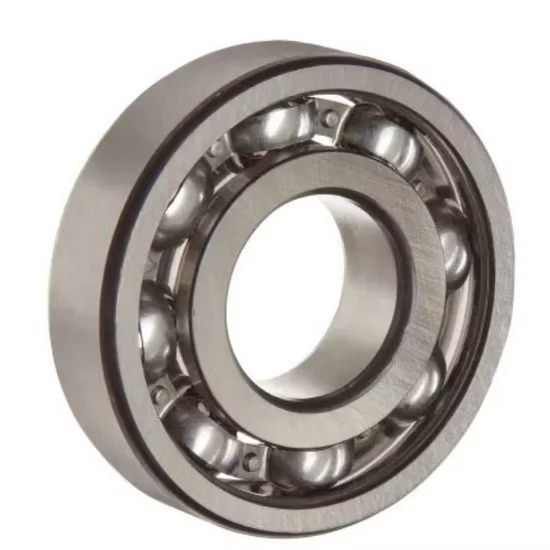


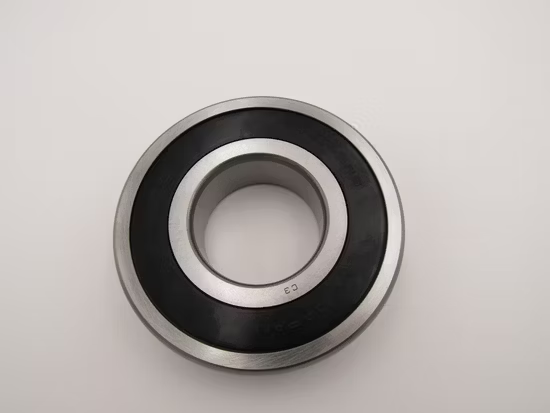
6203 Deep Groove Ball Bearing — designed for electric motors, pumps, and industrial gearboxes.
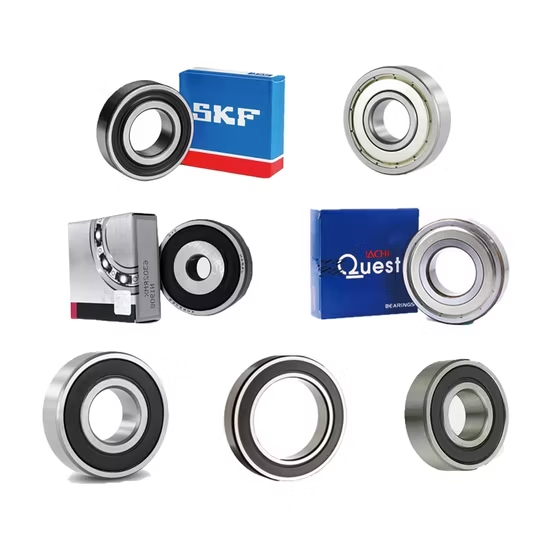
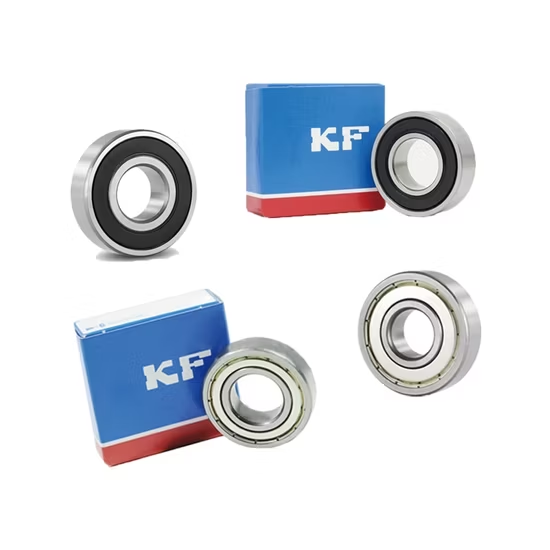
Multi-Brand Authorized Coverage — Source the base 6203 and its sealed variants from SKF, NSK, or NTN in a single consolidated shipment without juggling multiple vendors.
| Parameter | Value |
|---|---|
| Designation | 6203 |
| Bearing Type | Deep Groove Ball Bearing |
| Seal or Shield Type | Open, Rubber Seals, Iron Seals |
| Noise and Vibration Level | Z1V1, Z2V2, Z3V3, Z4V4 |
| Origin | Germany, Japan, Sweden, Malaysia, China |
| HS Code | 848210 |
| Industry | Typical Applications |
|---|---|
| Electric Motors | Rotor shaft support in high-frequency vibration environments |
| Industrial Gearboxes | High-speed input shaft bearings requiring low noise |
| Material Handling | Conveyor pulley idlers exposed to continuous dust |
| Pumps | Impeller shaft support requiring moisture protection |
Matching the base number is never enough; ignoring internal clearance and cage design guarantees field failure.
In the Pearl River Delta manufacturing hub, I have seen procurement teams treat the 6203 deep groove ball bearing as a universal plug-and-play component. One motor manufacturer sourced standard open variants with pressed steel cages for a high-frequency vibration application, ignoring the need for specialized clearance and cage materials. The result was early cage fracture and catastrophic unplanned downtime. When cross-referencing, buyers often fixate on the bore and outer diameter while overlooking the thermal expansion requirements of the specific motor housing .
Sourcing the correct 6203 deep groove ball bearing requires looking beyond the catalog number to evaluate the actual operating environment. We review your specific radial loads, rotational speeds, and ambient temperatures to recommend the precise seal type and internal geometry. This application-based selection ensures the component survives the exact conditions of your electric motors or gearboxes, rather than just fitting the shaft physically.
Electric motors generate significant internal heat, meaning a standard internal clearance will quickly vanish as the inner ring expands, leading to destructive preload and thermal binding. Conversely, conveyor pulleys in material handling face relentless dust ingress, where open designs fail rapidly without proper shielding. Selecting between rubber seals for moisture exclusion and iron shields for high-speed, low-friction operation dictates the operational lifespan . Furthermore, high-speed pump applications demand strict noise and vibration limits, making Z3V3 or Z4V4 classifications essential to prevent resonant fatigue in the surrounding housing.
The base 6203 designation indicates a standard deep groove geometry with normal internal clearance and standard precision, which is entirely inadequate for precision spindles or high-temperature motor windings. Engineers must specify C3 clearance to accommodate thermal expansion in continuous-duty electric motors, preventing the rolling elements from skidding. For applications requiring strict acoustic limits, specifying Z2V2 or higher vibration grades ensures the internal raceway honing meets the stringent requirements of quiet household appliances. The choice between rubber seals and iron shields ultimately balances the need for absolute contamination exclusion against the friction heat generated at higher rotational speeds.
Substituting a standard variant where a C3 clearance was specified leads to immediate thermal binding once the motor reaches operating temperature, resulting in catastrophic damage to the winding and shaft. Installing an open bearing in a dusty conveyor environment guarantees rapid abrasive wear, causing premature failure and voiding the equipment warranty. These interchange errors, where the outer dimensions match but the internal design differs, are a primary driver of unplanned downtime across general MRO operations .
We maintain authorized distribution agreements across all major international brands, allowing you to consolidate mixed-brand requirements into a single, traceable order. Our cross-reference process strictly aligns the seal type, internal clearance, and cage material, ensuring the replacement matches the OEM intent rather than just the basic dimensions. Every shipment includes batch traceability back to the manufacturer's production facilities, verified through official brand applications to eliminate the risk of soft inner rings and cloned QR codes.
To ensure optimal performance, please provide your exact radial and axial load profiles, operating speeds, and thermal conditions for a comprehensive L10 life calculation. If you are replacing an existing component, share the OEM equipment number or the exact suffix string from the old part so our engineering team can execute a precise cross-reference review. This technical validation guarantees the selected variant perfectly matches your application's mechanical and environmental demands.
Q: Why must clearance and seal suffixes be matched during cross-referencing?
A: Matching only the base dimensions ignores critical internal geometry. A standard clearance will cause thermal binding in hot motor applications, while the wrong seal type introduces excessive friction or allows contamination. We verify all suffixes to ensure the replacement handles your specific thermal and environmental loads without premature failure.
Q: What is the operational boundary between rubber seals and iron shields in motors?
A: Rubber seals provide superior protection against moisture and fine dust but generate higher friction, limiting maximum speed. Iron shields offer non-contact protection suitable for high-speed, low-torque motor applications where friction heat must be minimized. We evaluate your specific speed and contamination profile to recommend the optimal configuration.
Q: How do you identify counterfeit bearings with cloned QR codes?
A: Counterfeiters often clone basic QR codes that link to generic websites. We provide genuine components with batch-specific traceability that must be verified through the manufacturer's official proprietary applications. This direct digital handshake confirms the metallurgical origin and authenticates the specific production lot.
Q: When should C3 clearance be specified over standard CN for this designation?
A: Standard CN clearance is suitable for ambient temperature applications with minimal thermal gradients. C3 clearance is mandatory when the inner ring operates significantly hotter than the outer housing, such as in continuous-duty electric motors, providing the necessary thermal expansion gap to prevent destructive internal preload and skidding.
Q: What is the correct heating temperature for mounting the open variant?
A: When using induction heating for open variants, the temperature must be strictly controlled and never exceed the thermal limit of standard bearing steel or the specific cage material. Overheating alters the metallurgical structure and reduces hardness, leading to rapid raceway spalling under operational loads.
Our 5-step process ensures every order is engineered, validated, and supported for optimal performance.
Technical needs assessment
Custom specifications
Free samples for $50k+
Pre-shipment inspection
On-site & predictive
Our certified engineers respond within 24 hours with detailed technical specifications, pricing, and lead time information.