01
Consultation
Technical needs assessment

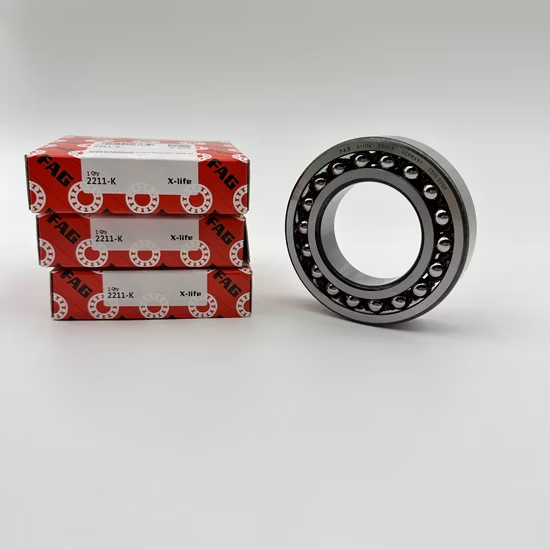
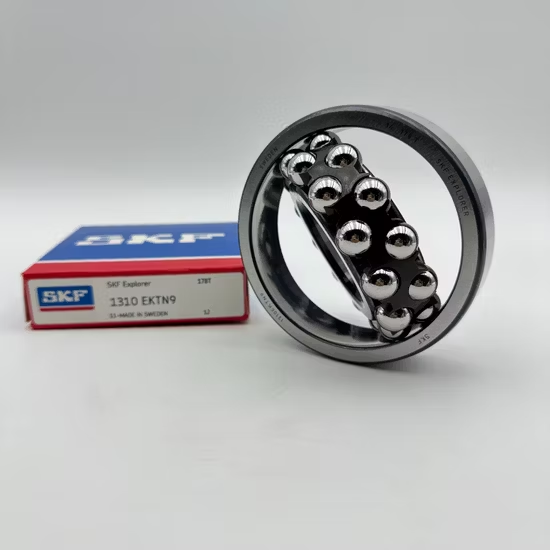
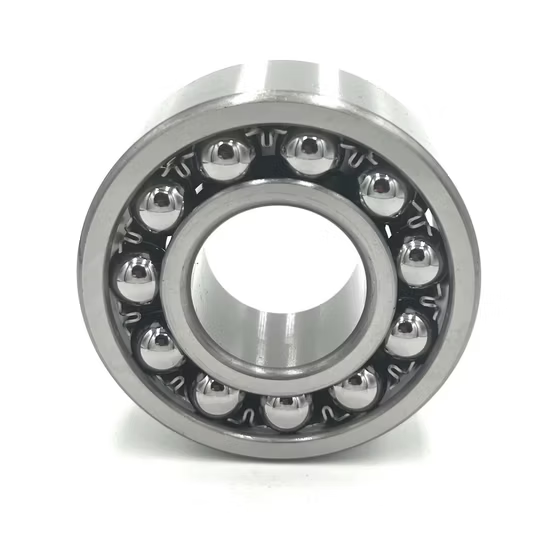
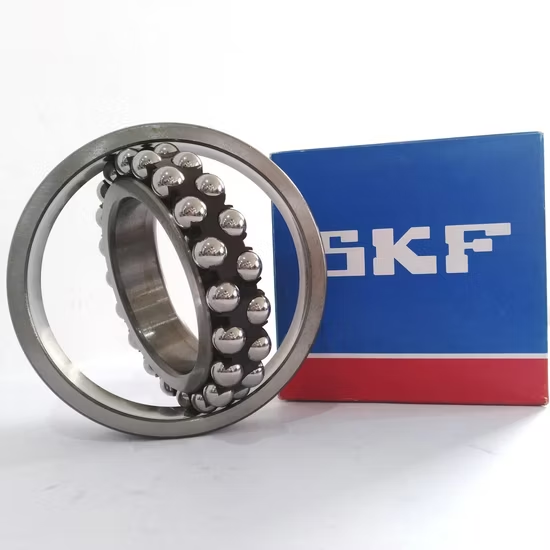
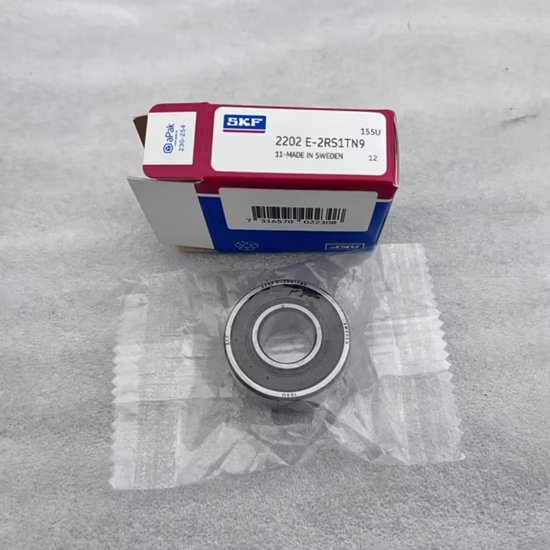
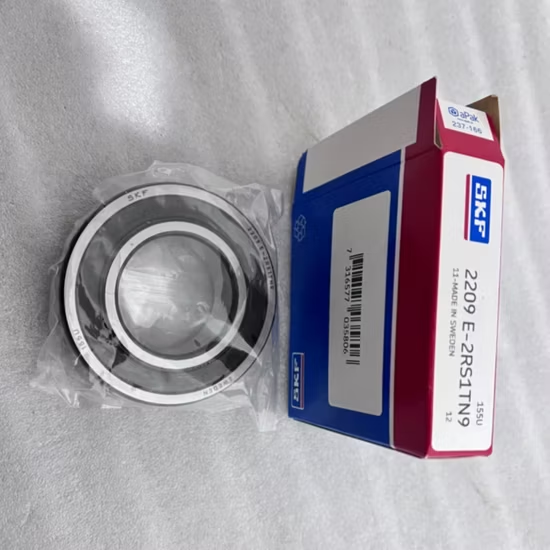
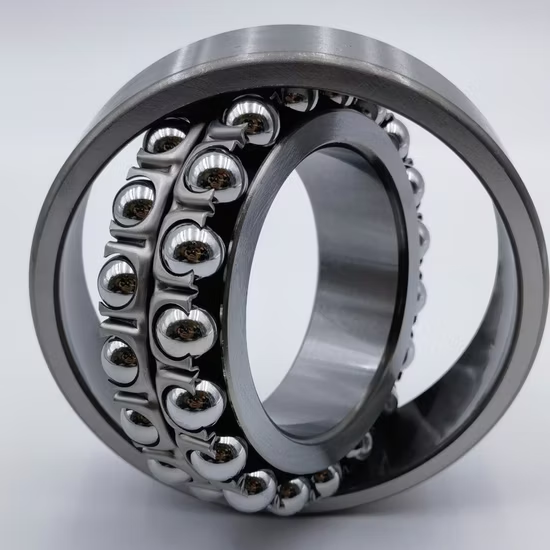
2206 E-2RS1tn9 Self-Aligning Ball Bearing features double contact seals for effective contamination exclusion and grease retention. The glass fibre reinforced polyamide cage ensures reduced friction during high-speed operation, while the optimized internal design improves load capacity.
Three-Way Suffix Alignment — Cross-referencing the 2206 E-2RS1tn9 requires matching the base number, double contact seals, and polyamide cage simultaneously to prevent field failures.
| Parameter | Value |
|---|---|
| Designation | 2206 E-2RS1tn9 |
| Bearing Type | Self-Aligning Ball Bearing |
| Bearing Style | Open, Rubber Seals, Iron Seals |
| Internal Design | Optimized / Reinforced (E) |
| Seal Type | Double Contact Seal (2RS1) |
| Cage Material | Glass Fibre Reinforced Polyamide (tn9) |
| Origin | Germany / Japan / Sweden / Malaysia / China |
| HS Code | 848210 |
| Industry | Typical Applications |
|---|---|
| Electric Motors | Rotor shaft support in high-vibration motor assemblies |
| Industrial Gearboxes | Input and output shaft alignment in enclosed gear drives |
| Agricultural Machinery | Conveyor drive rollers and harvesting equipment pivot joints |
| Material Handling | Belt conveyor idler pulleys and transfer cart wheel axles |
A base number match is never enough when the cage and seal suffixes differ.
Procurement teams frequently approve cross-references that align the 2206 base designation but overlook critical suffixes, substituting a standard steel cage for the required glass fibre reinforced polyamide design. In high-vibration environments, this mismatch leads to rapid cage fatigue and early structural断裂. I have traced numerous field failures back to these exact documentation oversights, where the wrong seal type also allowed abrasive dust to breach the bearing interior . Securing the exact 2206 E-2RS1tn9 self-aligning ball bearing prevents these catastrophic downtime events.
Sourcing the correct 2206 E-2RS1tn9 self-aligning ball bearing ensures the equipment maintains operational stability under moderate radial loads and minor shaft misalignments. Our technical team verifies that the polyamide cage and double contact seals align perfectly with the specific rotational speeds and environmental contamination levels of your application. This rigorous validation prevents the premature wear commonly seen when generic alternatives are installed without suffix verification.
Shaft deflection in material handling and agricultural equipment introduces continuous misalignment stresses that demand a true self-aligning capability. Operating temperatures and ambient contamination directly dictate whether the double contact seals can retain grease while excluding abrasive particulates. High-vibration zones require a lightweight cage to minimize centrifugal forces, making the glass fibre reinforced polyamide design essential for longevity. Improper lubrication or seal degradation in these environments rapidly accelerates raceway wear .
The 2206 E-2RS1tn9 self-aligning ball bearing integrates several critical design features to handle specific mechanical demands. The E suffix denotes an optimized internal geometry with reinforced rolling elements, noticeably increasing the dynamic load carrying capacity compared to standard designs. The 2RS1 suffix confirms the presence of double contact rubber seals on both sides, providing excellent protection against dust and moisture while retaining factory-filled grease. Finally, the tn9 suffix specifies a glass fibre reinforced polyamide cage, which operates with lower friction and generates less heat than pressed steel cages, making it ideal for sustained high-speed rotation.
Installing a bearing with an incorrect cage material or seal type inevitably results in unplanned downtime and catastrophic damage to the surrounding housing. When a standard clearance bearing is forced into an application requiring thermal expansion allowances, the resulting thermal binding destroys the raceway. These failures void equipment warranties and trigger expensive emergency maintenance cycles. Adhering strictly to the full designation prevents these compounding financial losses and maintains production continuity.
We eliminate the risk of receiving counterfeit units with soft inner rings by providing full batch traceability for every 2206 E-2RS1tn9 self-aligning ball bearing. Our cross-reference protocols strictly verify the E, 2RS1, and tn9 suffixes simultaneously, ensuring you never receive a mismatched steel-cage variant. We supply authorized inventory across all major international brands, allowing you to consolidate mixed-brand requirements into a single, fully documented shipment. Every unit is backed by application-based selection reviews that account for your specific load, speed, and temperature parameters.
To ensure precise application matching, provide your radial and axial load estimates, operating speeds, and ambient temperature ranges. Sharing the specific OEM equipment number allows our engineering team to perform a thorough cross-reference check against the 2206 E-2RS1tn9. This data enables us to validate the L10 life expectancy and confirm that the polyamide cage and seal configuration suit your exact operating environment.
Q: Why must cross-referencing align the cage and seal suffixes, not just the base number?
A: Matching only the 2206 base number often results in receiving a steel-caged or open bearing. The tn9 polyamide cage is essential for high-speed vibration resistance, while the 2RS1 seals prevent contamination. Ignoring these suffixes leads to rapid cage fatigue and grease washout in the field.
Q: How do I verify the authenticity and batch traceability of this bearing?
A: Every unit we supply includes a Certificate of Conformity and batch traceability documentation. You can scan the manufacturer's QR code using their official mobile app to verify the origin. This process effectively identifies counterfeits with cloned codes or soft inner rings.
Q: What are the selection boundaries between open, rubber sealed, and iron sealed variants?
A: Open bearings require continuous external lubrication and clean environments. The 2RS1 rubber seals provide superior exclusion of fine dust and moisture for maintenance-free operation. Iron shields offer lower friction but less protection against liquid contamination, making the rubber seal ideal for agricultural applications.
Q: Can the 2RS1 sealed variant be relubricated in the field?
A: No, the double contact rubber seals are designed to retain the factory-filled grease and exclude contaminants for the bearing's entire service life. Attempting to force new grease through the 2RS1 lips will rupture the seal structure, allowing abrasive particles to enter and destroy the raceway.
Our 5-step process ensures every order is engineered, validated, and supported for optimal performance.
Technical needs assessment
Custom specifications
Free samples for $50k+
Pre-shipment inspection
On-site & predictive
Our certified engineers respond within 24 hours with detailed technical specifications, pricing, and lead time information.