01
Consultation
Technical needs assessment

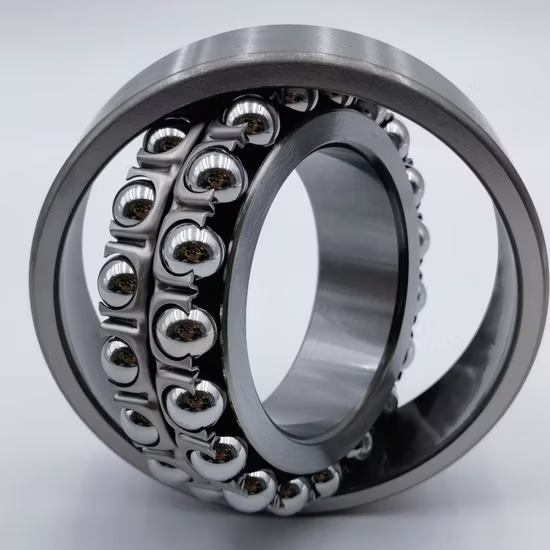
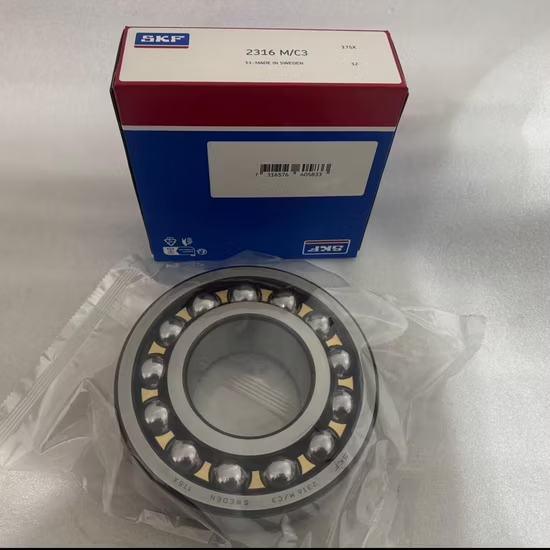


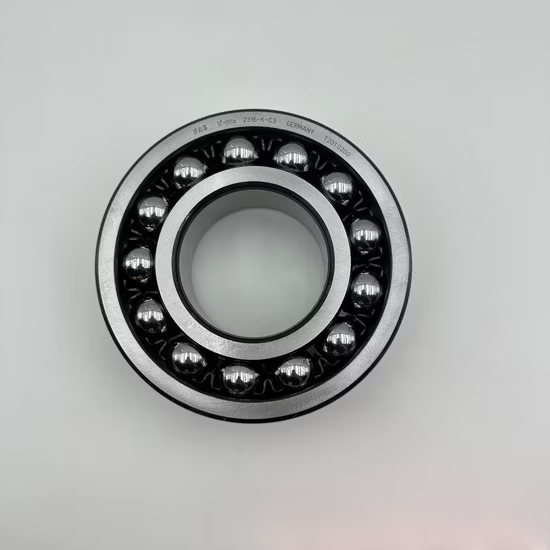
1212 EKTN9/C3 Self-Aligning Ball Bearing — engineered with a 1:12 tapered bore and C3 radial clearance to accommodate thermal expansion.
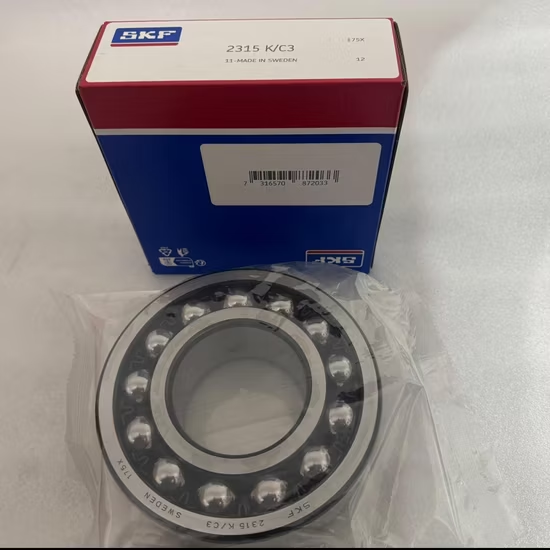
Verified via official app — Every 1212 EKTN9/C3 self aligning ball bearing we supply includes a scannable QR code linked directly to the manufacturer's authentication database.
| Parameter | Value |
|---|---|
| Designation | 1212 EKTN9/C3 |
| Bearing Type | Self-Aligning Ball Bearing |
| Internal Design | Enhanced load capacity (E) |
| Bore Type | Tapered bore, 1:12 taper (K) |
| Cage Material | Glass fiber reinforced polyamide (TN9) |
| Clearance Class | C3 (Greater than Normal) |
| Seal or Shield Type | Open, Rubber Seals, Iron Seals (variants available) |
| Origin | Germany / Japan / Sweden / Malaysia / China |
| Industry | Typical Applications |
|---|---|
| Electric motors | Rotor shafts experiencing minor housing misalignment |
| Industrial gearboxes | Intermediate shafts subject to thermal housing deflection |
| Agricultural machinery | Conveyor drives and harvesting equipment pivot shafts |
| Material handling | Belt conveyor pulley bearings exposed to dust ingress |
Base numbers do not prevent thermal binding.
Procurement teams often approve cross-references that match the 1212 base designation while overlooking the TN9 cage and C3 clearance suffixes. In the high-temperature workshops across the Middle East, I have inspected numerous shattered polyamide cages caused by substituting a standard CN clearance or a brass cage alternative without recalculating the thermal expansion margins. When the internal clearance is consumed by heat, the rolling elements skid, leading to rapid catastrophic failure . Sourcing the exact 1212 EKTN9/C3 self aligning ball bearing ensures the engineered thermal gaps remain intact under continuous operational loads.
The 1212 EKTN9/C3 self aligning ball bearing is engineered to accommodate static and dynamic misalignment between the shaft and housing. By utilizing the glass fiber reinforced polyamide cage, the assembly maintains a lower overall weight compared to brass alternatives, which reduces centrifugal forces on the rolling elements during high-speed rotation. Our technical team reviews your specific load and speed parameters to confirm that this exact suffix combination aligns with your equipment's operational envelope before finalizing the order.
Shafts in material handling and agricultural equipment frequently deflect under uneven radial loads, demanding a bearing that can self-align without generating excessive internal friction. When ambient temperatures rise, standard internal clearances quickly vanish, causing the rolling elements to bind against the raceways. Furthermore, dusty environments accelerate abrasive wear if the bearing operates without adequate external sealing or proper lubrication intervals. Selecting the correct open or sealed variant, paired with the appropriate high-temperature grease, is critical to preventing premature raceway scoring .
The E suffix indicates an optimized internal geometry that maximizes the load-carrying capacity of the raceways. The K designation specifies a 1:12 tapered bore, allowing the bearing to be mounted on a tapered adapter sleeve for precise radial clamping and easy adjustment of the internal clearance during installation. The TN9 cage is molded from glass fiber reinforced polyamide, offering excellent sliding properties and inherent damping characteristics that minimize vibration at elevated speeds. Finally, the C3 clearance class provides the necessary internal radial gap to absorb thermal expansion from the shaft, preventing the dangerous preload conditions that destroy standard clearance bearings in heated gearboxes.
Installing a standard clearance bearing in an application requiring C3 clearance inevitably leads to thermal seizure, resulting in unplanned downtime and severe damage to the surrounding shaft and housing. Substituting the TN9 polyamide cage with an unapproved metallic alternative alters the bearing's dynamic behavior, potentially triggering resonance and accelerated fatigue. These cross-reference errors void manufacturer warranties and force maintenance crews into costly, repetitive rebuild cycles. Adhering strictly to the original equipment manufacturer's suffix requirements is the only reliable way to maintain the designed L10 life .
We maintain active distribution authorizations across all major international bearing brands, allowing you to consolidate mixed-brand requirements into a single, traceable shipment. When cross-referencing the 1212 EKTN9/C3 self aligning ball bearing, our engineers verify that the replacement matches the base number, the C3 clearance, the TN9 cage material, and the K tapered bore simultaneously. We reject shipments with soft inner rings or cloned packaging, relying instead on batch traceability and official verification channels. Our application-based selection review ensures that the chosen suffix combination can withstand your specific load, speed, and temperature conditions.
To ensure the 1212 EKTN9/C3 self aligning ball bearing is the optimal fit for your machinery, please provide your operational parameters, including radial and axial loads, rotational speed, and expected operating temperatures. If you are replacing an existing component, sharing the OEM equipment number allows our engineering team to perform a comprehensive cross-reference check. This technical review guarantees that the selected bearing configuration will deliver reliable service life under your specific environmental conditions.
Q: Why must the C3 clearance and TN9 cage suffixes be matched exactly during cross-referencing?
A: Matching only the 1212 base number while ignoring the C3 clearance can lead to thermal binding when the shaft expands under heat. Similarly, substituting the TN9 polyamide cage with a brass alternative changes the weight and speed limits, potentially causing vibration or cage failure. Exact suffix alignment ensures the thermal gaps and dynamic properties match the original design.
Q: How does the 1:12 tapered bore (K) affect the installation process?
A: The tapered bore requires the use of an adapter sleeve to mount the bearing on a cylindrical shaft. During installation, the locknut is tightened to drive the bearing up the taper, which reduces the internal radial clearance. Installers must measure this drive-up distance or check the residual C3 clearance to prevent over-tightening, which would eliminate the thermal expansion gap.
Q: What are the temperature limitations for the TN9 polyamide cage?
A: Glass fiber reinforced polyamide cages perform excellently under normal operating conditions but have specific thermal limits. At elevated temperatures beyond the polymer's design threshold, the material can lose its structural integrity. For applications involving extreme continuous heat, our engineers can review the operating profile to determine if a metallic cage alternative is necessary.
Q: How can I verify the authenticity of the received bearings?
A: Every genuine bearing we supply features a unique batch code and a scannable QR label. You can verify the authenticity directly by scanning this code using the manufacturer's official mobile application. This process confirms the origin and prevents the installation of counterfeit products with substandard metallurgy or cloned packaging.
Our 5-step process ensures every order is engineered, validated, and supported for optimal performance.
Technical needs assessment
Custom specifications
Free samples for $50k+
Pre-shipment inspection
On-site & predictive
Our certified engineers respond within 24 hours with detailed technical specifications, pricing, and lead time information.