01
Consultation
Technical needs assessment


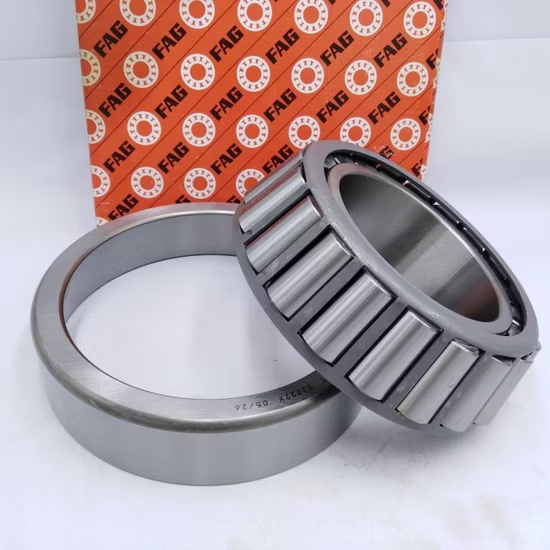
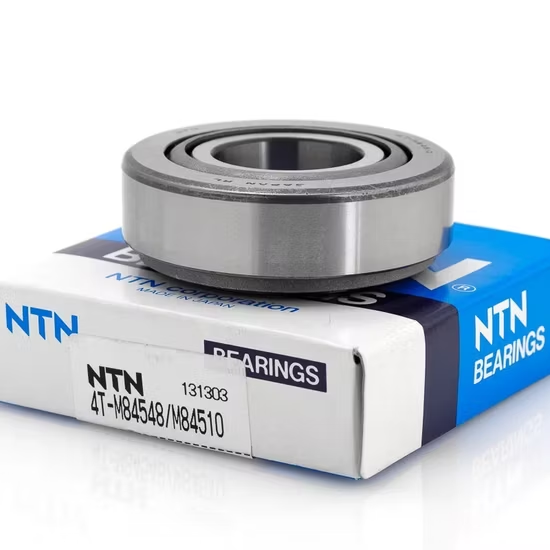
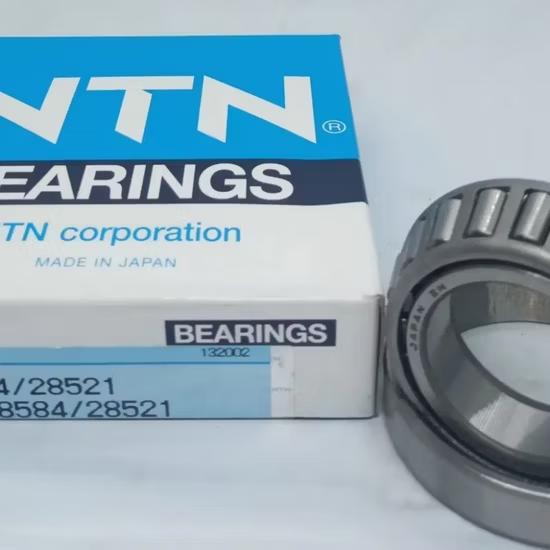


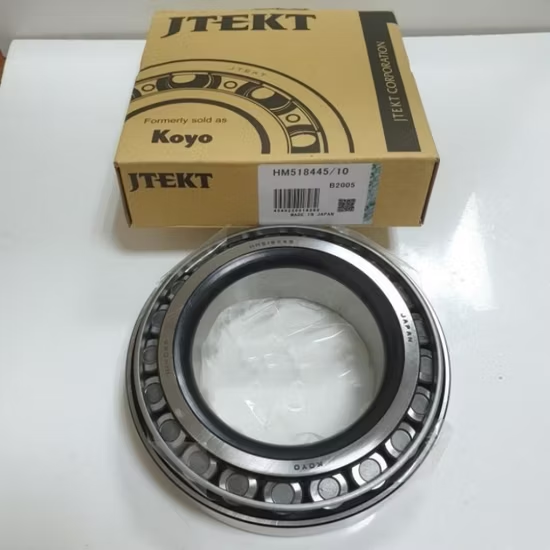
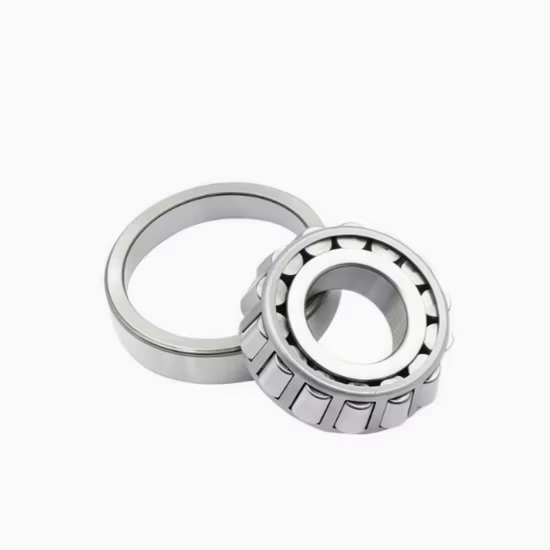
11590/11520 Inch Tapered Roller Bearing P4 — engineered with GCr15 high-carbon chromium steel to deliver optimal hardness and fatigue resistance for heavy-load industrial applications.
Exact Cross-Reference Alignment — We verify base numbers, internal clearances, and precision classes to prevent thermal binding in your 11590/11520 applications.
| Parameter | Value |
|---|---|
| Designation | 11590/11520 |
| Bearing Type | Tapered Roller Bearing |
| Precision Class | P4 |
| Material | GCr15 bearing steel |
| Cage Material Options | Nylon, brass, or iron variants |
| Origin | Germany, Japan, Sweden, Malaysia, or China |
| Industry | Typical Applications |
|---|---|
| Automotive & Heavy Transport | Truck axles and heavy-duty wheel hubs |
| Industrial Manufacturing | Heavy machinery drive systems and industrial gearboxes |
| Construction & Materials | Building material processing equipment and manufacturing plants |
Matching the base designation is never enough when internal clearances and cage materials dictate field survival.
In Latin American heavy transport routes, I have seen countless inch-series tapered roller bearings seize under high temperatures simply because a standard clearance was forced into an application demanding thermal expansion room. Procurement teams often focus strictly on the outer dimensions, overlooking how cage material and precision suffixes alter the internal geometry. This mismatch leads to rapid thermal binding and catastrophic downtime .
When specifying components for truck axles or industrial gearboxes, the 11590/11520 tapered roller bearing must handle significant combined loads. Our technical review ensures the selected cage material and precision class align with your specific rotational speeds and operating temperatures. This application-based selection prevents the premature wear that plagues generic replacements.
Heavy vehicle axles and industrial gearboxes subject inch-series bearings to intense combined radial and axial loads, often accompanied by severe shock impacts. As friction generates heat during continuous operation, insufficient internal clearance restricts lubricant flow and accelerates cage degradation. Selecting the correct cage material becomes critical, as iron or brass variants handle heavy vibrations differently than nylon alternatives. Furthermore, inadequate sealing in dusty building material plants allows abrasive particles to contaminate the grease, drastically shortening the service interval .
Achieving P4 precision in an inch-series tapered roller bearing ensures tighter dimensional and running accuracy compared to standard grades, which is vital for minimizing vibration in high-speed gearboxes. The use of GCr15 high-carbon chromium steel provides the necessary core hardness and fatigue resistance for heavy-load zones. Because operating conditions vary wildly, cage options in nylon, brass, or iron allow engineers to balance speed capabilities against heavy-load durability. Selecting the appropriate cage and verifying the exact internal geometry ensures the bearing withstands the specific thermal and mechanical stresses of the application.
Installing a bearing that matches the base number but ignores internal design requirements inevitably leads to unplanned downtime and premature failure. When clearance is too tight for the operating temperature, thermal expansion eliminates the lubricant film, resulting in catastrophic damage to the raceways. Such failures not only destroy the bearing but can cause severe secondary damage to the surrounding axle or gearbox housing. According to failure analysis frameworks, these specification errors void warranties and force expensive emergency repairs .
Sourcing the 11590/11520 tapered roller bearing through our authorized channels eliminates the risk of receiving counterfeits with soft inner rings that fail under heavy loads. We perform cross-reference alignment that checks not just the base designation, but also verifies the required clearance and precision class for your specific equipment. Every batch includes full traceability back to the manufacturer, ensuring you receive genuine components. This rigorous vetting process guarantees that the internal geometry perfectly matches the demanding requirements of your heavy machinery.
To ensure accurate selection, please share your specific operating parameters, including radial and axial loads, rotational speeds, and expected operating temperatures. Providing the original OEM equipment number allows our engineering team to perform a precise cross-reference check. This technical data enables us to recommend the optimal cage material and clearance class for your application.
Q: How do I verify the authenticity of the 11590/11520 using official apps?
A: Every genuine bearing we supply features a unique QR code linked to the manufacturer's database. By scanning this code with the official brand application on your smartphone, you can instantly verify the batch number, production date, and origin. This digital traceability ensures you are installing authentic components, completely eliminating the risk of cloned counterfeits with substandard metallurgy entering your heavy machinery.
Q: What cross-reference checks are needed beyond the base 11590/11520 designation?
A: Matching the base number is only the first step. We verify the internal clearance class to ensure it accommodates your operating temperature and thermal expansion. We also confirm the precision class and cage material align with your specific load and speed requirements. This comprehensive alignment prevents the thermal binding and premature cage failures that occur when internal specifications are overlooked.
Q: How do I choose between nylon, brass, and iron cages for my application?
A: The choice depends on your specific operating environment. Brass cages offer excellent durability and heat dissipation for heavy-load, high-vibration applications like truck axles. Iron cages provide robust structural support for extreme shock loads in industrial gearboxes. Nylon cages are suitable for applications requiring lower friction and quieter operation at moderate temperatures. Share your operational parameters so we can recommend the optimal material.
Q: Why is P4 precision important for inch-series tapered roller bearings?
A: P4 precision guarantees tighter dimensional and running accuracy compared to standard grades. In high-speed industrial gearboxes or precision heavy machinery, this reduced tolerance minimizes vibration, lowers operating temperatures, and extends the fatigue life of the GCr15 steel components. Specifying P4 precision ensures the bearing maintains optimal load distribution across the rollers, preventing localized stress concentrations that lead to early spalling.
Our 5-step process ensures every order is engineered, validated, and supported for optimal performance.
Technical needs assessment
Custom specifications
Free samples for $50k+
Pre-shipment inspection
On-site & predictive
Our certified engineers respond within 24 hours with detailed technical specifications, pricing, and lead time information.