01
Consultation
Technical needs assessment

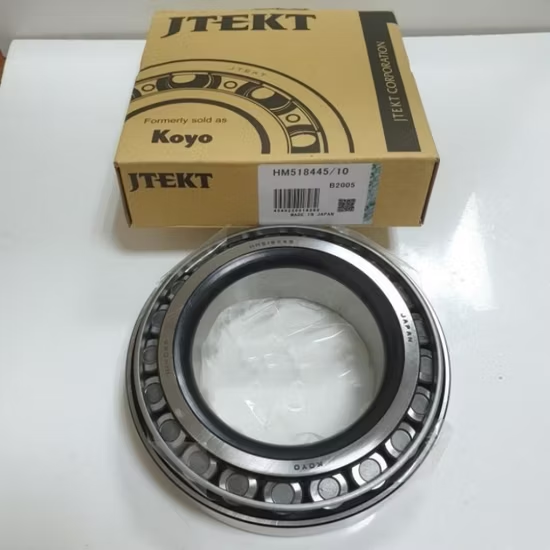
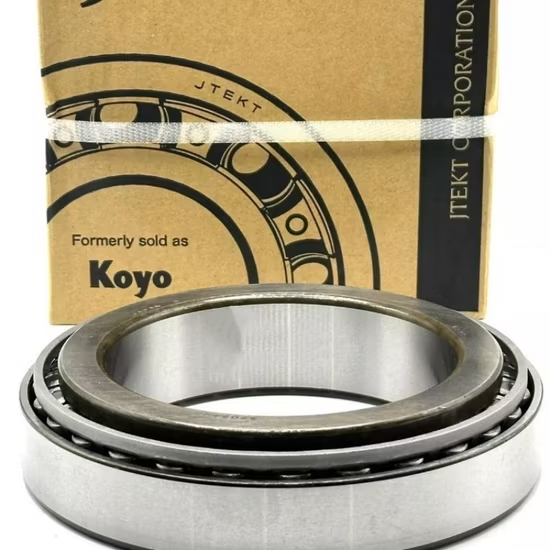
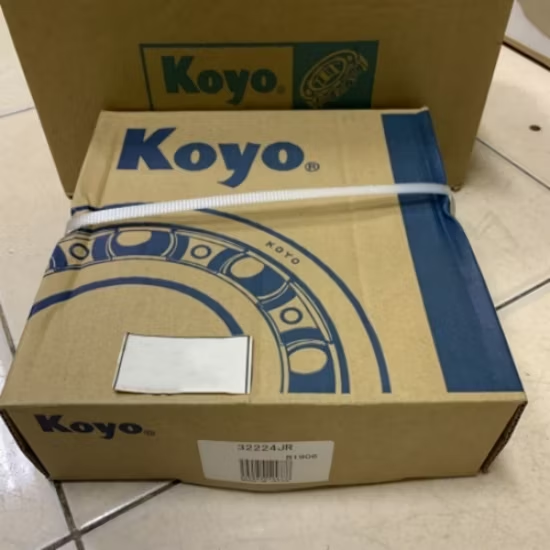
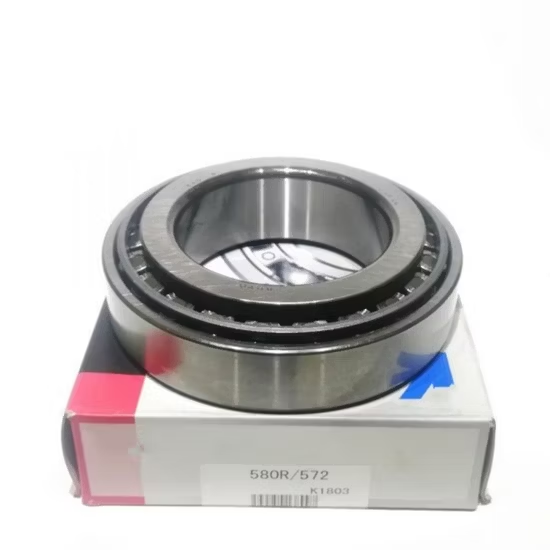
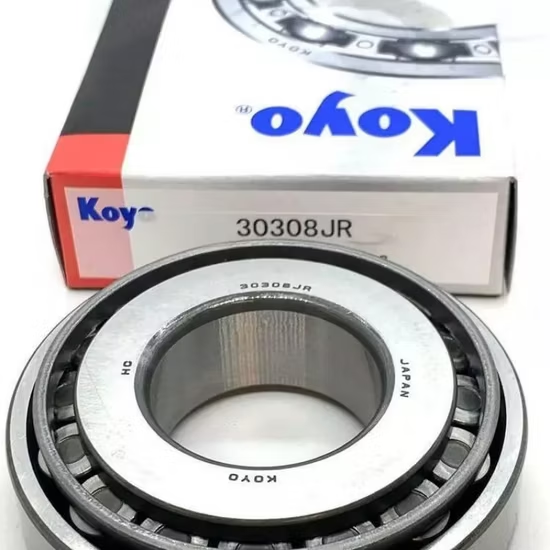
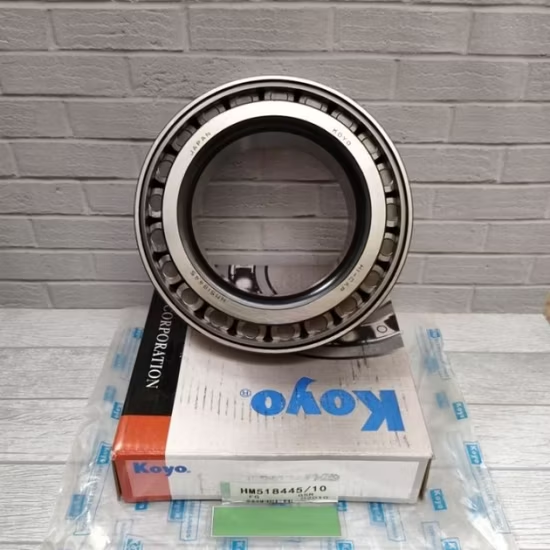
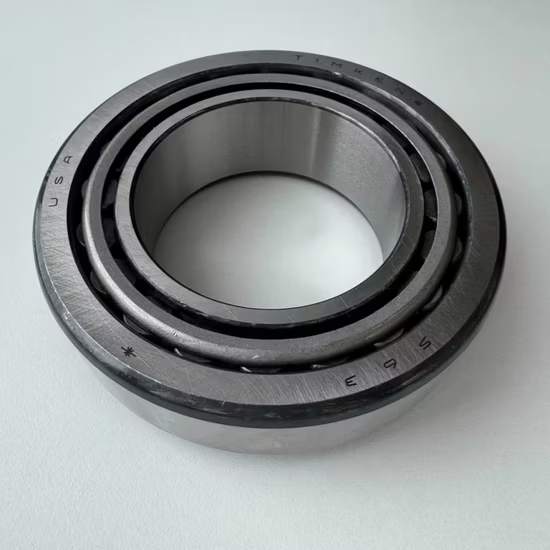
TR104948/10 TR111003 JM207049/10 Tapered Roller Bearing — engineered for automotive wheel hubs and industrial drivetrain assemblies.
Verify authenticity instantly through brand official app QR scanning on every traceable shipment batch.
Unified Multi-Brand Sourcing — Consolidate mixed OEM requirements into a single shipment with authorized distribution across all major international bearing manufacturers.
| Parameter | Value |
|---|---|
| Designation | TR104948/10 TR111003 JM207049/10 |
| Bearing Type | Tapered Roller Bearing |
| Precision Class | P4 |
| Material | GCr15 bearing steel |
| Cage Material Options | Nylon, brass, or pressed steel |
| Origin | Germany, Japan, Sweden, Malaysia, or China |
| HS Code | 8482500090 |
| Industry | Typical Applications |
|---|---|
| Automotive | Wheel hub assemblies and differential pinion shafts |
| Heavy Vehicles | Steering knuckles and final drive axles |
| Manufacturing | Industrial gearbox support shafts and conveyor pulleys |
A mismatched outer ring cup compromises the entire load distribution geometry.
Procurement engineers frequently match the base cone number while overlooking the specific outer ring designation, leading to catastrophic field failures. I once inspected a batch of 33213JR units where ignoring the cage suffix caused high-speed cage fracture, but cup mismatches are equally destructive in hub applications. When the contact angle and raceway curvature of the cup do not perfectly align with the cone assembly, localized stress spikes trigger premature spalling . Sourcing a genuine TR104948/10 TR111003 JM207049/10 tapered roller bearing requires verifying every slash and digit to prevent thermal binding under heavy radial and thrust loads.
Automotive wheel hubs demand components that manage complex combined loads without generating excess friction heat. The P4 precision class of this TR104948/10 TR111003 JM207049/10 tapered roller bearing ensures tighter dimensional tolerances, which is critical for maintaining optimal preload during high-speed cornering. Our technical team reviews your specific load profiles to confirm that the selected internal geometry matches the OEM equipment requirements, eliminating the guesswork that often leads to warranty voidance.
Wheel hub environments subject components to severe temperature fluctuations that directly impact internal clearance. If the operational heat generation exceeds the thermal limit of standard bearing steel, inadequate clearance will cause the rollers to skid and bind . Selecting the appropriate cage material—whether nylon for reduced friction or brass for high-vibration resilience—dictates how well the assembly retains its lubrication film and resists contamination from road debris.
The "/10" suffix explicitly identifies the outer ring, or cup, which mates with the corresponding cone assembly to form the complete bearing unit. In tapered roller designs, the cup raceway angle must perfectly complement the cone to distribute axial and radial forces evenly across the roller contact lines. Utilizing GCr15 bearing steel provides the necessary core toughness and surface hardness to withstand the repetitive shock loads inherent in automotive drivetrains. Furthermore, having options for nylon, brass, or pressed steel cages allows engineers to optimize the assembly for specific speed and vibration parameters.
Substituting a dimensionally similar but internally different tapered roller bearing often results in unplanned downtime and catastrophic damage to the surrounding housing. A base number match that ignores internal design modifications or precision suffixes will inevitably lead to uneven load sharing among the rollers. According to failure analysis frameworks, such geometric mismatches accelerate surface fatigue and lubricant degradation far beyond standard L10 life predictions .
Counterfeit components with cloned QR codes and soft inner rings are a persistent threat in the automotive aftermarket. We mitigate this risk by providing batch traceability to the manufacturer, ensuring every TR104948/10 TR111003 JM207049/10 tapered roller bearing can be verified through official brand applications. Our cross-reference protocols strictly align the base designation, cage material, and precision suffixes, preventing the subtle mismatches that cause field failures. Additionally, we supply comprehensive documentation, including material test reports and dimensional inspection data, to validate the P4 precision claims before the parts reach your assembly line.
To ensure optimal performance, please share your specific radial and axial load parameters, operational speeds, and thermal operating ranges. Providing the exact OEM equipment numbers allows our engineering team to perform a rigorous cross-reference check, verifying that the internal geometry and cage configuration perfectly match your hub or gearbox requirements. This technical review guarantees that the selected components will deliver reliable service life under your exact operating conditions.
Q: Why does the /10 suffix matter when cross-referencing this tapered roller bearing?
A: The /10 suffix specifically designates the outer ring cup. Matching only the base cone number while ignoring the cup designation often results in mismatched contact angles. This geometric misalignment causes localized stress concentrations, leading to premature raceway spalling and catastrophic hub failure under heavy combined loads.
Q: How does P4 precision benefit automotive wheel hub applications compared to standard grades?
A: P4 precision provides strictly controlled dimensional and running accuracy tolerances. In wheel hubs, this tighter control ensures uniform load distribution across all rollers and maintains optimal internal preload during high-speed operation, significantly reducing vibration, noise, and uneven tire wear over the vehicle's lifespan.
Q: What factors dictate the choice between nylon, brass, or pressed steel cages?
A: Cage selection depends on the specific operational environment. Pressed steel offers high structural strength for heavy shock loads, brass provides superior durability and heat dissipation in high-vibration applications, while nylon reduces friction and weight, making it ideal for high-speed automotive hubs where minimizing heat generation is critical.
Q: How can I verify the authenticity of the received bearing batches?
A: Every shipment includes batch traceability documentation and QR codes that can be scanned using the manufacturer's official mobile application. This direct verification confirms the origin, material composition, and precision grade, effectively eliminating the risk of installing counterfeit components with compromised metallurgical properties.
Our 5-step process ensures every order is engineered, validated, and supported for optimal performance.
Technical needs assessment
Custom specifications
Free samples for $50k+
Pre-shipment inspection
On-site & predictive
Our certified engineers respond within 24 hours with detailed technical specifications, pricing, and lead time information.