01
Consultation
Technical needs assessment


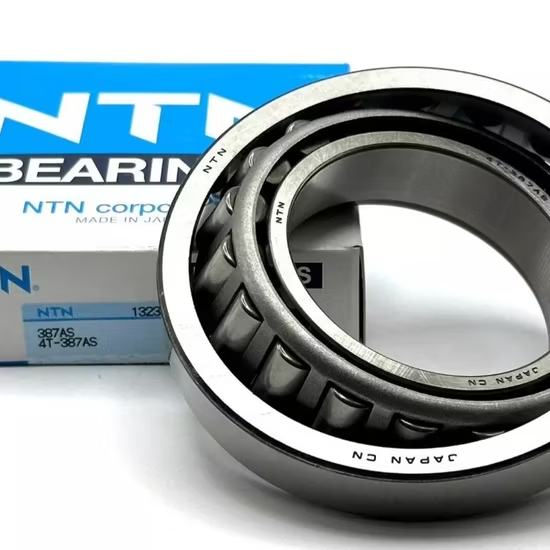
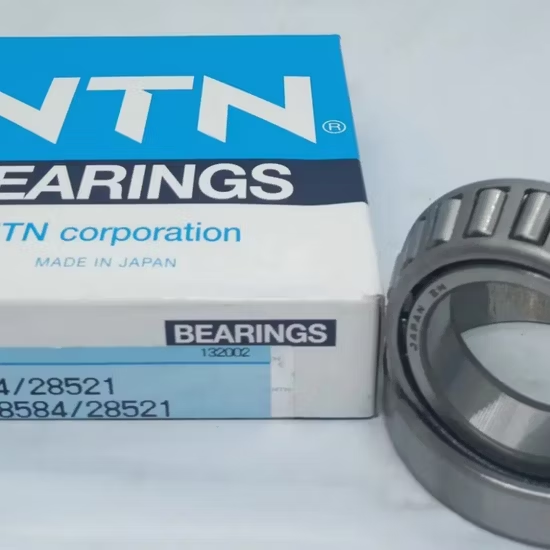


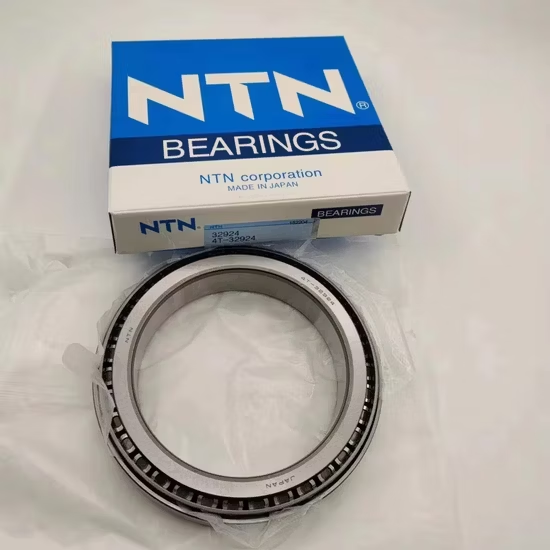
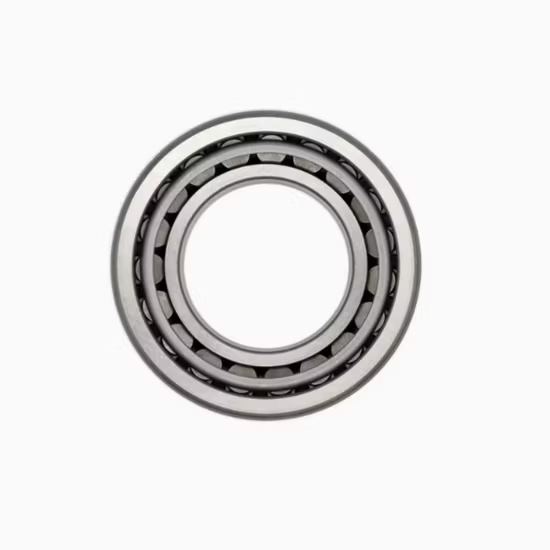
3782/3720 Inch Tapered Roller Bearing P4 — single-row configuration machined from GCr15 bearing steel to handle heavy radial and axial loads.
Full Batch Traceability — Every 3782/3720 unit ships with manufacturer lot documentation and verifiable origin records.
| Parameter | Value |
|---|---|
| Designation | 3782/3720 |
| Bearing Type | Inch Tapered Roller Bearing |
| Number of Rows | Single Row |
| Precision Class | P4 |
| Material | GCr15 Bearing Steel |
| Cage Material Options | Nylon, Brass, or Iron |
| Customization | Available |
| Industry | Typical Applications |
|---|---|
| Automotive and Heavy Vehicle Repair | Wheel hubs, differential assemblies, and transmission shafts |
| Industrial Gearboxes | Speed reducer output shafts and heavy-duty drive trains |
| Material Handling | Conveyor drive pulleys and forklift mast rollers |
Matching the cone and cup numbers is only the first step; ignoring precision and cage material guarantees premature failure.
I once saw a client install a standard precision version of this exact bearing into a high-speed, heavy-load gearbox simply because the base numbers matched. The cage fragmented within weeks, causing catastrophic internal damage. Procurement teams often focus solely on the 3782/3720 inch tapered roller bearing designation, overlooking critical internal design variations. When cross-referencing ignores precision grades and cage materials, the resulting mismatch leads to thermal binding or sudden cage failure under dynamic stress .
Selecting the correct 3782/3720 inch tapered roller bearing requires looking past the basic designation to evaluate the actual operating environment. We verify that the precision class and cage material align perfectly with your specific load and speed requirements. This exact cross-reference approach prevents the costly installation errors that occur when suppliers only match the outer dimensions.
Tapered roller bearings are engineered to handle significant radial and axial loads simultaneously, but thermal expansion during continuous operation alters internal clearances. If the initial clearance and precision class are not matched to the operating temperature, the rollers can skew, generating excessive friction and heat. Proper lubrication is equally critical to prevent metal-to-metal contact, while effective sealing keeps abrasive contaminants out of the raceway .
The designation splits into the inner ring assembly (cone 3782) and the outer ring (cup 3720). Upgrading to P4 precision ensures noticeably tighter dimensional and running accuracy, which is essential for minimizing vibration in high-speed gearboxes. The available cage material options—nylon, brass, or iron—must be selected based on the specific speed and temperature profile of the application. Brass cages generally offer better durability under heavy loads and high vibration, while nylon variants reduce weight and noise at moderate speeds.
Installing a bearing that matches the base number but lacks the required precision or correct cage material leads to unplanned downtime and severe equipment damage. According to ISO 281 standards, operating a bearing outside its verified design parameters drastically reduces its calculated L10 life. A fragmented cage can scatter debris throughout the gearbox, turning a simple replacement into a complete system rebuild .
We supply the 3782/3720 inch tapered roller bearing with strict adherence to P4 precision, ensuring you never receive a downgraded P0 equivalent. Our cross-reference verification checks the cage material and internal geometry, not just the basic cone and cup numbers. Every shipment includes full batch traceability, protecting your operation from counterfeits with soft inner rings that fail under heavy loads. Furthermore, our technical team reviews your application parameters to confirm the selection before dispatch.
To ensure the 3782/3720 inch tapered roller bearing matches your exact requirements, please provide your radial and axial load data, operating speeds, and thermal conditions. Sharing the OEM equipment number allows our engineering team to perform a precise cross-reference check. This technical review confirms the correct cage material and precision class for your specific machinery.
Q: How do I verify the authenticity of the 3782/3720 bearing?
A: You can verify authenticity by scanning the QR code on the packaging using the manufacturer's official mobile app. We also provide complete batch traceability documentation and a Certificate of Conformity. This ensures the GCr15 material and P4 precision meet original factory specifications, protecting you from counterfeit products with compromised inner rings.
Q: Why must precision and cage material be matched during cross-referencing?
A: Matching only the base cone and cup numbers ignores critical internal designs. A standard precision bearing installed in a high-speed application will generate excessive heat, while a mismatched cage material can fragment under heavy vibration. We verify the P4 precision and specific cage options to ensure the bearing survives your exact operating conditions without premature failure.
Q: What are the selection boundaries for the available cage materials?
A: The nylon cage option is ideal for moderate speeds and lower noise requirements, while brass cages are preferred for heavy loads, high vibration, and elevated temperatures. Iron cages offer a balanced alternative for general industrial gearboxes. We review your specific speed and thermal parameters to recommend the most durable cage material for your machinery.
Q: How do I interpret the 3782/3720 inch tapered roller bearing designation?
A: In this inch-series designation, 3782 refers to the inner ring assembly (the cone), which includes the rollers and cage, while 3720 designates the outer ring (the cup). Understanding this split is crucial for inventory management and replacement, as the cone and cup can sometimes be sourced or replaced independently if the mating surface remains undamaged.
Q: What mounting practices are recommended for single-row tapered bearings?
A: Proper mounting requires heating the cone (3782) evenly using an induction heater to expand it for a smooth slide onto the shaft. Avoid direct flame heating, which damages the GCr15 steel. After seating, the axial clearance must be carefully adjusted according to the equipment manufacturer's specifications to prevent thermal binding during operation.
Our 5-step process ensures every order is engineered, validated, and supported for optimal performance.
Technical needs assessment
Custom specifications
Free samples for $50k+
Pre-shipment inspection
On-site & predictive
Our certified engineers respond within 24 hours with detailed technical specifications, pricing, and lead time information.