01
Consultation
Technical needs assessment

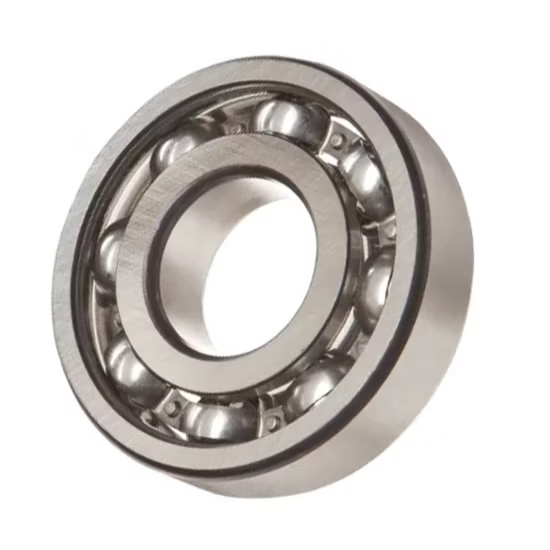
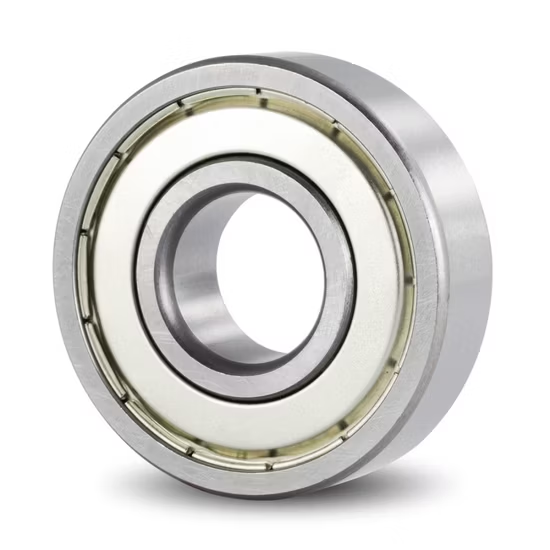
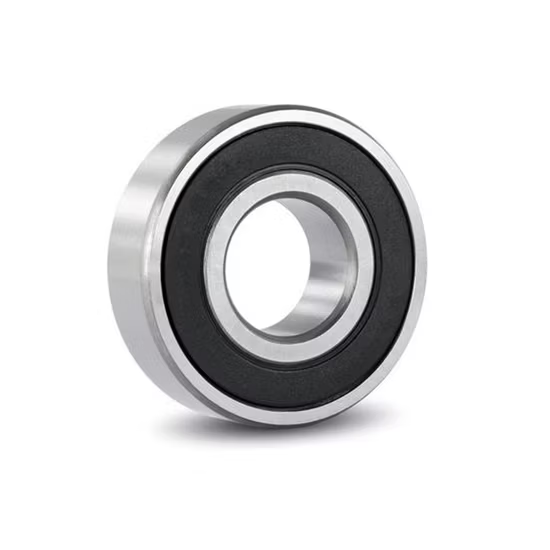
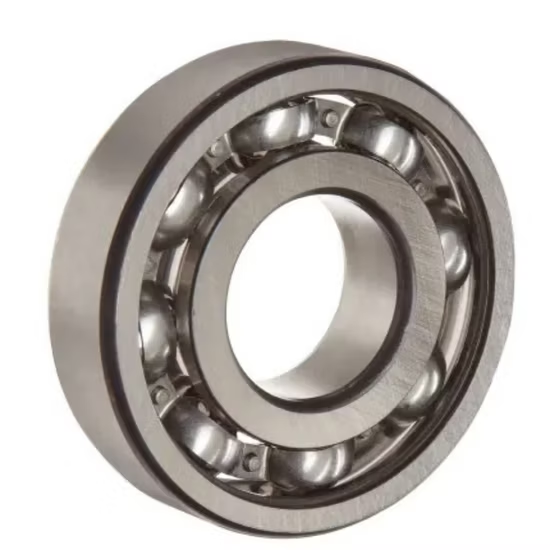
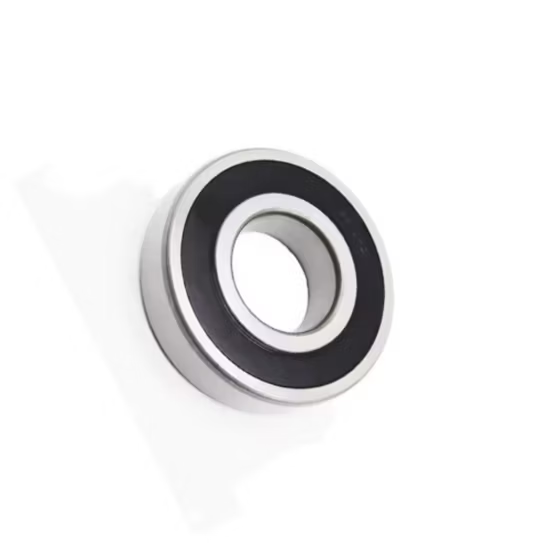
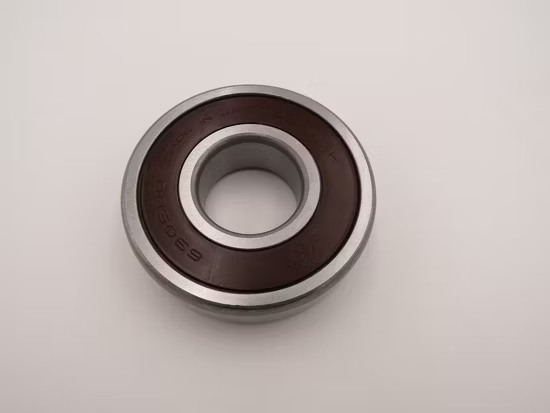
NACHI 6201 Deep Groove Ball Bearing — engineered for reliable radial load support in electric motors and industrial gearboxes.
Multi-brand authorized supply — Consolidate your NACHI 6201 deep groove ball bearing requirements with other major international brands in a single traceable shipment, eliminating multi-vendor coordination delays.
| Parameter | Value |
|---|---|
| Designation | NACHI 6201 |
| Bearing Type | Deep Groove Ball Bearing |
| Seal or Shield Type | Open, Rubber Seals, Iron Seals |
| Noise and Vibration Level | Z1V1, Z2V2, Z3V3, Z4V4 |
| HS Code | 848210 |
| Origin | Japan |
| Industry | Typical Applications |
|---|---|
| Electric Motors | Rotor shaft support, cooling fan drives |
| Industrial Gearboxes | High-speed input shafts, auxiliary drive mechanisms |
| Material Handling | Conveyor roller end-supports, belt drive pulleys |
| Pumps | Impeller shaft alignment, centrifugal pump drives |
Assuming all base-number equivalents perform identically ignores the critical thermal and sealing variables that dictate operational survival.
During my years transitioning from grinding workshop floors to technical sales in the Yangtze River Delta, I witnessed a major motor manufacturer suffer repeated rotor burnouts. The root cause was not a flawed motor design, but a procurement decision to accept a substitute bearing with standard CN clearance instead of the required C3 variant for high-temperature expansion. When cross-referencing a NACHI 6201 deep groove ball bearing, matching the base number is merely the starting point. Overlooking the seal friction or vibration grade suffixes leads to thermal binding, cage failure, and catastrophic equipment damage .
Selecting the correct NACHI 6201 deep groove ball bearing requires aligning the physical configuration with the specific contamination and thermal profile of the machinery. An open design facilitates superior heat dissipation and allows for custom relubrication in clean gearbox environments, while rubber seals provide essential contact-sealing against moisture and fine particulate ingress in agricultural or washing applications. Iron shields offer a non-contact barrier that minimizes friction heat, making them ideal for high-speed electric motor shafts where retaining factory grease without adding rotational drag is paramount.
Electric motors and high-speed pumps generate significant internal heat, demanding careful consideration of internal clearance and lubrication limits. If the operating temperature rises excessively, a standard clearance bearing will lose its internal operating gap, causing the rolling elements to skid and generate destructive friction . Furthermore, in dusty material handling conveyors, abrasive particles bypassing inadequate seals will act as a lapping compound, rapidly degrading the raceway finish and accelerating fatigue spalling.
While the base designation lacks explicit suffixes, the available Z1V1 through Z4V4 noise and vibration classifications dictate the dynamic balancing quality of the internal components. Higher Z/V grades ensure smoother operation and reduced acoustic emissions, which are non-negotiable for precision household appliances and sensitive medical equipment motors. The choice between rubber seals and iron shields directly impacts the torque characteristics; rubber seals introduce slight rotational resistance due to lip contact, whereas iron shields maintain minimal friction but cannot prevent liquid ingress.
Procuring a bearing based solely on dimensional equivalence without verifying the internal geometry or seal type inevitably leads to unplanned downtime. A shielded bearing mistakenly installed in a washdown environment will suffer rapid corrosion and premature failure, voiding equipment warranties and halting production lines . These hidden costs far exceed the initial unit price difference, transforming a minor procurement saving into a major operational liability.
Our distribution network guarantees that every NACHI 6201 deep groove ball bearing is sourced directly from the manufacturer's production facilities, ensuring complete batch traceability. We actively prevent cross-reference errors by verifying not just the base dimensions, but also the specific seal configurations and Z/V vibration grades required by your OEM specifications. By providing comprehensive application-based selection reviews, we eliminate the risk of installing standard clearance variants in high-heat environments, safeguarding your machinery against thermal seizure.
To ensure precise specification matching, please provide the exact radial and axial loads, operational speeds, and ambient temperature ranges for your application. Supplying the original OEM equipment number allows our engineering team to perform a rigorous cross-reference check, verifying that the seal type and internal clearance perfectly align with your machinery's design requirements.
Q: How can I verify the authenticity of the NACHI batch using official tools?
A: Every authorized unit features a specific QR code on the packaging that links directly to the manufacturer's official verification application. Scanning this code confirms the production batch, origin, and authenticity, protecting your facility from counterfeit products with soft inner rings that cause rapid field failures.
Q: Why must seal and vibration suffixes align perfectly during cross-referencing?
A: Matching only the base dimensions ignores critical operational variables. Installing an iron-shielded variant where a contact rubber seal is required allows contaminant ingress, while ignoring Z/V grades introduces unacceptable vibration levels in precision motors, leading to premature fatigue and noise complaints.
Q: What is the selection boundary between rubber seals and iron shields?
A: Rubber seals provide superior protection against moisture and fine dust due to their contact lip, making them ideal for harsh environments, though they generate slight friction. Iron shields offer non-contact protection that retains grease and minimizes heat, making them the preferred choice for high-speed, clean electric motor applications.
Q: How do Z1V1 to Z4V4 grades impact motor spindle performance?
A: These classifications define the dynamic balancing and surface finish quality of the internal components. Higher grades like Z3V3 or Z4V4 significantly reduce acoustic emissions and vibration amplitudes, which is essential for preventing resonance damage and ensuring smooth operation in sensitive household appliances and precision drives.
Q: How is the relubrication interval determined for open-type configurations?
A: For open designs without integrated seals, the relubrication cycle depends on the operational speed, load, and ambient temperature. We recommend calculating the interval based on the specific grease degradation rate and the facility's maintenance schedule to prevent starvation and subsequent raceway scoring.
Our 5-step process ensures every order is engineered, validated, and supported for optimal performance.
Technical needs assessment
Custom specifications
Free samples for $50k+
Pre-shipment inspection
On-site & predictive
Our certified engineers respond within 24 hours with detailed technical specifications, pricing, and lead time information.


