01
Consultation
Technical needs assessment


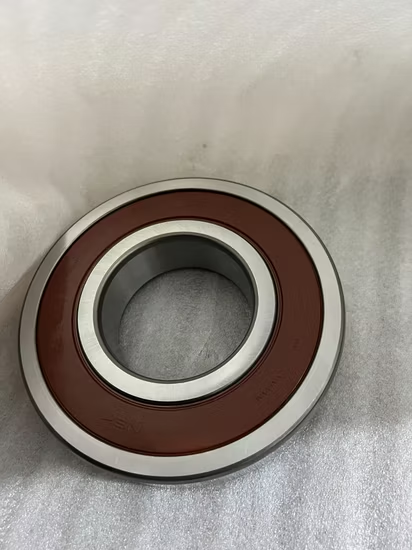


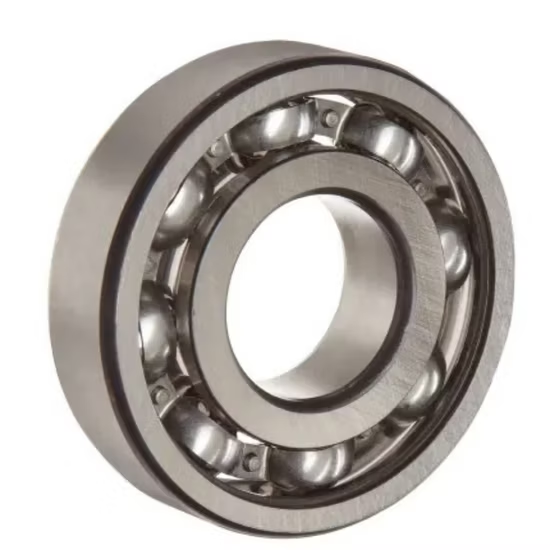
6203 Deep Groove Ball Bearing
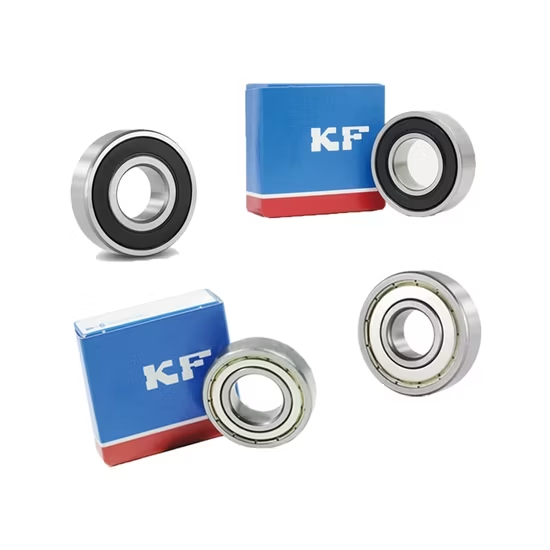
Multi-Brand Authorized Sourcing — Consolidate your SKF, FAG, NSK, and NTN requirements for the 6203 deep groove ball bearing into a single purchase order with unified batch documentation.
| Parameter | Value |
|---|---|
| Designation | 6203 |
| Bearing Type | Deep Groove Ball Bearing |
| Seal or Shield Type | Open, Rubber Seals, Iron Seals |
| Noise and Vibration Level | Z1V1, Z2V2, Z3V3, Z4V4 |
| Origin | Germany, Japan, Sweden, Malaysia, China |
| Industry | Typical Applications |
|---|---|
| Electric Motors | Rotor shaft support, cooling fan assemblies |
| Automotive Components | Alternator pulleys, idler tensioners, wiper motors |
| Industrial Gearboxes | High-speed input shafts, auxiliary drive mechanisms |
A base number match is never enough when thermal expansion alters internal clearances.
I have seen entire batches of electric motors returned from the field because procurement teams ordered standard clearance variants when C3 was required for high-temperature rotor environments. When a 6203 deep groove ball bearing operates under heavy thermal loads without the correct internal play, the rolling elements bind against the raceways. This leads to rapid heat generation, cage deformation, and ultimate seizure . Sourcing the exact variant prevents these catastrophic field failures.
Selecting the right configuration for a 6203 deep groove ball bearing depends entirely on the contamination level and friction tolerance of the application. Open designs suit clean, oil-lubricated gearboxes, while rubber seals provide maximum protection for dusty agricultural or automotive under-hood environments. Iron shields offer a middle ground, reducing friction while keeping out larger particulates.
High-speed electric motor applications demand strict control over vibration and acoustic emissions. Selecting higher noise and vibration grades ensures smoother operation and reduces resonance in precision appliances. Furthermore, operating temperatures directly dictate the necessary internal clearance; standard clearance suffices for ambient conditions, but elevated thermal environments require expanded clearance to compensate for the differential expansion between the shaft and housing .
The seal configuration dictates the maintenance cycle and friction profile. Rubber seals provide excellent exclusion of moisture and fine dust but generate higher friction torque, making them less ideal for extreme-speed applications. Iron shields offer non-contact protection, minimizing friction heat while defending against larger debris. Meanwhile, the Z1V1 to Z4V4 acoustic grades define the strictness of the manufacturing tolerances and surface finish, directly impacting the operational quietness required in household appliances and precision automotive components.
Installing a standard clearance unit in a high-heat application inevitably leads to thermal binding and premature raceway spalling. Conversely, using a rubber-sealed variant in an ultra-high-speed spindle causes the seal lip to overheat and melt, contaminating the lubricant. These misapplications result in unplanned downtime, voided equipment warranties, and costly secondary damage to adjacent shaft components .
Sourcing a 6203 deep groove ball bearing from unauthorized channels often results in soft inner rings that fail under basic radial loads. Our authorized network covers all major international manufacturers, allowing you to mix brands in one shipment without sacrificing documentation. We verify every cross-reference against internal design and seal specifications, not just the base number. Every shipment includes batch traceability to the manufacturer's production facilities, ensuring you receive genuine components that meet original equipment standards.
Provide your specific radial and axial load profiles, operational speeds, and ambient temperature ranges so our engineering team can validate the optimal clearance and seal configuration. If you are replacing an existing unit, share the OEM equipment number or the exact suffix string printed on the current component. This allows us to perform a precise cross-reference check, ensuring the replacement matches the original internal geometry and friction characteristics.
Q: How do I verify the authenticity of the received components?
A: Every unit we supply features a unique batch code and QR identifier that can be scanned using the manufacturer's official mobile application. This digital verification confirms the origin, production date, and specific variant details, protecting your operation from the soft inner rings and cloned markings typical of counterfeit products.
Q: Why is checking the full suffix string critical during cross-referencing?
A: A base number match only confirms the physical dimensions. The suffixes dictate the internal clearance, cage material, and seal type. Ignoring these details often leads to thermal binding or premature seal failure when the replacement is installed in an application requiring specific friction or expansion tolerances.
Q: How do I choose between rubber seals and iron shields?
A: Rubber seals provide superior protection against fine dust and moisture but create higher friction, making them better for moderate-speed, high-contamination environments. Iron shields offer non-contact protection with minimal friction, making them the preferred choice for high-speed electric motors where heat generation must be strictly controlled.
Q: What is the difference between standard and C3 clearance in this size?
A: Standard clearance is designed for normal operating temperatures and typical shaft fits. C3 clearance provides extra internal play to accommodate the thermal expansion of the shaft and housing in high-temperature applications, preventing the rolling elements from binding and seizing under heat.
Q: How do Z-group vibration levels affect motor performance?
A: Higher vibration grades indicate stricter manufacturing tolerances and superior surface finishes on the raceways and rolling elements. Specifying a higher grade significantly reduces acoustic noise and mechanical resonance, which is essential for the smooth, quiet operation of precision electric motors and household appliances.
Our 5-step process ensures every order is engineered, validated, and supported for optimal performance.
Technical needs assessment
Custom specifications
Free samples for $50k+
Pre-shipment inspection
On-site & predictive
Our certified engineers respond within 24 hours with detailed technical specifications, pricing, and lead time information.