01
Consultation
Technical needs assessment


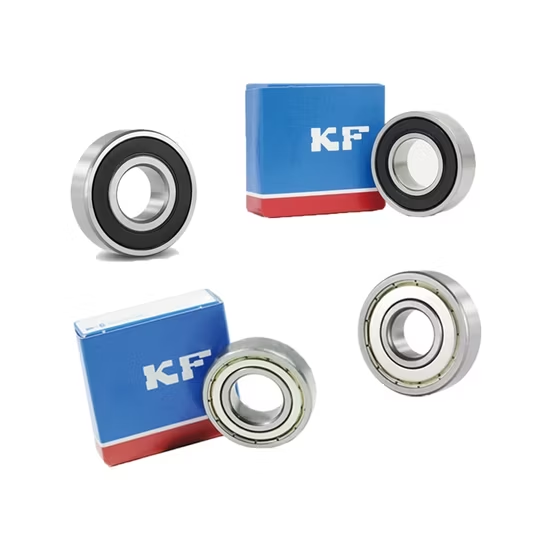


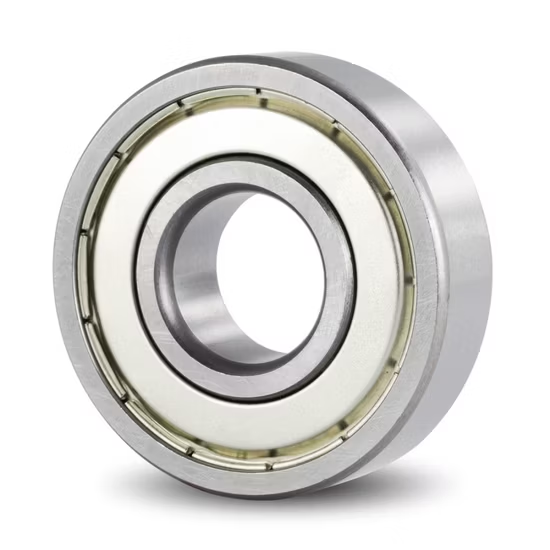
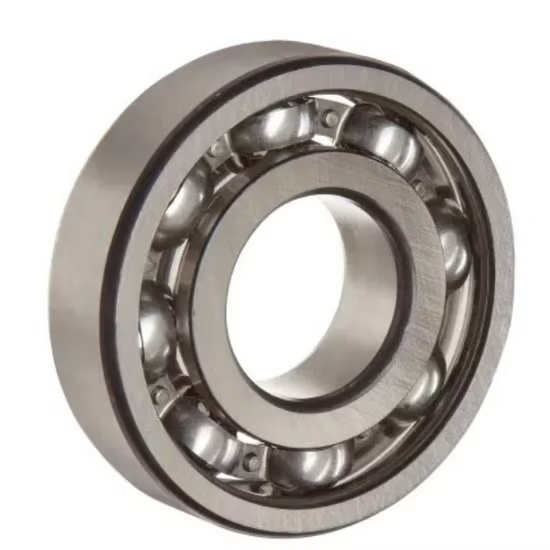
6000 6200 6300 6400 6800 6900 Deep Groove Ball Bearing — series-level coverage across six standard bore ranges with configurable seal types and noise grading.
Open, rubber seal, and iron shield configurations for varying contamination and friction conditions
Z1V1 through Z4V4 quality grades ensure matched vibration performance in electric motors and gearboxes
Multi-origin sourcing with full batch documentation
Authenticate every delivery via official brand app QR verification before installation
Three-Parameter Cross-Reference Alignment — Every replacement matches the base number, internal clearance, and cage material to prevent thermal binding in high-speed motors.
| Parameter | Value |
|---|---|
| Designation | 6000 6200 6300 6400 6800 6900 |
| Bearing Type | Deep Groove Ball Bearing |
| Seal or Shield Type | Open, Rubber Seals, Iron Seals |
| Quality Level | Z1V1, Z2V2, Z3V3, Z4V4 |
| Origin | Germany, Japan, Sweden, Malaysia, China |
| HS Code | 848210 |
| Industry | Typical Applications |
|---|---|
| Electric Motors | Rotor shaft support, stator end-shields, cooling fan drives |
| Industrial Gearboxes | High-speed input shafts, intermediate gear support |
| General MRO | Conveyor idler rollers, pump impeller shafts, household appliance spindles |
Matching the base designation is never enough to guarantee field survival.
Procurement teams often approve replacements based solely on the basic dimension series, overlooking critical internal variations. I have seen entire batches of standard clearance bearings seize inside high-temperature motor housings because the thermal expansion gap was never calculated. When the internal geometry or sealing friction does not align with the actual operating environment, the resulting premature failures trigger unplanned downtime and voided equipment warranties . Sourcing genuine components requires looking far beyond the stamped outer ring.
Selecting the correct 6000 6200 6300 series deep groove ball bearing requires balancing contamination exclusion with rotational friction. Our technical review cross-references your specific motor enclosure type to recommend the optimal seal configuration, ensuring that the chosen Z/V noise and vibration grading supports the required acoustic performance without generating excess internal heat.
Electric motor spindles subject these components to sustained high-speed radial loads and elevated internal temperatures. The lubrication must maintain its film strength without churning, while the sealing lips must exclude fine conductive dust without creating drag. Thermal expansion during continuous operation fundamentally alters the internal clearance, making the initial selection of the correct clearance class critical to avoid catastrophic binding .
The Z1V1 through Z4V4 grading system strictly categorizes the acoustic and vibration output, which is vital for precision appliances and quiet industrial drives. Open variants suit enclosed, oil-lubricated gearboxes, while rubber seals provide superior contact protection against moisture and fine particulates in harsh MRO environments. Iron shields offer a non-contact alternative that limits large debris ingress while minimizing friction torque, allowing the bearing to sustain higher limiting speeds under continuous duty cycles.
Installing a standard clearance bearing in an application requiring thermal expansion compensation leads directly to raceway smearing and cage disintegration. According to failure analysis frameworks, a significant share of premature seizures stems from this exact specification mismatch . The resulting collateral damage often destroys the motor shaft and end-shields, transforming a minor component replacement into a major capital equipment rebuild.
Our authorization across major global manufacturers allows us to fulfill mixed-brand requirements in a single consolidated shipment. We strictly verify that the cross-referenced equivalent matches not just the basic dimensions, but also the specific seal friction characteristics and noise grading required by your OEM. Every batch is tracked back to the manufacturer's production facilities, eliminating the risk of receiving counterfeit components with soft inner rings that fail under minimal load.
Provide your equipment operating parameters, including continuous rotational speed, radial load estimates, and maximum housing temperatures. Our engineering team will calculate the required thermal expansion compensation and recommend the exact clearance class and seal type. Supplying the OEM motor nameplate data allows us to execute a comprehensive cross-reference check to guarantee full dimensional and performance compatibility.
Q: How to verify bearing authenticity and batch traceability?
A: We provide comprehensive documentation including a Certificate of Conformity and material test reports for every shipment. You can independently verify the authenticity of each bearing by scanning the manufacturer's QR code using their official mobile application, ensuring the internal components match the original factory specifications.
Q: Why must cross-referencing include clearance and cage material?
A: Matching only the base designation ignores critical internal geometries. If a replacement lacks the correct thermal expansion clearance or utilizes a cage material unsuited for the operating speed, the bearing will overheat and seize. We align all three parameters to guarantee exact operational compatibility.
Q: What is the difference between Z1V1 and Z4V4 quality levels?
A: The Z/V grading system measures vibration and acoustic noise output. Z1V1 represents standard commercial grades suitable for general conveyors, while Z4V4 indicates ultra-precision finishing required for quiet electric motors and household appliances where minimal rotational vibration is strictly mandated.
Q: How to choose between rubber seals and iron shields?
A: Rubber seals provide excellent contact sealing against fine dust and moisture but generate slightly higher friction. Iron shields maintain a small non-contact gap, offering lower friction and higher speed capability while blocking large debris. The choice depends entirely on your specific contamination and speed requirements.
Q: What are standard clearance classes and when should C3 be used?
A: Standard CN clearance suits general ambient applications. C3 provides greater internal clearance to accommodate thermal expansion when the inner ring runs significantly hotter than the outer housing, such as in electric motors. Using CN in these high-heat scenarios causes the bearing to bind and fail prematurely.
Our 5-step process ensures every order is engineered, validated, and supported for optimal performance.
Technical needs assessment
Custom specifications
Free samples for $50k+
Pre-shipment inspection
On-site & predictive
Our certified engineers respond within 24 hours with detailed technical specifications, pricing, and lead time information.