01
Consultation
Technical needs assessment

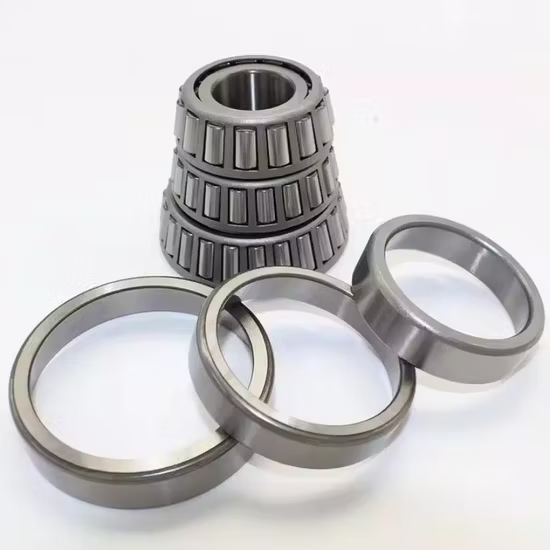
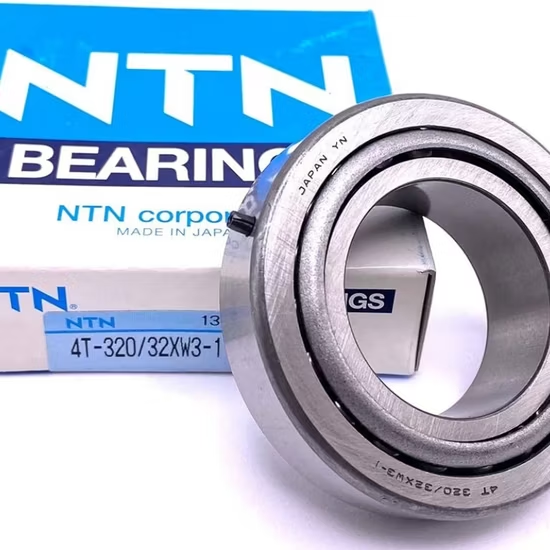
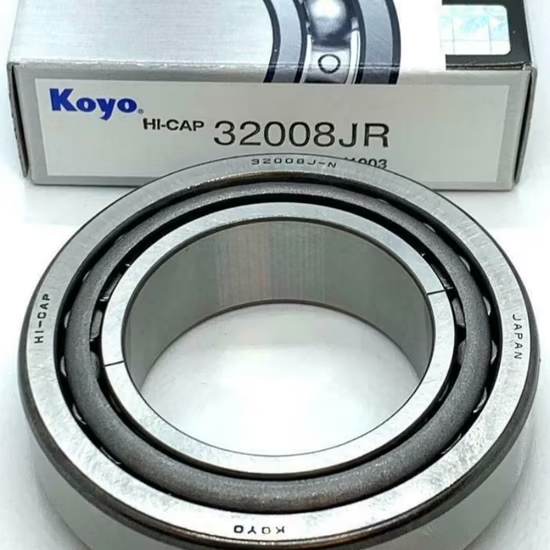
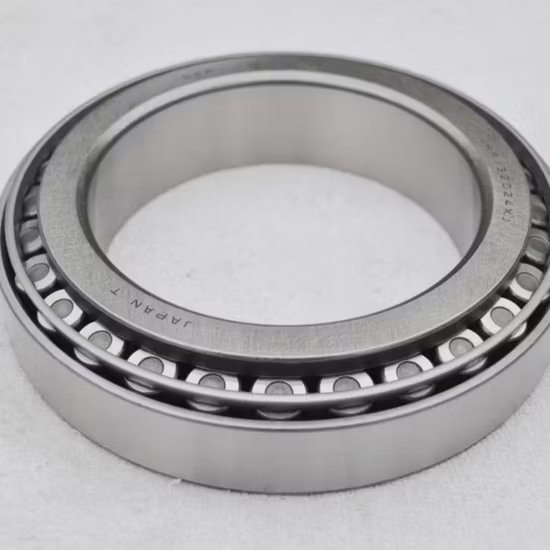
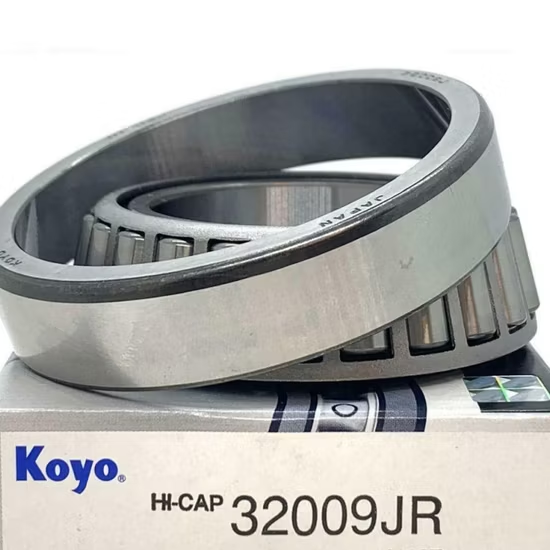
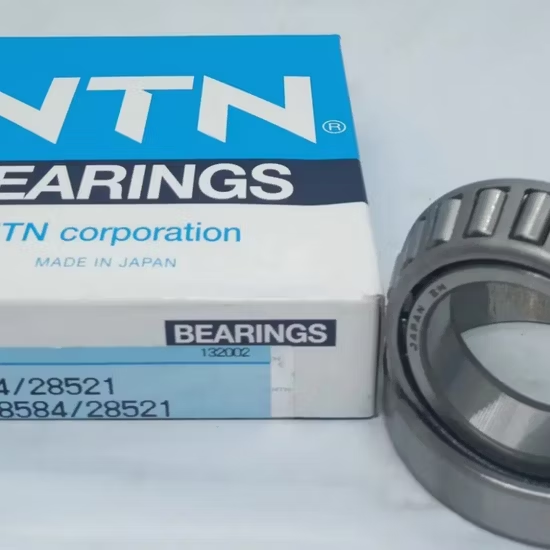
30201 30202 Tapered Roller Bearing P4
Cross-Reference Alignment — We verify clearance, cage material, and precision class rather than just matching the base number.
| Parameter | Value |
|---|---|
| Designation | 30201 30202 |
| Bearing Type | Tapered Roller Bearing |
| Number of Row | Single Row |
| Precision Class | P4 |
| Cage Material | Nylon, Brass, or Pressed Steel options |
| Material | GCr15 Bearing Steel |
| Structure | Taper |
| Feature | Low Noise, High Speed, Long Service Life |
| Customization | Available |
| Industry | Typical Applications |
|---|---|
| Building Material Shops | Conveyor drive gearboxes and crusher eccentric shafts |
| Manufacturing Plant | Automated assembly line rotary tables and indexing drives |
| Machinery Repair Shops | Automotive wheel hubs and heavy vehicle axle differentials |
Matching the basic designation is never enough when thermal expansion alters internal clearance under heavy loads.
In my years troubleshooting equipment across Latin America, I have seen countless assemblies seize simply because a standard clearance was installed where a wider internal gap was required. When operating temperatures rise, the inner ring expands and eliminates the internal clearance, leading to catastrophic thermal binding on the shaft journal. Selecting the right 30201 30202 tapered roller bearing demands a thorough review of the actual operating conditions, not just a quick catalog lookup. Relying solely on the base number ignores critical suffix variations that dictate how the component behaves under combined radial and axial loads .
Every piece of rotating equipment imposes a unique combination of forces, and off-the-shelf selections rarely account for localized thermal gradients. Our engineering review process evaluates your specific load profiles and mounting arrangements to ensure the chosen single row configuration delivers optimal load distribution. By aligning the internal geometry with your exact operational parameters, we prevent the premature fatigue that plagues hastily sourced replacements.
Heavy vehicle axles and industrial gearboxes subject these components to severe shock loads and continuous vibration. The operating temperature directly influences lubricant viscosity and internal clearance, meaning a setup that runs perfectly cold may bind once it reaches thermal equilibrium. Contaminant ingress from dusty environments further accelerates wear if the sealing arrangement is inadequate. Proper installation practices, including precise preload adjustment, are just as critical as the initial selection to maintain dimensional stability .
The P4 precision class guarantees tighter dimensional and running accuracy, which is essential for minimizing vibration in high-speed indexing drives. GCr15 bearing steel provides the necessary core hardness and wear resistance to withstand the intense contact stresses at the roller apex. Depending on the specific speed and temperature requirements, the cage material can be specified as an option: nylon for reduced friction and noise, brass for high-vibration stability, or pressed steel for general-purpose durability. This flexibility ensures the internal kinematics are perfectly tuned to the application.
Substituting a standard precision component into a high-speed spindle or using an incorrect cage material in a high-vibration environment inevitably leads to unplanned downtime. These failures rarely occur in isolation; a disintegrating cage can send metallic debris throughout the entire gearbox, causing catastrophic damage to mating gears and shafts. The financial impact of a halted production line far outweighs the initial savings of a poorly specified part, often resulting in complete warranty voidance for the assembled machinery .
We maintain authorized distribution channels that guarantee the authenticity of every batch, eliminating the risk of counterfeit rings with soft inner cores. Our cross-reference protocol strictly aligns the precision class and cage material, preventing the subtle mismatches that cause field failures. For this specific series, we verify the exact internal design to ensure it matches the OEM equipment requirements, rather than just supplying a dimensionally equivalent substitute. Every shipment includes comprehensive batch traceability, giving your maintenance team absolute confidence in the installed spares.
To ensure the selected configuration perfectly matches your machinery, please provide the specific radial and axial load values alongside the operating speed and temperature range. Sharing the original OEM equipment number allows us to perform a comprehensive cross-reference check, verifying that the internal design and precision class align with the factory specifications. This technical review guarantees that the replacement components will deliver reliable service life under your exact working conditions.
Q: How do I verify the authenticity and batch traceability of these components?
A: Every shipment includes a Certificate of Conformity and original manufacturer batch documentation. You can scan the QR codes on the packaging using the official brand applications to instantly verify authenticity and trace the production lot, ensuring you receive genuine GCr15 steel products rather than counterfeit alternatives.
Q: Why must clearance and cage material be matched during cross-referencing?
A: Matching only the base designation ignores critical internal variations. Installing a standard clearance where thermal expansion requires a wider gap leads to severe binding, while using a nylon cage in a high-vibration environment causes premature structural failure. Exact alignment of these parameters ensures reliable operation.
Q: What are the differences between the available cage material options?
A: The cage can be supplied in nylon, brass, or pressed steel depending on your application. Nylon reduces friction and operating noise, brass provides exceptional stability under high vibration and heavy loads, and pressed steel offers a reliable, cost-effective solution for standard industrial gearboxes and automotive hubs.
Q: How does P4 precision compare to standard grades in terms of accuracy?
A: The P4 precision class delivers significantly tighter dimensional and running accuracy compared to standard P0 grades. This enhanced precision minimizes vibration and heat generation, making it highly suitable for demanding applications like automated assembly rotary tables where smooth, predictable rotation is critical.
Q: What mounting practices are recommended to prevent premature failure?
A: Proper installation is critical for single row tapered configurations. We recommend using induction heating for the inner ring to avoid damaging the cage, followed by precise axial clearance adjustment. This compensates for thermal expansion during operation and prevents the internal binding that frequently destroys improperly mounted components.
Our 5-step process ensures every order is engineered, validated, and supported for optimal performance.
Technical needs assessment
Custom specifications
Free samples for $50k+
Pre-shipment inspection
On-site & predictive
Our certified engineers respond within 24 hours with detailed technical specifications, pricing, and lead time information.