01
Consultation
Technical needs assessment


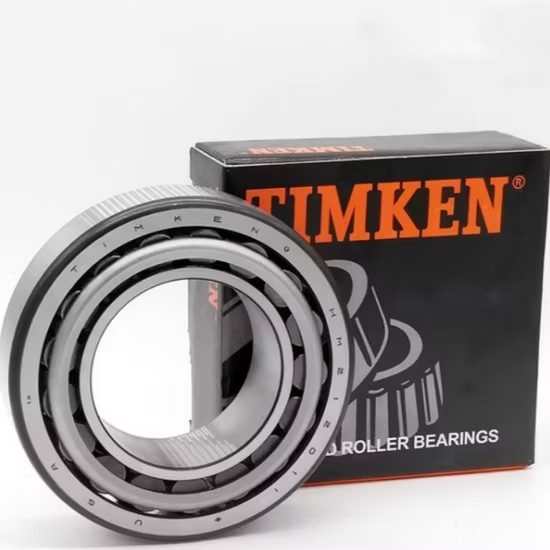
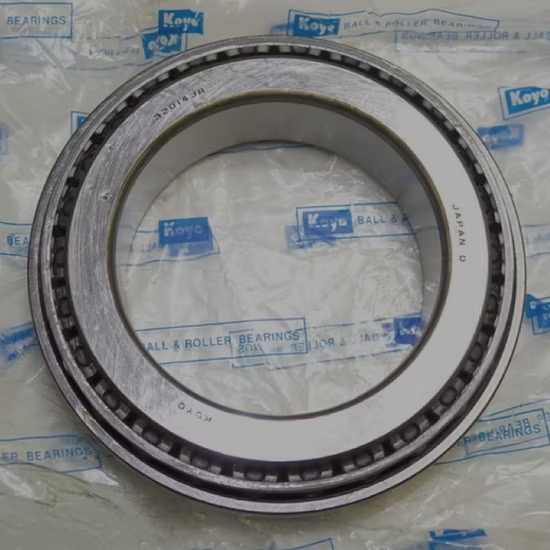
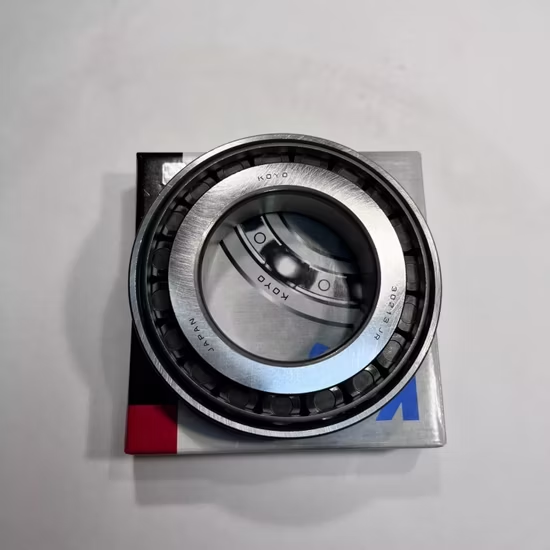
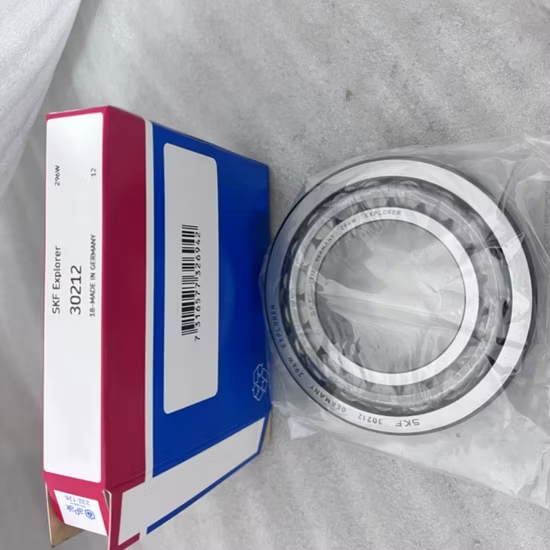
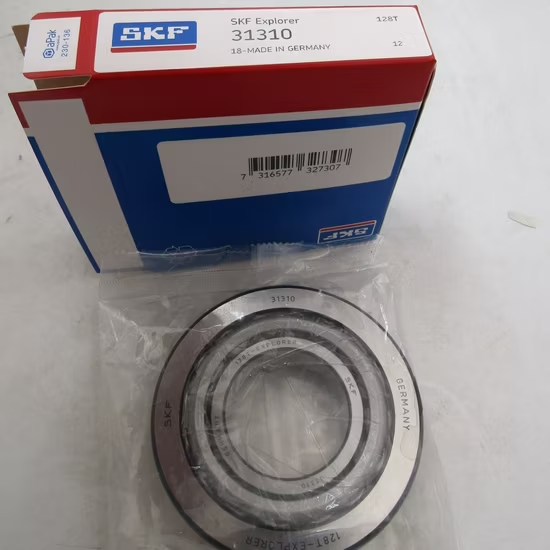
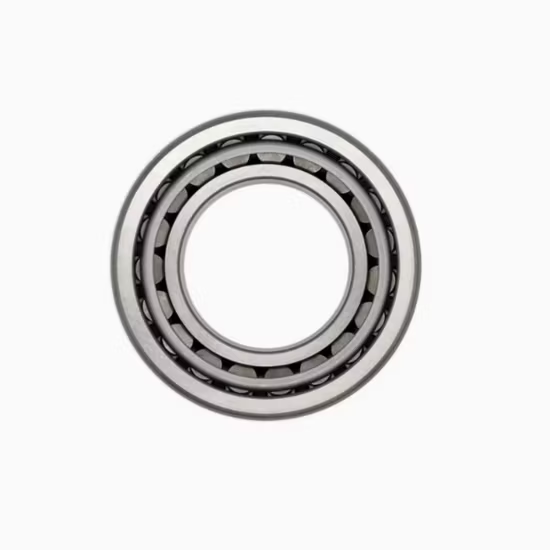
30200 30201 Tapered Roller Bearing P4 — Single row structure handles combined radial and axial loads, while GCr15 steel ensures core durability. P4 precision guarantees tighter running accuracy for demanding machinery applications.
Cross-Reference Triple Alignment — verifying clearance, cage material, and precision suffixes for 30200 30201 tapered roller bearings to eliminate field thermal binding.
| Parameter | Value |
|---|---|
| Designation | 30200 30201 |
| Bearing Type | Tapered Roller Bearing |
| Number of Rows | Single Row |
| Precision Class | P4 |
| Cage Material | Nylon / Brass / Iron |
| Material | GCr15 (Bearing Steel) |
| Origin | Shanghai |
| Industry | Typical Applications |
|---|---|
| Industrial Gearboxes | Heavy-duty reduction gear shafts and pinion supports |
| Machinery Equipment | Crusher main spindle assemblies and vibrating screens |
| Automotive Repair | Heavy vehicle wheel hub setups and axle differentials |
| Manufacturing Plants | Conveyor drive pulley bearings and material handling rollers |
Matching the base designation without verifying internal clearance and cage material leads to catastrophic thermal binding under heavy radial loads.
In Latin American mining sites, I have seen countless crusher main shafts overheat and seize unexpectedly. The teardown often reveals severely worn inner rings and deformed cages. The root cause is rarely a completely wrong part number; rather, the internal design ignored the specific thermal expansion and load requirements of the application. Installing a standard clearance unit where expanded clearance was required, or using a nylon cage in high-temperature zones, creates friction that quickly destroys the bearing . Procurement teams focus on the base number, overlooking the critical suffixes that dictate actual field performance.
Selecting the right configuration requires looking beyond the basic 30200 30201 tapered roller bearing designation. Our technical review process evaluates the exact radial and axial load ratios, operating temperatures, and rotational speeds of your equipment. By aligning these parameters with the appropriate cage material and precision class, we ensure the bearing handles the specific demands of gearboxes or heavy vehicle hubs without premature fatigue.
Tapered roller bearings in heavy machinery face intense combined loads and frequent shock impacts from uneven material feed. High ambient temperatures in processing plants cause shaft expansion, which can eliminate internal clearance and cause the rollers to skid. Proper lubrication is equally critical; inadequate grease distribution in high-speed gearboxes leads to localized overheating and cage failure. Furthermore, heavy contamination from dust and slurry demands strict attention to sealing solutions and regular relubrication intervals to prevent abrasive wear on the raceways .
The P4 precision class ensures tighter dimensional and running accuracy than standard grades, which is vital for minimizing vibration in high-speed pinion shafts. GCr15 bearing steel provides the core durability needed to withstand heavy shock loads without spalling. For cage selection, nylon variants offer low friction and quiet operation at moderate temperatures, while brass cages deliver superior durability under high vibration and heavy loads. Iron cages serve as a cost-effective alternative for standard industrial applications where extreme speeds or temperatures are not present.
Ignoring precision and cage specifications results in unplanned downtime that halts entire production lines. A bearing that fails prematurely due to thermal binding causes catastrophic damage to adjacent seals, shafts, and housings. This collateral damage voids equipment warranties and forces expensive emergency repairs. Following failure analysis frameworks, a significant share of these premature failures stems directly from applying standard tolerance components in precision-demanding or high-thermal environments .
We align cross-references based on clearance, cage material, and precision, preventing the common error of supplying a base-matched but internally incompatible unit. Every shipment includes batch traceability to the manufacturer, verified through official brand apps to eliminate soft inner ring counterfeits. Our single-source authorized coverage handles mixed-brand requirements efficiently, saving procurement time. We also provide application-based selection reviews to ensure the chosen 30200 30201 variant matches your exact load and temperature profile.
To ensure optimal performance, share your specific radial and axial load values, operating speeds, and ambient temperature ranges. Providing the exact OEM equipment number allows our engineering team to perform a comprehensive cross-reference check. This data enables us to recommend the precise cage material and internal clearance configuration required for your application, preventing field failures.
Q: How to align clearance and cage material when cross-referencing metric and inch tapered roller bearings?
A: Base numbers often match, but internal designs differ. We verify the exact operating temperature to select the correct expanded clearance, and evaluate load vibration to choose between nylon, brass, or iron cages. This triple alignment prevents thermal binding and ensures the replacement performs identically to the original specification.
Q: What are the selection boundaries for nylon, brass, and iron cages in tapered roller applications?
A: Nylon cages reduce friction and noise, suiting moderate temperatures and speeds. Brass cages withstand high vibration, heavy shock loads, and elevated temperatures typical in mining crushers. Iron cages provide a reliable, cost-effective solution for standard industrial gearboxes where extreme thermal or mechanical stress is not a primary factor.
Q: How to verify P4 precision and avoid counterfeit bearings with cloned QR codes?
A: Counterfeits often pass visual checks but fail under load due to soft inner rings. We provide official batch traceability and QR codes that link directly to the manufacturer's secure database. Additionally, our dimensional and running accuracy inspection reports confirm the tight P4 tolerances before the bearings are shipped to your facility.
Q: What mounting tools and induction heating practices are recommended for tapered roller bearings?
A: Use calibrated induction heaters with automatic temperature controls to prevent overheating the GCr15 steel or damaging the selected cage material. Always mount the bearing squarely against the shaft shoulder and apply the correct axial force to seat it properly, ensuring the internal clearance is correctly established for the operating environment.
Q: How to determine the correct lubrication and relubrication intervals for heavy-duty gearbox applications?
A: Lubrication depends on the operating speed, load, and temperature. High-speed gearboxes require precise oil levels or specialized greases to prevent churning heat, while heavy-load, low-speed applications need high-viscosity greases with extreme pressure additives. We analyze your specific duty cycle to recommend the optimal lubricant type and relubrication schedule.
Our 5-step process ensures every order is engineered, validated, and supported for optimal performance.
Technical needs assessment
Custom specifications
Free samples for $50k+
Pre-shipment inspection
On-site & predictive
Our certified engineers respond within 24 hours with detailed technical specifications, pricing, and lead time information.