01
Consultation
Technical needs assessment



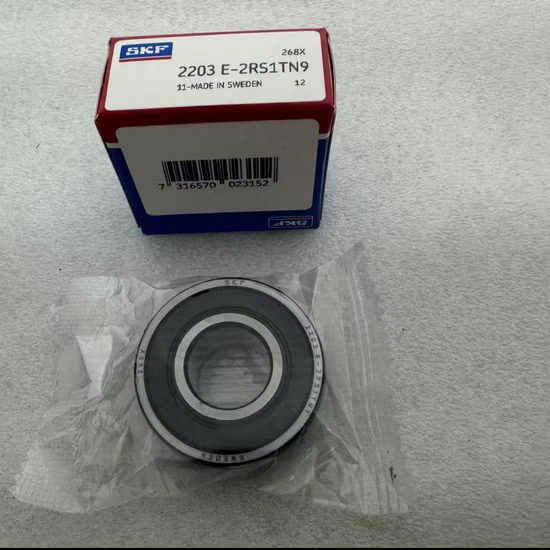
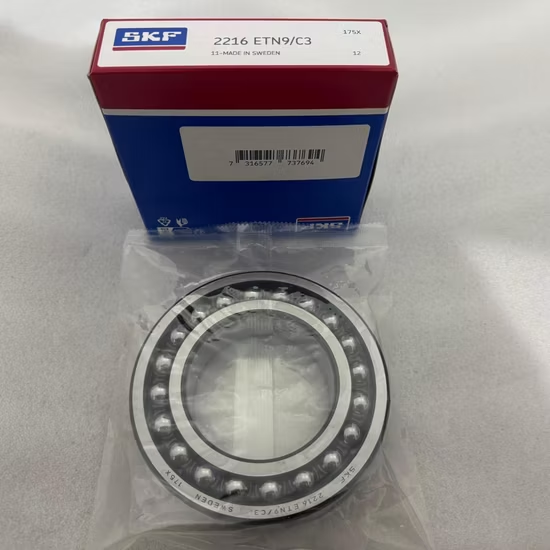
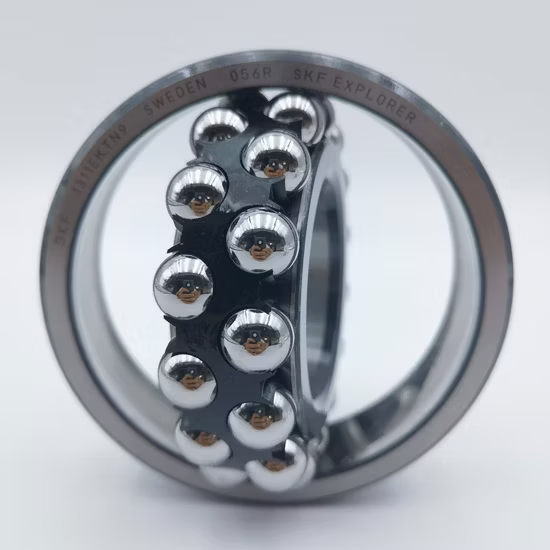
2310 Self-Aligning Ball Bearing — machined brass cage construction delivers superior strength and thermal conductivity under heavy loads, accommodating static shaft misalignment.
Multi-brand authorized coverage — Consolidate your SKF, FAG, and NSK requirements for the 2310 self-aligning ball bearing brass cage into a single verified shipment without juggling multiple regional vendors.
| Parameter | Value |
|---|---|
| Designation | 2310 |
| Bearing Type | Self-Aligning Ball Bearing |
| Cage Material | Brass |
| Bearing Style | Open, Rubber Seals, Iron Seals |
| Origin | Germany, Japan, Sweden, Malaysia, China |
| HS Code | 848210 |
| Industry | Typical Applications |
|---|---|
| Electric motors | Rotor shaft support accommodating minor housing misalignment |
| Industrial gearboxes | Intermediate shaft mounting where thermal expansion occurs |
| Agricultural machinery | Drive shafts exposed to heavy vibration and field dust |
| Material handling | Conveyor pulley bearings subject to belt tension deflection |
A matching designation means nothing if the internal cage material or clearance class ignores the actual operating temperature.
In the crushing and material handling sites of the Middle East, I have dismantled gearboxes where a standard clearance bearing seized solid within weeks because thermal expansion was entirely ignored. Procurement teams often approve cross-references that align the base number perfectly but overlook critical suffixes, leading to catastrophic cage failure under heavy vibratory loads.
The 2310 self-aligning ball bearing brass cage variant provides the structural rigidity needed for high-vibration applications like agricultural drive shafts and material handling conveyors. Unlike stamped steel alternatives, the machined brass construction dissipates heat more effectively and resists deformation under shock loads. Our technical review ensures this specific cage design aligns with your equipment's dynamic stress profile.
Shaft deflection and housing tolerances routinely force bearings out of perfect alignment, making the self-aligning outer ring raceway essential for preventing edge loading. When equipment operates in high-ambient environments, thermal expansion alters the internal geometry, demanding careful clearance selection to avoid preload binding. Furthermore, choosing between open, rubber-sealed, or iron-sealed styles dictates how well the unit resists abrasive dust ingress without generating excessive seal friction heat.
The machined brass cage offers superior strength and thermal conductivity compared to polymer alternatives, making it the definitive choice for applications involving heavy shock loads or elevated operating temperatures. The self-aligning capability inherently accommodates static misalignment between the shaft and housing, protecting the rolling elements from localized stress concentrations. Depending on the contamination level of your facility, the availability of open, rubber-sealed, and iron-sealed styles allows for precise environmental protection without compromising rotational speed limits.
Approving a replacement based solely on the base designation frequently results in unplanned downtime when the internal design fails to match the application. Installing a standard clearance unit in a high-heat gearbox causes thermal binding, while using a polymer cage in a high-vibration crusher leads to rapid structural fatigue. These misalignments void warranty claims and trigger catastrophic damage to adjacent shaft components, as documented in standard failure analysis frameworks.
We maintain authorized distribution channels across all major international brands, ensuring your mixed-brand orders are fulfilled with genuine, batch-traceable components. Our cross-reference process strictly verifies the cage material and seal type, preventing the common error of supplying a stamped steel cage when a brass one is specified for heavy loads. Every shipment includes full documentation, and our application-based selection review catches clearance mismatches before the bearings reach your maintenance workshop.
Share your specific radial and axial loads, operating speeds, and ambient temperatures so our team can verify the clearance class and L10 life calculations. Providing the OEM equipment number allows us to perform a precise cross-reference check, ensuring the cage material and seal type match the original design intent. This technical validation guarantees the selected unit withstands your exact operational demands.
Q: Why is the brass cage suffix critical when cross-referencing the base number?
A: Base numbers often match across brands, but internal components vary. A brass cage provides essential strength and heat dissipation for high-vibration or high-temperature applications. Substituting it with a stamped steel or polymer cage during cross-referencing can lead to rapid fatigue and premature cage failure under heavy shock loads.
Q: How do I choose between open, rubber-sealed, and iron-sealed styles?
A: The choice depends on your operating environment. Open styles require external lubrication systems and suit clean areas. Rubber seals offer excellent protection against dust and moisture but add friction. Iron shields provide basic dust exclusion with lower friction, making them ideal for higher-speed applications where heavy contamination is not a primary concern.
Q: What causes a self-aligning bearing to seize despite correct installation?
A: Seizure often results from ignoring thermal expansion. If a standard clearance bearing is installed in an application with significant heat generation, the internal clearance disappears as the inner ring expands. This causes thermal binding and eventual failure. Always verify the required clearance class based on your specific operating temperature profile.
Q: How can I verify the authenticity of the supplied bearings?
A: Every bearing we supply features batch and lot traceability. You can scan the manufacturer's QR code using their official mobile application to instantly verify authenticity. We also provide a Certificate of Conformity and dimensional inspection reports, ensuring the product meets all original equipment specifications before it reaches your facility.
Our 5-step process ensures every order is engineered, validated, and supported for optimal performance.
Technical needs assessment
Custom specifications
Free samples for $50k+
Pre-shipment inspection
On-site & predictive
Our certified engineers respond within 24 hours with detailed technical specifications, pricing, and lead time information.