01
Consultation
Technical needs assessment

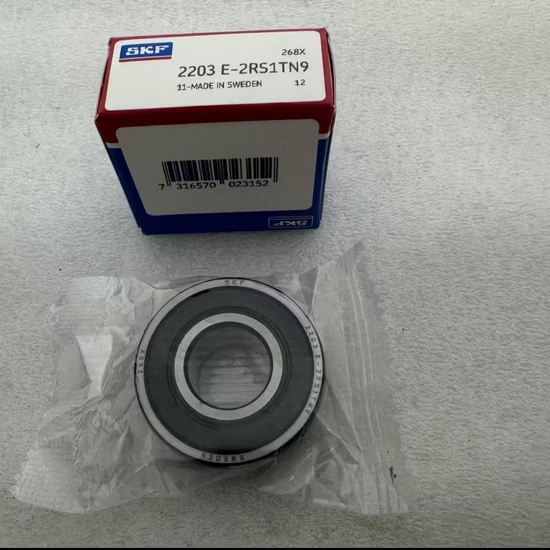
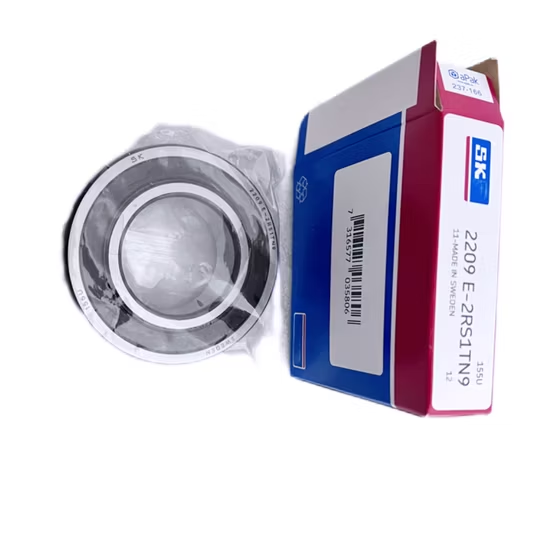
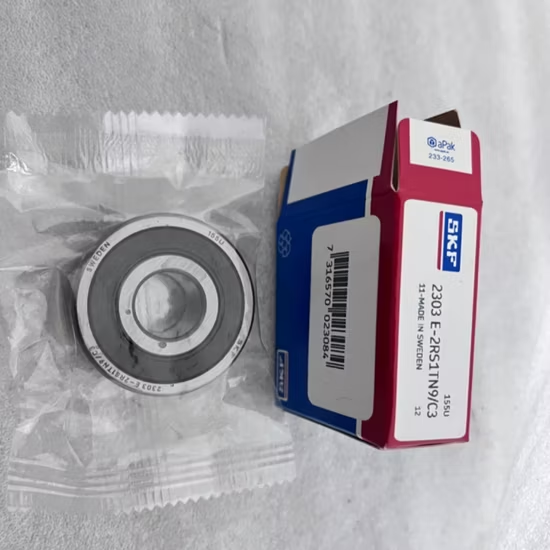
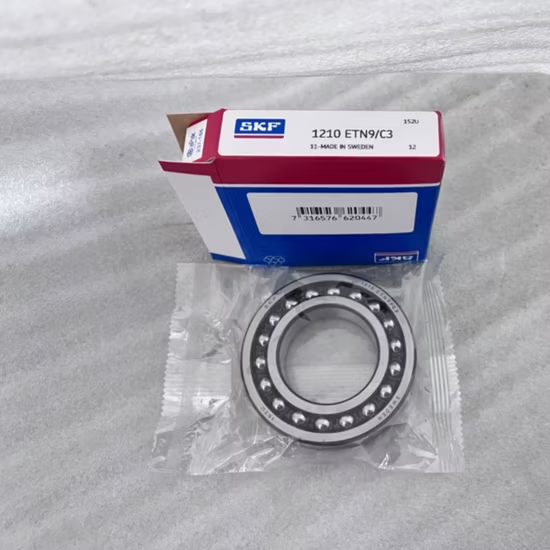

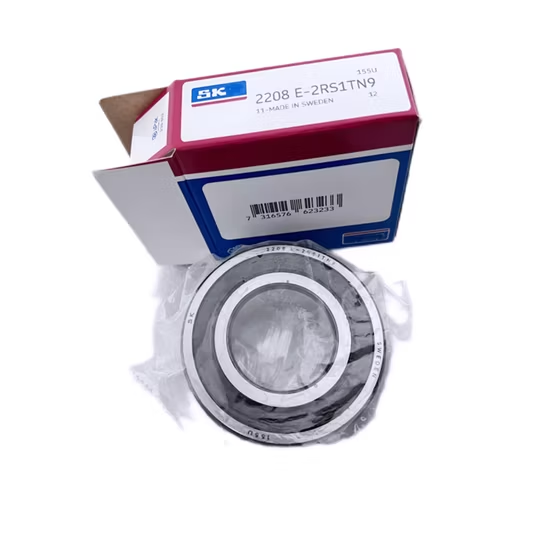
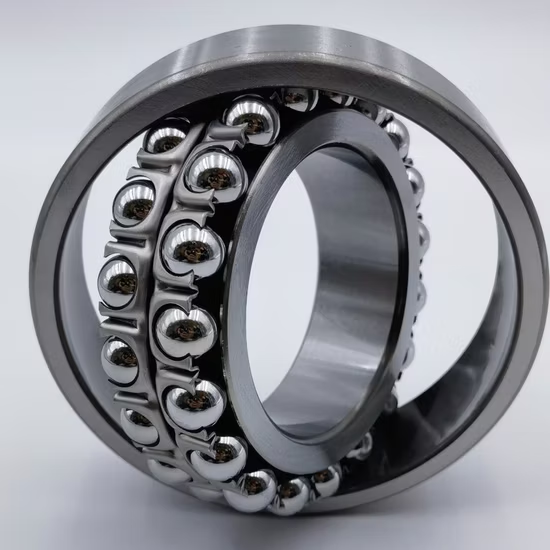
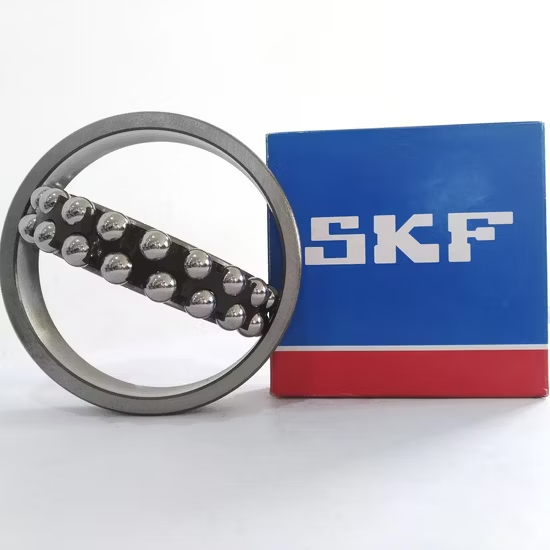
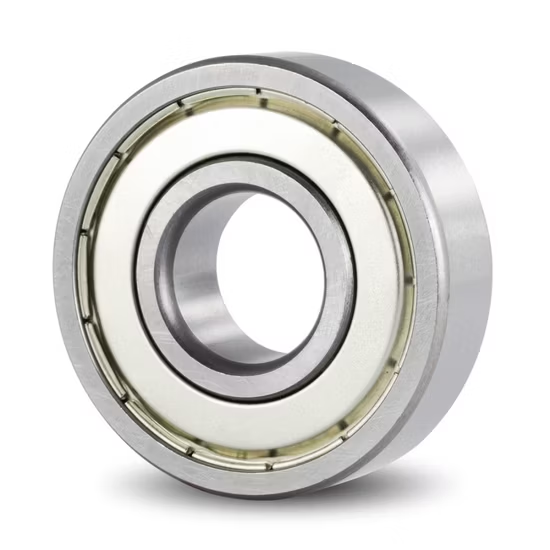
2203/E/2RS1TN9 Self-Aligning Ball Bearing 17×40×16 mm — optimized internal geometry enhances load capacity, while double contact seals prevent contamination for maintenance-free operation. The polyamide cage ensures low friction and quiet running.
Every shipment includes a complete documentation package with material certificates and dimensional inspection reports to guarantee exact specifications.
Cross-reference suffix alignment — Matching the base number is insufficient; we verify seal type and cage material to prevent field failures in household processing equipment.
| Parameter | Value |
|---|---|
| Designation | 2203/E/2RS1TN9 |
| Bearing Type | Self-Aligning Ball Bearing |
| Bore Diameter (d) | 17 mm |
| Outside Diameter (D) | 40 mm |
| Width (B) | 16 mm |
| Dynamic Load Rating (C) | 8.84 kN |
| Static Load Rating (C₀) | 2.2 kN |
| Fatigue Load Limit (Pu) | 0.12 kN |
| Cage Material | Glass fibre reinforced polyamide (PA66) |
| Seal Type | Double contact seals |
| Industry | Typical Applications |
|---|---|
| Household Appliances | Food processing mixers and domestic blending equipment |
| Light Industrial | Small conveyor rollers and textile machine guides |
| Agriculture | Lightweight seeding mechanisms and fertilizer spreaders |
Seal integrity dictates service life in uncontrolled environments.
Sourcing teams often approve cross-references that match the base 2203 designation but overlook the 2RS1 double contact seal requirement. In household processing and light agricultural equipment, this oversight allows fine particulate matter to invade the raceway. The resulting abrasive wear causes premature seizure long before the steel reaches its fatigue limit. Ensuring the exact sealing configuration is maintained during procurement prevents these costly operational interruptions .
Household processing equipment frequently experiences minor shaft deflections due to lightweight structural frames and dynamic mixing loads. The self-aligning capability of this bearing compensates for these installation misalignments, preventing edge loading on the raceways. By supplying exact cross-references that retain the optimized internal geometry, we ensure the equipment maintains smooth operation under varying radial loads.
Equipment in these sectors rarely operates in clean-room conditions. Flour, grain dust, and moisture are constant threats to internal lubrication. While open bearings require frequent relubrication, the double contact seals on this model retain the factory grease and block external contaminants. Furthermore, the polyamide cage reduces friction heat generation, which is critical when the equipment operates at higher rotational speeds without external cooling mechanisms .
The suffix string dictates the actual performance envelope. The 'E' designation indicates an optimized internal geometry with larger rolling elements, directly increasing the dynamic load capacity compared to standard designs. The '2RS1' suffix confirms the presence of double contact rubber seals, providing a tight barrier against dust ingress while maintaining low friction. Finally, the 'TN9' suffix specifies a glass fibre reinforced polyamide cage. This cage material offers excellent sliding properties and dampens operational noise, which is a strict requirement for domestic appliances where acoustic comfort matters.
Replacing a seized bearing in a commercial food mixer or agricultural seeder involves significant unplanned downtime. When a base-number match lacking the 2RS1 seal is installed, the subsequent contamination leads to rapid cage degradation and raceway spalling. This violates the intended L10 life calculations outlined in ISO 281, forcing maintenance teams into a cycle of reactive replacements rather than scheduled maintenance, ultimately voiding equipment warranties and damaging production schedules .
Our technical review explicitly checks the TN9 cage and 2RS1 seal suffixes against your OEM requirements, eliminating the risk of receiving open or steel-caged variants. We provide authorized distribution across all major international brands, allowing you to consolidate mixed-brand orders without sacrificing documentation. Every shipment includes batch traceability, ensuring the 2203/E/2RS1TN9 self-aligning ball bearing you receive is genuinely manufactured to the specified internal design, not a visually similar counterfeit with a soft inner ring.
To ensure optimal performance, provide our engineering team with your specific radial and axial load profiles, operating speeds, and ambient temperature ranges. We will perform a cross-reference review to verify that the internal clearance and sealing arrangement match your exact application. If you are replacing an existing component, share the OEM equipment number so we can validate the interchange against the original specification.
Q: How do we ensure the cross-reference matches the seal and cage requirements?
A: We do not rely solely on base dimension matching. Our technical team verifies that any proposed alternative explicitly includes the double contact seal and glass fibre reinforced polyamide cage specifications. This ensures the replacement maintains the original contamination resistance and low-friction characteristics required for your specific equipment.
Q: What is the boundary between 2RS1 contact seals and 2Z shields?
A: The 2RS1 contact seals provide superior protection against fine dust and moisture ingress, making them ideal for household processing and agricultural environments. In contrast, 2Z shields offer lower friction but allow fine particulates to enter. We always recommend adhering to the 2RS1 specification if the original equipment operated in contaminated conditions.
Q: What are the thermal limits for the TN9 polyamide cage?
A: Glass fibre reinforced polyamide cages perform excellently under standard operating temperatures but have an upper thermal limit. If your application involves continuous operation at elevated temperatures beyond standard grease limits, the cage material may degrade. We recommend sharing your exact thermal profile so we can confirm suitability or suggest a brass cage alternative.
Q: How much misalignment can this self-aligning bearing compensate for?
A: Self-aligning ball bearings are designed to accommodate minor static misalignments caused by shaft deflection or housing machining errors. The exact permissible angle depends on the specific load and internal clearance. Providing your shaft and housing tolerances allows us to verify if the self-aligning capability is sufficient for your assembly.
Q: How can we verify the batch traceability of the delivered bearings?
A: Every bearing we supply features a unique identification mark that links to the manufacturer's production batch. You can verify the authenticity and trace the origin directly using the brand's official mobile application, ensuring the product is genuine and fully documented for your quality management system.
Our 5-step process ensures every order is engineered, validated, and supported for optimal performance.
Technical needs assessment
Custom specifications
Free samples for $50k+
Pre-shipment inspection
On-site & predictive
Our certified engineers respond within 24 hours with detailed technical specifications, pricing, and lead time information.