01
Consultation
Technical needs assessment


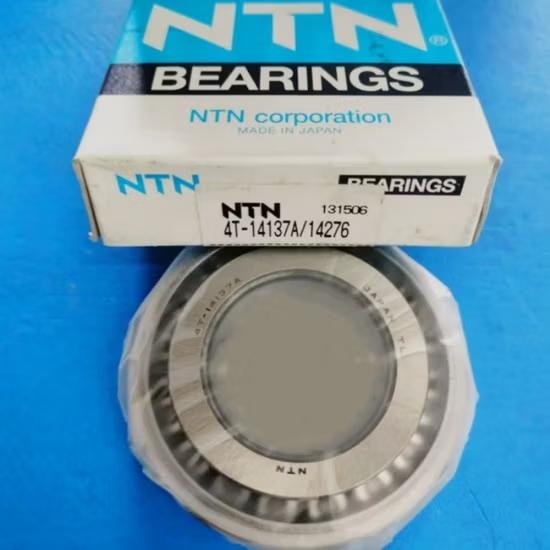
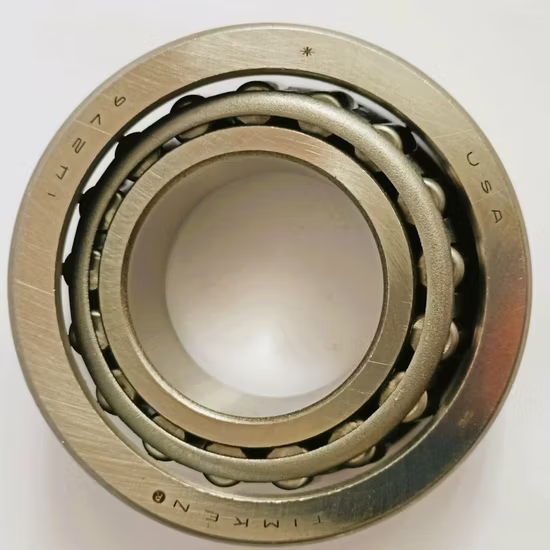
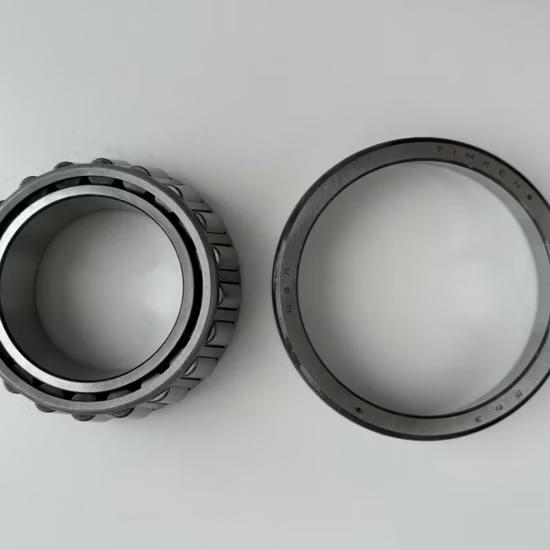
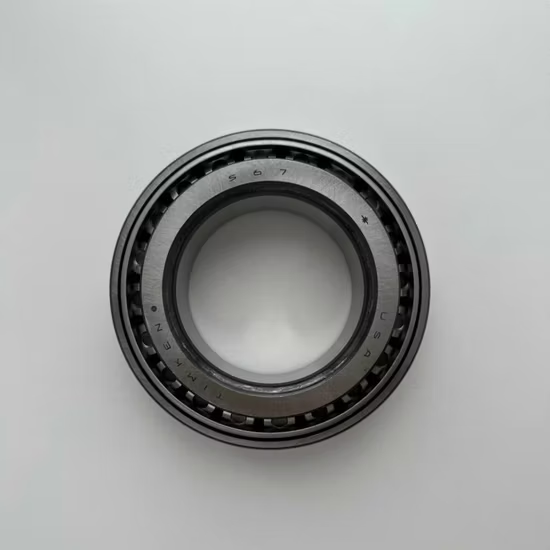
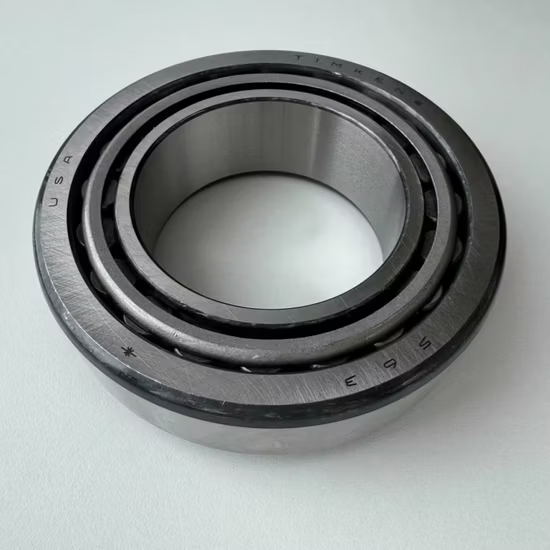
14137A/14276 Tapered Roller Bearing P4 — Manufactured from Gcr15 chrome steel, this unit delivers P4 precision for strict running accuracy in heavy truck axles.
Traceable Batch Origin — Every 14137A/14276 tapered roller bearing ships with manufacturer lot documentation to verify Gcr15 steel authenticity.
| Parameter | Value |
|---|---|
| Designation | 14137A/14276 |
| Bearing Type | Tapered Roller Bearing |
| Precision Class | P4 |
| Material | Gcr15 Chrome Steel |
| Cage Material | Available in nylon, brass, or pressed steel variants |
| Origin | Sourced from manufacturer facilities in Germany, Japan, Sweden, Malaysia, or China |
Note: The "A" suffix in the cone designation requires manufacturer catalog confirmation to verify the exact internal geometry modification.
| Industry | Typical Applications |
|---|---|
| Heavy Trucks | Wheel hubs and drive axles subject to high radial and axial loads |
| Industrial Gearboxes | Pinion shafts and output shafts requiring precise alignment |
| Automotive Repair | Replacement assemblies for commercial vehicle drivetrains |
Thermal binding from incorrect internal clearance destroys wheel hubs long before fatigue limits are reached.
In my years servicing commercial fleets across Latin America, I have seen countless axle assemblies lock up on steep descents. The root cause is rarely the load itself, but rather a mismatched internal design suffix that restricts thermal expansion under heavy braking. When a standard clearance is forced into a high-temperature hub application, the 14137A/14276 tapered roller bearing binding leads to catastrophic seizure. Procurement teams often match the base numbers perfectly while overlooking the critical suffix that dictates internal geometry, resulting in preventable downtime.
Heavy vehicle wheel hubs demand components that handle combined loads while dissipating intense friction heat. The 14137A/14276 tapered roller bearing addresses this by maintaining precise roller-to-raceway contact under dynamic shifting. Our technical team reviews your specific axle load profiles to ensure the selected internal geometry aligns with your operating temperatures, preventing the premature spalling that plagues generic replacements.
Commercial truck axles endure severe shock loads from uneven terrain alongside sustained radial forces during highway transit. Heavy braking generates immense heat, which transfers directly into the hub assembly and alters the internal clearance. If the lubrication cannot withstand these thermal spikes, the oil film breaks down, leading to metal-to-metal contact. Proper seal selection is equally critical to keep abrasive road dust out while retaining high-viscosity gear oil inside the hub cavity.
The P4 precision class ensures tighter tolerances in roller alignment, which minimizes friction heat generation during sustained high-speed transit. Utilizing Gcr15 chrome steel provides the necessary core hardness and fatigue resistance required for heavy-duty rolling contact. Depending on the specific operating environment, the assembly is available with nylon, brass, or pressed steel cage variants to balance weight, vibration damping, and temperature tolerance. This exact metallurgical consistency prevents the soft inner ring failures commonly found in counterfeit batches.
Overlooking a single internal design suffix during cross-referencing often leads to unplanned downtime that halts an entire logistics fleet. When the internal geometry does not match the OEM specification, the bearing operates with negative clearance once the hub reaches operating temperature. This thermal binding accelerates wear exponentially and can cause catastrophic damage to the axle spindle itself. According to ISO 281 standards, operating outside the designated clearance range severely compromises the calculated L10 life, voiding equipment warranties and inflating maintenance budgets.
We eliminate the risk of receiving cloned components with soft inner rings by providing full batch traceability for every shipment. While other suppliers might swap a brass cage for a nylon one without notice, we verify that the cage material and internal suffixes match your exact OEM requirements. Our cross-brand interchange expertise ensures that any alternative part number proposed maintains the identical contact angle and precision class. This rigorous technical vetting prevents the thermal binding issues I frequently diagnosed in the field.
To ensure optimal performance, please provide your specific radial and axial load data alongside expected operating temperatures. Sharing the exact OEM equipment number allows our engineering team to perform a precise cross-reference check on the internal design suffixes. This technical review guarantees the selected configuration matches your heavy truck or gearbox requirements perfectly.
Q: How do I verify the authenticity of the Gcr15 material in this bearing?
A: We provide a comprehensive material test report with every shipment, detailing the chemical composition of the Gcr15 chrome steel. Additionally, you can scan the packaging QR code using the manufacturer's official app to verify the batch origin. This dual-verification process effectively eliminates the risk of installing counterfeit parts with soft inner rings that fail under heavy loads.
Q: Why is the internal design suffix critical when cross-referencing this part?
A: Matching only the base numbers ignores crucial internal geometry modifications that dictate thermal expansion and load distribution. If the suffix is incorrect, the bearing may operate with negative clearance at high temperatures, causing thermal binding. We strictly verify these design details against your OEM specifications to ensure safe operation in heavy truck axles.
Q: What advantages does P4 precision offer in heavy vehicle wheel hubs?
A: P4 precision ensures exceptionally tight tolerances in roller and raceway geometry, which significantly reduces friction and heat generation during sustained highway speeds. This enhanced accuracy prevents the localized stress concentrations that lead to premature spalling in standard precision bearings, thereby extending the service interval for demanding commercial fleet applications.
Q: How should I choose between nylon, brass, or pressed steel cages?
A: The cage selection depends on your specific operating temperature and vibration profile. Brass cages offer superior durability and heat dissipation for severe heavy-duty axle applications, while pressed steel provides a cost-effective solution for standard loads. Nylon variants reduce weight and noise but have strict upper-temperature limits that must be evaluated against your hub operating conditions.
Our 5-step process ensures every order is engineered, validated, and supported for optimal performance.
Technical needs assessment
Custom specifications
Free samples for $50k+
Pre-shipment inspection
On-site & predictive
Our certified engineers respond within 24 hours with detailed technical specifications, pricing, and lead time information.