01
Consultation
Technical needs assessment

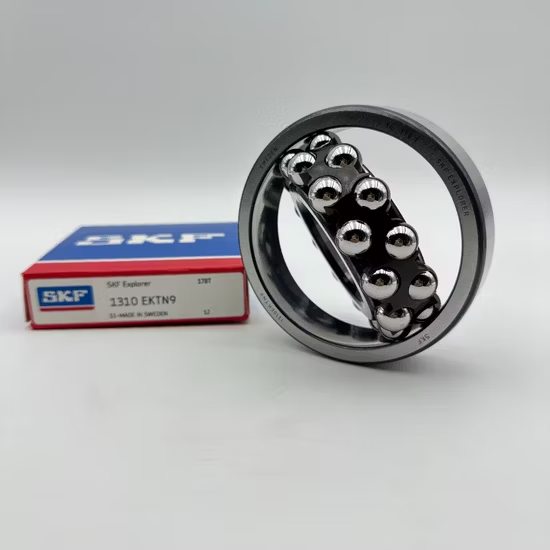

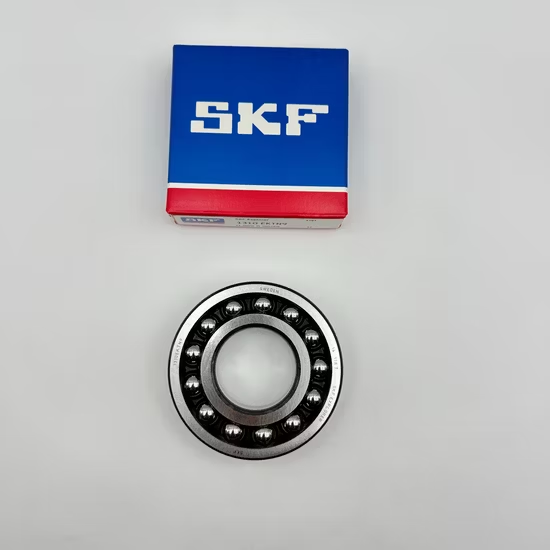
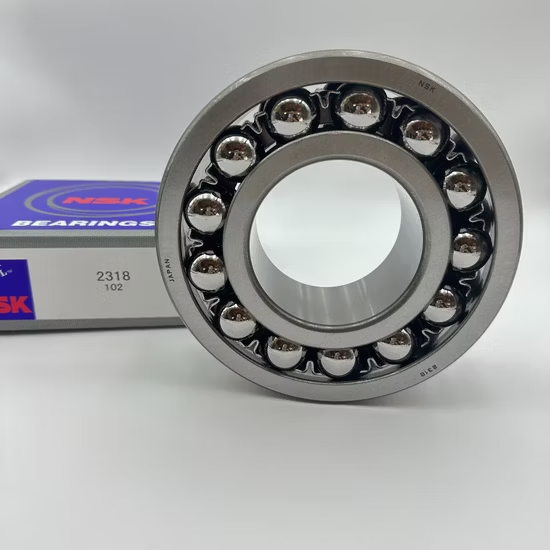
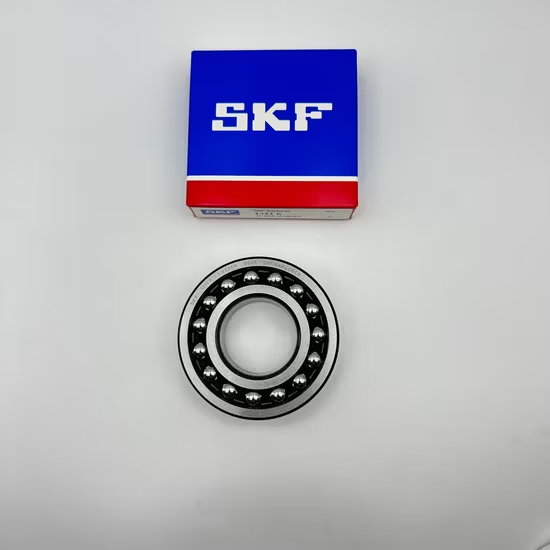
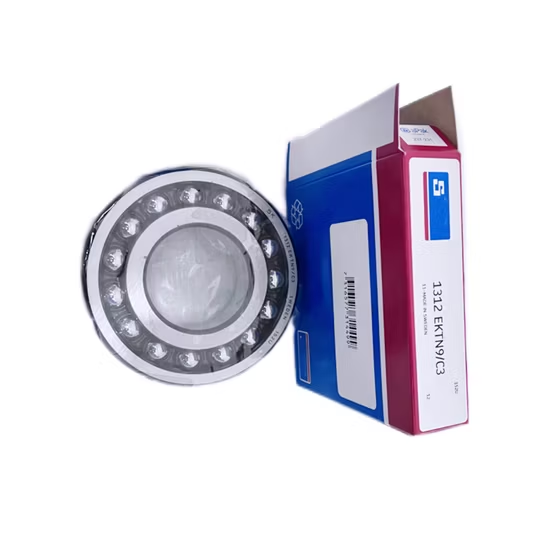
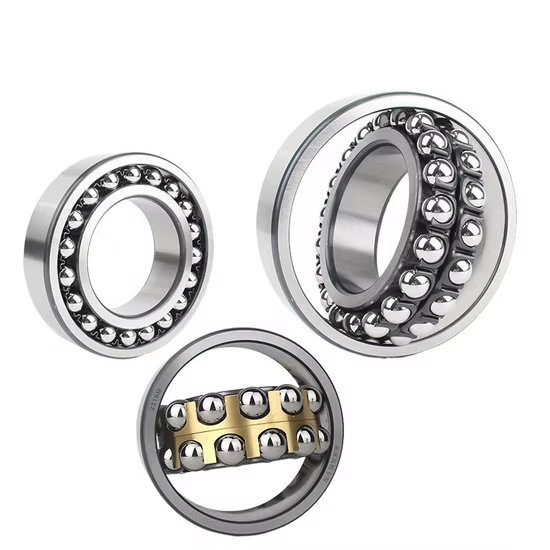
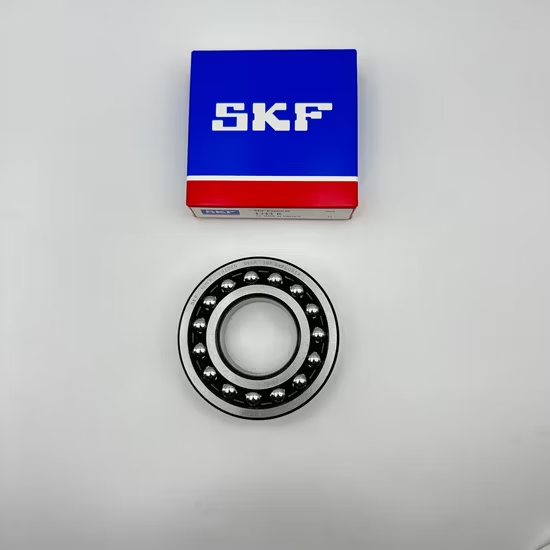
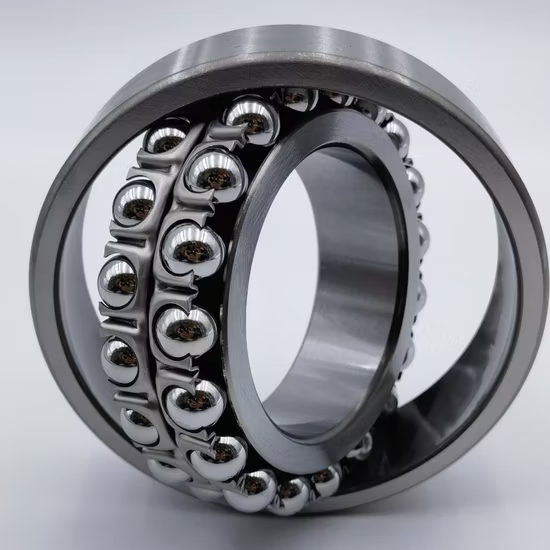
1310 2303 2304 2305 Self-Aligning Ball Bearing 50×110×27 mm
Multi-brand authorization coverage — sourcing the 1310 self-aligning ball bearing alongside 2303 2304 2305 variants in a single consolidated order eliminates the need to coordinate multiple suppliers.
| Parameter | Value |
|---|---|
| Designation | 1310 2303 2304 2305 |
| Product Type | Self-Aligning Ball Bearing |
| Bore Diameter (d) | 50 mm |
| Outside Diameter (D) | 110 mm |
| Width (B) | 27 mm |
| Bearing Style | Open, Rubber Seals, Iron Seals |
| Origin | Germany, Japan, Sweden, Malaysia, China |
Note: Suffix configurations for 2303, 2304, and 2305 remain unverified and require manufacturer catalog confirmation prior to final cross-referencing.
| Industry | Typical Applications |
|---|---|
| Material Handling | Conveyor belt tail pulleys and idler roller shafts subject to frame deflection |
| Agriculture | Combine harvester threshing cylinders and auger drive shafts exposed to crop dust |
| Industrial Gearboxes | Input and output shafts where housing bore alignment cannot be guaranteed |
| Textile Machinery | Spinning frame drafting rollers requiring low-friction self-alignment |
Self-aligning ball bearings compensate for static and dynamic angular misalignment that would otherwise cause edge loading and rapid fatigue in rigid bearing types.
In heavy industrial environments, structural deflection, thermal expansion of shafts, and machining tolerances in bearing blocks frequently create misalignment. When a standard deep groove ball bearing is forced into these conditions, the rolling elements concentrate stress on the edges of the raceway. This localized overloading generates excessive heat, degrades the lubricant, and leads to premature spalling. . By utilizing a 1310 self-aligning ball bearing, the outer ring spherical raceway allows the inner ring and ball assembly to pivot freely, neutralizing the angular discrepancy and maintaining even load distribution across the contact patch.
The primary advantage of the 1310 self-aligning ball bearing lies in its ability to accommodate angular misalignment between the shaft and the housing. This is particularly critical in long transmission shafts or applications where the supporting structure is prone to flexing under operational loads. Our technical review process ensures that the selected clearance class and seal configuration precisely match the specific deflection angles and environmental contamination levels of your equipment, preventing the internal binding that often plagues incorrectly specified self-aligning units.
Shafts in material handling and agricultural machinery endure a combination of radial loads, moderate axial thrust, and significant shock loading from uneven material flow or terrain variations. These environments also introduce abrasive particulates that can infiltrate the bearing cavity, accelerating wear. Temperature fluctuations during continuous operation dictate the thermal expansion of the shaft, which directly impacts the internal clearance of the bearing. Selecting the appropriate seal type—whether contact rubber seals for maximum dust exclusion or non-contact iron shields for higher speed capability with lower friction—requires a careful balance between contamination protection and operational temperature limits. .
The 50 mm bore, 110 mm outside diameter, and 27 mm width define a medium-series cross-section capable of handling substantial radial loads while maintaining a compact axial footprint. The spherical outer raceway is the defining geometric feature, granting the self-aligning capability essential for compensating housing errors. The availability of open, rubber-sealed, and iron-shielded variants allows procurement engineers to tailor the unit to the specific lubrication strategy of the machine. Open designs facilitate periodic relubrication in heavily contaminated zones, while sealed variants retain factory-filled grease, eliminating maintenance intervals in inaccessible locations. The internal clearance must be meticulously matched to the operating temperature; a standard CN clearance may suffice for ambient conditions, but elevated thermal environments demand a C3 clearance to prevent the internal geometry from tightening and causing thermal seizure.
Overlooking the internal clearance suffix during cross-referencing is a frequent cause of catastrophic field failures. I have investigated numerous cases where a standard clearance bearing was installed in a high-temperature application, resulting in the internal gap closing completely as the inner ring expanded. This thermal binding generates immense friction, rapidly destroying the cage and welding the rolling elements to the raceway. Such unplanned downtime not only halts production but can also cause secondary damage to the shaft and housing, leading to extensive repair costs and voided equipment warranties. .
Sourcing these components requires more than just matching the base numerical designation. We enforce a strict cross-reference protocol that verifies the clearance class, cage material, and seal type against the original equipment manufacturer's specifications, ensuring the replacement behaves identically under load. Our inventory provides authorized coverage across major international brands, allowing you to consolidate mixed-brand requirements into a single, traceable shipment. Every unit is backed by batch traceability to the manufacturer, enabling QR verification through official brand applications to eliminate the risk of counterfeit products with substandard metallurgy. Furthermore, our application-based selection review evaluates your specific load, speed, and temperature parameters to confirm the 50x110x27mm configuration is genuinely optimal for your machinery.
To ensure the selected self-aligning configuration perfectly matches your machinery, please provide the specific radial and axial load values, operational speed, and expected temperature range. If you are replacing an existing unit, sharing the OEM equipment number or the exact designation printed on the original bearing allows our engineering team to perform a precise cross-reference check. Detailing the environmental conditions, such as dust ingress or moisture exposure, helps us recommend the most appropriate seal or shield type for your application.
Q: Why is it critical to verify the internal clearance suffix when cross-referencing a 1310 self-aligning ball bearing?
A: Matching only the base dimension ignores the thermal expansion requirements of the application. Installing a standard clearance bearing in a high-heat environment causes the internal gap to close, leading to friction, cage failure, and thermal seizure. Verifying the suffix ensures the bearing accommodates the specific operating temperature safely.
Q: How do rubber seals and iron shields differ in their application for self-aligning ball bearings?
A: Rubber seals provide superior exclusion of fine dust and moisture, making them ideal for agricultural and dirty environments, but they generate higher friction. Iron shields offer non-contact protection against larger debris and allow for higher rotational speeds with less heat generation, suiting cleaner, high-speed industrial gearboxes.
Q: What information is required to accurately cross-reference the 2303, 2304, or 2305 variants?
A: Since the specific suffix configurations for these variants require manufacturer catalog confirmation, we need the exact OEM part number, the full designation from the existing bearing nameplate, or detailed operational parameters. This allows us to verify the precise clearance, cage, and seal requirements before sourcing.
Q: How does the spherical outer raceway of a self-aligning ball bearing prevent premature failure?
A: The spherical geometry allows the inner ring and ball assembly to pivot slightly within the outer ring. This compensates for static housing misalignment and dynamic shaft deflection, preventing the concentrated edge loading that causes rapid fatigue and spalling in standard rigid bearing types.
Our 5-step process ensures every order is engineered, validated, and supported for optimal performance.
Technical needs assessment
Custom specifications
Free samples for $50k+
Pre-shipment inspection
On-site & predictive
Our certified engineers respond within 24 hours with detailed technical specifications, pricing, and lead time information.