01
Consultation
Technical needs assessment



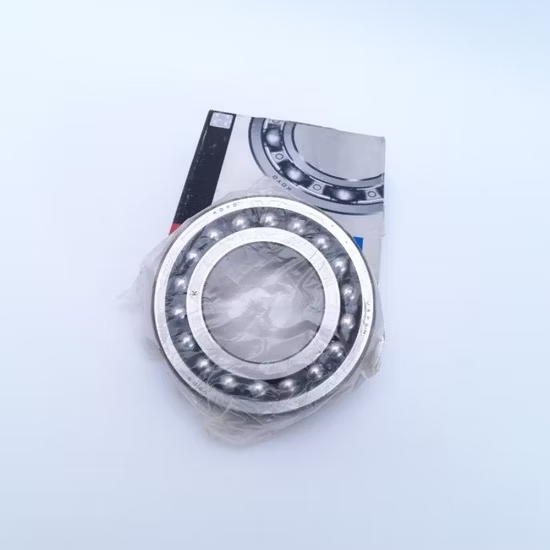
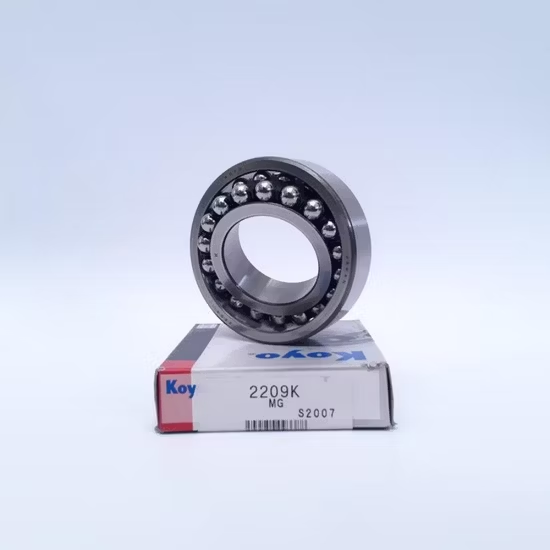
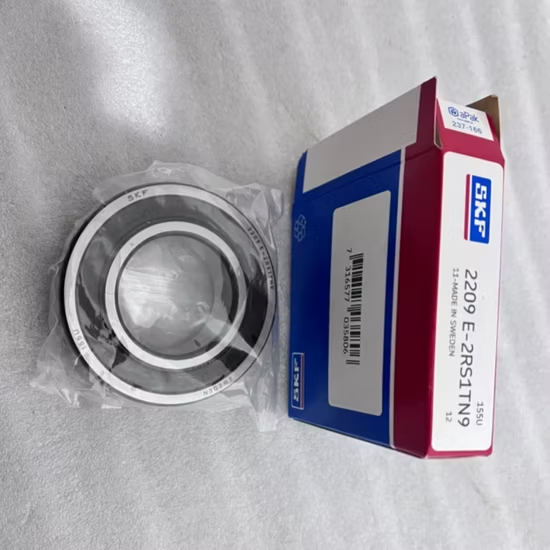
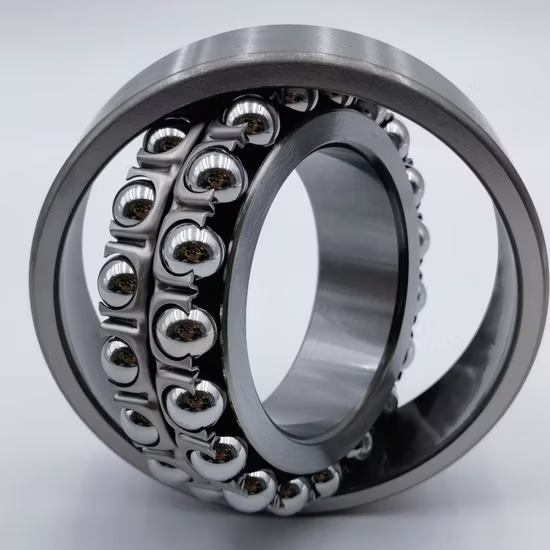
1200 1201 1202 1203 Self-Aligning Ball Bearing — offered in open, rubber-sealed, and iron-shielded variants to accommodate varying contamination levels in machine tool spindles and electric motors.
Full Brand Authorization — Sourcing the 1200 1201 1202 1203 self-aligning ball bearing from a single authorized channel eliminates multi-vendor coordination for mixed-brand requirements.
| Parameter | Value |
|---|---|
| Designation | 1200 1201 1202 1203 |
| Bearing Type | Self-Aligning Ball Bearing |
| Seal or Shield Type | Open, Rubber Seals, Iron Seals |
| Origin | Germany, Japan, Sweden, Malaysia, China |
| HS Code | 848210 |
| Industry | Typical Applications |
|---|---|
| Machine Tool Manufacturing | Spindle support structures requiring misalignment compensation |
| Electric Motor Production | Rotor shaft supports subject to minor housing deflections |
| Industrial Gearbox Assembly | Intermediate shaft mounting where thermal expansion occurs |
| Textile Machinery | High-speed roller guides experiencing dynamic frame vibration |
Matching the base designation without verifying internal clearance and seal types leads directly to thermal binding and premature cage failure.
During my years running field inspections in Dubai, I witnessed numerous equipment breakdowns traced back to procurement errors. A frequent scenario involves maintenance teams replacing an original unit with a standard clearance variant, ignoring the specific thermal expansion requirements of the application. When the machinery reaches operating temperature, the lack of adequate internal clearance causes the rolling elements to bind, generating excessive heat and ultimately destroying the bearing. This exact failure mode plagues the 1200 1201 1202 1203 self-aligning ball bearing range when cross-referencing is limited to basic dimensions . Procurement engineers often assume that if the bore and outside diameter match, the component is interchangeable, overlooking critical internal geometries.
Selecting the correct variant from the 1200 1201 1202 1203 self-aligning ball bearing lineup requires a detailed review of the operating environment. Machine tool spindles and gearbox shafts frequently experience minor misalignments due to housing deflections under load. Our technical team reviews the specific radial and axial loads, rotational speeds, and ambient temperatures to recommend the precise seal type and internal geometry. This application-based selection process ensures the component integrates seamlessly with the equipment's thermal and mechanical profile, preventing unplanned downtime caused by specification mismatches.
The operating environment dictates the necessary protection and internal clearance for these components. In textile machines or agricultural equipment, heavy particulate contamination necessitates robust sealing solutions, whereas high-speed electric motor applications might prioritize the lower friction of open or iron-shielded designs to minimize heat generation. Temperature fluctuations significantly impact internal clearance; a component installed with standard clearance in a high-heat environment will experience thermal expansion that reduces the internal gap to zero, causing catastrophic seizure . Proper lubrication selection and sealing integration are therefore critical to maintaining operational stability.
The availability of Open, Rubber Seals, and Iron Seals provides distinct advantages depending on the contamination level and speed requirements. Open designs allow for external lubrication and offer the lowest friction, making them suitable for high-speed, clean environments like certain machine tool spindles. Iron shields provide basic protection against large particles without introducing significant friction, while rubber seals offer superior exclusion of fine dust and moisture, albeit with a slight increase in rotational resistance. Sourcing options from Germany, Japan, Sweden, Malaysia, and China allow procurement managers to balance stringent quality requirements with budget constraints and lead-time expectations.
Relying solely on visual inspection or basic dimensional checks often results in installing components that fail to meet the application's dynamic requirements. A mismatched internal clearance or inappropriate seal type accelerates wear, leading to premature failure and voiding equipment warranties. The financial impact extends far beyond the replacement part cost, encompassing lost production time, secondary damage to shafts and housings, and emergency freight expenses. Adhering to rigorous selection protocols mitigates these risks, ensuring the machinery operates within its designed fatigue life parameters .
Our distribution network provides authorized coverage across all major international brands, consolidating mixed-brand requirements into a single, traceable order. We address the prevalent issue of counterfeit components by ensuring every batch is verifiable through official manufacturer applications. Cross-brand interchange requests are evaluated not just on base dimensions, but by matching internal clearance, cage materials, and precision grades to prevent field failures. This rigorous technical review process, combined with comprehensive application-based selection support, ensures that the exact specification required by the equipment is delivered, regardless of the brand chosen.
To facilitate an accurate technical review and cross-reference verification, please provide the specific operating parameters of your application. Supplying details such as radial and axial loads, rotational speeds, operating temperatures, and environmental contamination levels allows our engineering team to confirm the optimal internal clearance and seal configuration. If replacing an existing component, sharing the original equipment manufacturer part number or the exact designation printed on the current unit ensures precise alignment with your machinery's requirements, delivering a solution that guarantees operational reliability.
Q: How can I verify the authenticity of these self-aligning ball bearings upon delivery?
A: Authenticity is confirmed through batch traceability and QR codes that link directly to the manufacturer's official verification applications. We supply a Certificate of Conformity and dimensional inspection reports with every shipment, ensuring the 1200 1201 1202 1203 self-aligning ball bearing components meet original equipment specifications and are free from counterfeit materials.
Q: What are the critical cross-reference pitfalls regarding clearance and seal types for this series?
A: The most common error is matching the base designation while ignoring internal clearance and seal requirements. Installing a standard clearance variant in a high-temperature application causes thermal binding, while using open bearings in contaminated environments leads to rapid wear. Our technical review ensures all parameters align with your specific operating conditions.
Q: How do I select the correct seal type based on my operating environment?
A: Open designs are ideal for high-speed, clean environments requiring external lubrication. Iron shields offer basic particle exclusion with minimal friction, suitable for general industrial gearboxes. Rubber seals provide maximum protection against fine dust and moisture, making them essential for agricultural or textile machinery operating in harsh, contaminated conditions.
Q: What documentation is required to prove country-of-origin and material compliance?
A: We provide comprehensive documentation including a Certificate of Conformity, material test reports, and official country-of-origin certificates. These documents verify the manufacturing source and metallurgical compliance, facilitating smooth customs clearance and ensuring the components meet stringent regional quality and safety standards for industrial machinery applications.
Our 5-step process ensures every order is engineered, validated, and supported for optimal performance.
Technical needs assessment
Custom specifications
Free samples for $50k+
Pre-shipment inspection
On-site & predictive
Our certified engineers respond within 24 hours with detailed technical specifications, pricing, and lead time information.