01
Consultation
Technical needs assessment

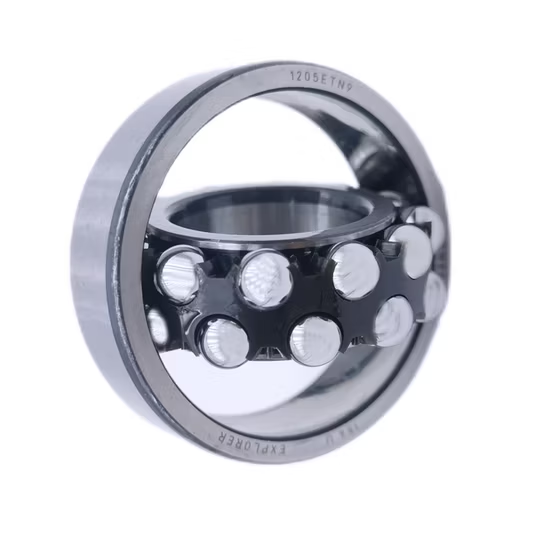
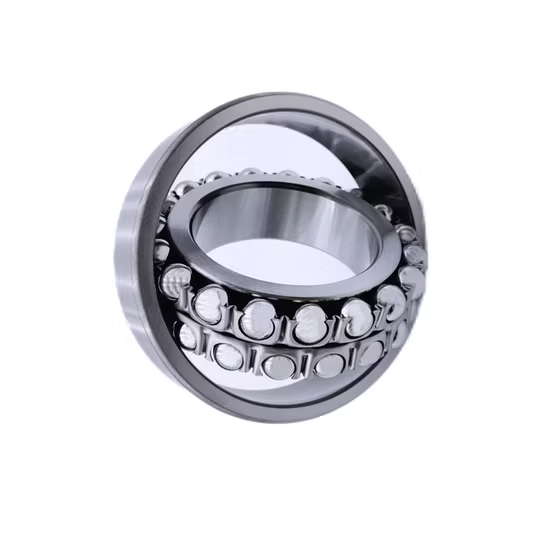

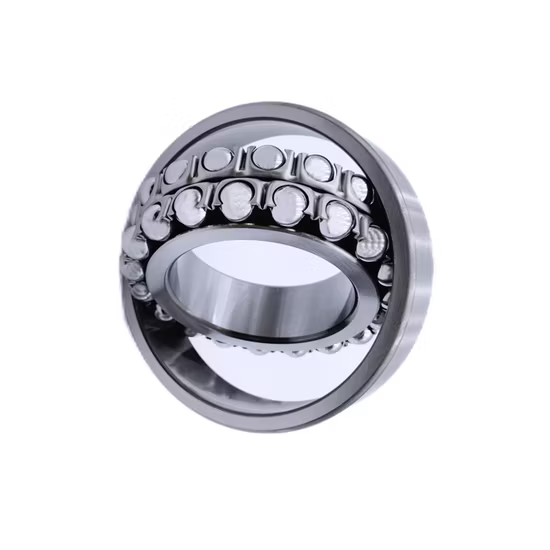
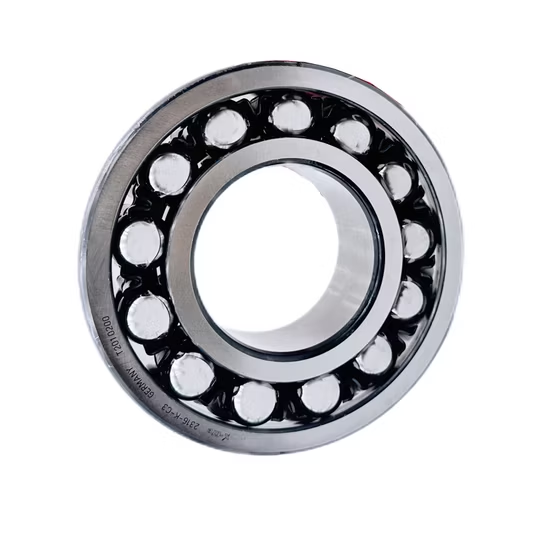
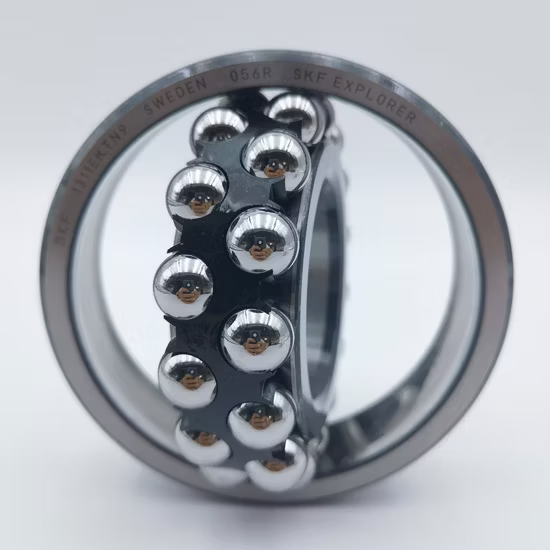
1202 Self-Aligning Ball Bearing utilizes silicon nitride ceramic elements and a double-row structure to compensate for shaft misalignment in electric motors and industrial gearboxes.
Full-Batch Traceability — Every 1202 ceramic self-aligning ball bearing shipped includes verifiable lot documentation linking directly to the manufacturer's production records.
| Parameter | Value |
|---|---|
| Designation | 1202 |
| Bearing Type | Self-Aligning Ball Bearing |
| Number of Rows | Double Row |
| Material Options | Silicon Nitride (Si3N4) Ceramic or Standard Bearing Steel |
| Bearing Style | Open, Rubber Seals, Iron Seals |
| Feature | Low Noise, High Speed, Long Service Life |
| Origin | Germany / Japan / Sweden / Malaysia / China |
| HS Code | 848210 |
Note: The "CE" designation sometimes seen in market listings for this size is an unverified suffix requiring specific manufacturer catalog confirmation before procurement.
| Industry | Typical Applications |
|---|---|
| Electric Motors | High-speed rotor shafts requiring misalignment compensation |
| Industrial Gearboxes | Intermediate shafts subject to housing deflection under load |
| Material Handling | Conveyor roller drive ends experiencing structural frame flexing |
| Pumps & Compressors | Impeller shafts operating with minor thermal expansion offsets |
Matching the internal clearance to the operating temperature prevents thermal binding before the motor even reaches full speed.
Procurement engineers frequently encounter premature failures in small electric motors and gearboxes because the internal clearance was selected based on standard catalog defaults rather than actual thermal expansion. When a standard clearance bearing is installed in an application that generates significant heat, the rolling elements expand and eliminate the necessary internal play. This leads to excessive friction, rapid temperature spikes, and eventual cage failure. Sourcing a genuine 1202 ceramic self-aligning ball bearing with the correct clearance class ensures the shaft can deflect and expand without binding the raceways .
Selecting the right rolling element material is critical when specifying a 1202 ceramic self-aligning ball bearing for high-speed electric motors. While standard bearing steel performs reliably in general industrial environments, applications demanding extended high-speed operation benefit from silicon nitride ceramic variants. Ceramic rolling elements are noticeably lighter than steel, reducing centrifugal forces on the cage and allowing for higher limiting speeds with lower friction heat generation. Our technical team reviews your specific speed and load parameters to recommend whether ceramic or steel variants best suit your motor design.
Industrial gearboxes and conveyor drives subject small self-aligning bearings to complex radial loads combined with housing deflections. The double-row design with a sphered outer ring raceway accommodates these angular misalignments, preventing edge-loading on the raceways. However, elevated operating temperatures can degrade standard lubricants and alter internal clearances. Selecting the appropriate seal type—whether open for external oil circulation, rubber seals for dust exclusion, or iron shields for low-friction grease retention—must align with the gearbox's specific thermal and contamination profile .
The internal geometry and sealing configuration dictate the operational boundaries of this double-row bearing. An open design allows for maximum speed and external lubrication but requires a clean housing environment. Rubber contact seals provide excellent protection against moisture and particulate ingress but introduce friction that limits top-end speed. Iron non-contact shields offer a middle ground, retaining grease while minimizing frictional heat. Furthermore, specifying a C3 clearance instead of standard CN is often necessary in motor applications to accommodate the thermal expansion of the shaft and housing during continuous operation, preventing the raceways from pinching the balls.
Overlooking minor designation details often results in catastrophic damage rather than simple wear. Installing a standard clearance bearing in a high-temperature motor causes thermal binding, leading to unplanned downtime and destroyed shafts. Similarly, using a rubber-sealed variant in an application requiring oil-mist lubrication starves the bearing, causing rapid cage disintegration. These premature failures void equipment warranties and disrupt production schedules, costing far more than the initial price difference of specifying the exact correct variant from the start .
We prioritize technical accuracy over simple part-number matching. Our cross-reference process verifies that the internal design, cage material, and seal type align perfectly with your OEM requirements, not just the base 1202 number. We provide full batch traceability, ensuring every bearing can be verified through official brand applications to eliminate the risk of counterfeit components with soft inner rings. Our application-based selection review evaluates your specific load, speed, and temperature conditions to confirm the optimal clearance and material choice before the order is finalized.
To ensure the selected 1202 variant meets your exact operational requirements, please provide your radial and axial load estimates, operating speed, and expected thermal environment. Sharing the OEM equipment number or existing housing dimensions allows our engineering team to perform a precise cross-reference and L10 life calculation. Detailing the presence of dust, moisture, or chemical exposure helps us recommend the most appropriate seal type and material option for your application.
Q: How do I verify the authenticity of the ceramic material in these bearings?
A: Counterfeit ceramic bearings often use coated steel or inferior grades that fail under high speeds. We supply material test reports confirming genuine Silicon Nitride (Si3N4) composition. Additionally, every batch includes traceability documentation and QR codes that can be scanned using the official manufacturer's application to verify the origin and authenticity of the components before installation.
Q: What cross-reference factors matter beyond the base 1202 number?
A: Matching the base number is insufficient if the internal clearance or seal type differs from the original equipment design. A standard clearance bearing will bind in a hot motor, while an incorrect seal causes lubrication failure. We cross-reference the exact suffix combinations, ensuring the internal geometry, cage material, and shielding match your specific operational demands and OEM specifications.
Q: When should I choose ceramic over standard steel for this self-aligning bearing?
A: Ceramic rolling elements are preferable in high-speed electric motors or applications requiring electrical insulation, as they are noticeably lighter and non-conductive. Standard steel remains the cost-effective choice for general gearboxes and conveyors operating at moderate speeds. We evaluate your specific speed, load, and thermal parameters to recommend the most reliable material option for your machinery.
Q: How do I select the right seal type for my operating environment?
A: Open bearings suit clean, oil-lubricated gearboxes, while rubber contact seals protect against dust and moisture in harsh conveyors at the cost of some speed limit. Iron shields provide low-friction grease retention for high-speed motors. Selecting the correct style prevents contamination ingress and friction-induced overheating, extending the service life of the self-aligning assembly.
Our 5-step process ensures every order is engineered, validated, and supported for optimal performance.
Technical needs assessment
Custom specifications
Free samples for $50k+
Pre-shipment inspection
On-site & predictive
Our certified engineers respond within 24 hours with detailed technical specifications, pricing, and lead time information.