01
Consultation
Technical needs assessment

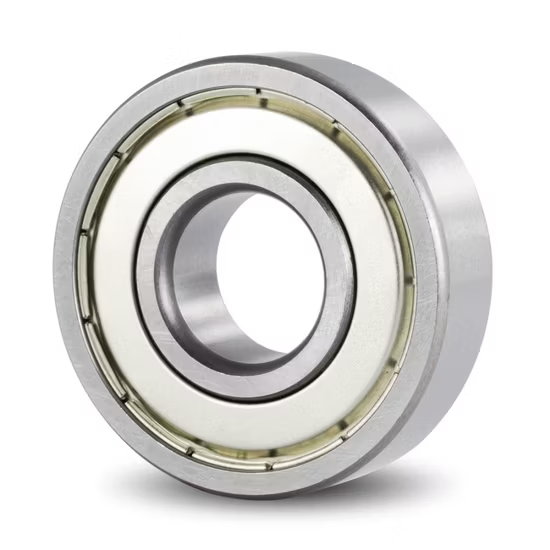
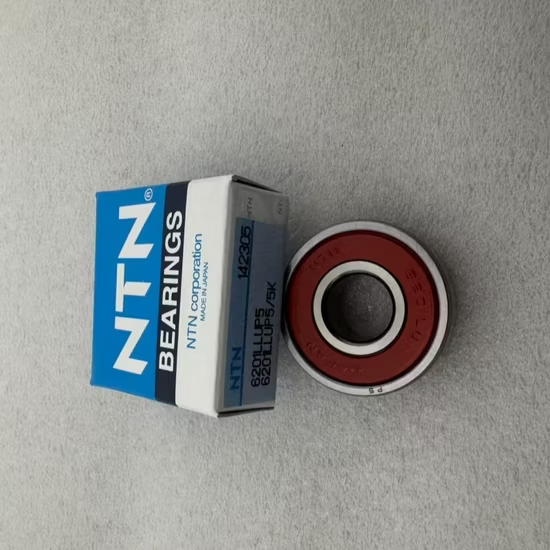

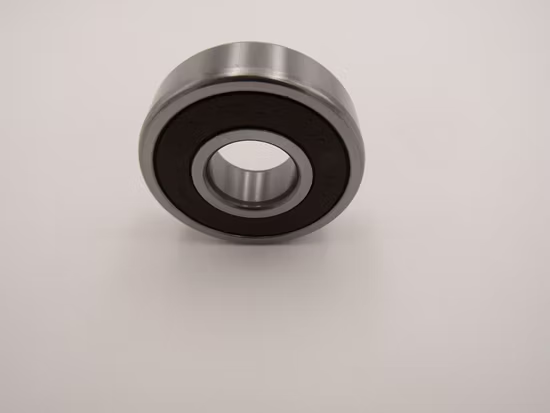
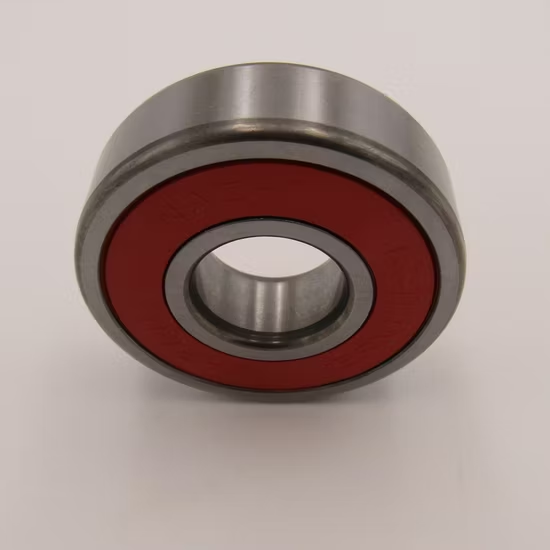

NTN 6204 Deep Groove Ball Bearing features standard internal design and normal clearance for versatile industrial applications.
Multi-Brand Authorized Sourcing — Consolidate your NTN 6204 deep groove ball bearing requirements alongside other major international brands in a single shipment, eliminating complex multi-vendor coordination.
| Parameter | Value |
|---|---|
| Designation | NTN 6204 |
| Bearing Type | Deep Groove Ball Bearing |
| Seal or Shield Type | Open / Rubber Seals / Iron Seals |
| Noise and Vibration Level | Z1V1 / Z2V2 / Z3V3 / Z4V4 |
| Clearance Class | Normal (CN) as base designation |
| Origin | Japan |
| Industry | Typical Applications |
|---|---|
| Electric Motors | Rotor shaft support requiring low noise and high rotational stability |
| Industrial Gearboxes | High-speed input shafts managing continuous radial loads |
| Pumps and Conveyors | Drive rollers and impeller shafts in continuous duty cycles |
| Household Appliances | Washing machine drum supports and fan motor assemblies |
Matching the base designation is never enough when thermal expansion alters internal clearances during operation.
Sourcing teams often focus strictly on the core number, overlooking how crucial suffix variations are for field reliability. I have seen motor manufacturers install standard clearance variants in high-temperature environments, only to face thermal binding and complete seizure shortly after startup. Many suppliers simply match the base digits without verifying the required clearance or seal type, leading to catastrophic field failures that trace back to a simple suffix omission .
When sourcing the NTN 6204 deep groove ball bearing, matching the seal type to your contamination level is critical. We review your specific dust and moisture exposure to recommend the exact rubber or iron shield configuration, ensuring the internal grease remains uncontaminated. This application-based selection review prevents premature wear caused by using open variants in dirty environments or high-friction seals in high-speed setups.
Electric motors and gearboxes subject these components to continuous radial loads and high rotational speeds, demanding strict vibration control. Operating temperatures directly dictate the necessary internal clearance; a standard setup will bind if the housing expands significantly under heat. Lubrication retention is equally vital, where the choice between contact rubber seals and non-contact iron shields balances contamination exclusion against frictional heat generation .
The absence of a suffix on this model indicates a standard internal design with normal clearance, which is ideal for typical ambient temperature applications. For environments with elevated heat, selecting a variant with increased internal clearance prevents the rolling elements from binding as the rings expand. Furthermore, the available noise and vibration grades, ranging from standard to ultra-quiet, dictate the running accuracy and surface finish of the raceways. Specifying the correct Z/V level ensures smooth operation in precision appliances or sensitive electric motors without generating excessive acoustic emissions.
Installing a standard clearance variant in a high-heat application inevitably leads to thermal binding and unplanned downtime. Such premature failures not only destroy the component but can also cause catastrophic damage to the surrounding motor windings or gearbox housings. According to ISO 281 fatigue life calculation principles, ignoring the actual operating temperature and load conditions invalidates any theoretical lifespan estimates . This oversight frequently results in warranty voidance and costly production halts.
We provide authorized coverage across all major brands, allowing you to fulfill mixed-brand requirements in one order. Every batch features full traceability to the manufacturer, verified via QR codes through official apps to eliminate cloned counterfeits. Our cross-brand interchange process strictly matches clearance, cage, and precision suffixes rather than just the base number. We conduct an application-based selection review covering your specific load, speed, and temperature conditions. This ensures you receive the exact configuration required, avoiding the common trap of receiving a visually identical but internally incompatible part.
To ensure precise technical alignment, please share your specific radial and axial loads, operating speeds, and ambient temperature ranges. Providing the exact OEM equipment number allows our engineering team to perform a thorough cross-reference check, verifying that the seal type and internal clearance perfectly match the original design intent. This technical复核 guarantees that the supplied components will withstand your exact operational demands without unforeseen modifications.
Q: How can I verify the authenticity of the received units?
A: You can scan the QR code on the packaging using the official manufacturer app to confirm the batch origin. We also provide a Certificate of Conformity and material test reports with every shipment. This multi-layered verification completely eliminates the risk of installing counterfeits with soft inner rings that pass casual visual inspections but fail under load.
Q: What is the selection boundary between rubber and iron seals?
A: Rubber seals provide superior protection against moisture and fine dust but generate slightly more frictional heat due to contact. Iron shields offer non-contact protection suitable for high-speed applications where keeping friction low is critical. We review your specific contamination and speed parameters to recommend the optimal configuration.
Q: How do Z1V1 to Z4V4 grades affect precision equipment?
A: These grades define the strictness of noise and vibration limits during rotation. Higher grades like Z4V4 feature tighter raceway tolerances and superior surface finishes, ensuring exceptionally smooth operation. This is mandatory for sensitive electric motors and household appliances where acoustic emissions and micro-vibrations must be strictly minimized.
Q: What suffixes must align during cross-brand interchange?
A: Beyond the base number, you must strictly align the internal clearance class, seal or shield type, and the specific noise/vibration grade. Failing to match these parameters means the replacement might physically fit but will suffer from thermal binding or excessive noise in the field.
Q: How is lubrication managed for high-speed motor applications?
A: Sealed variants are pre-lubricated at the factory with grease specifically chosen for the intended speed and temperature range, requiring no maintenance. Open variants require the application to supply continuous oil or grease circulation. We verify your housing design to ensure the chosen lubrication method matches the operational speed limits.
Our 5-step process ensures every order is engineered, validated, and supported for optimal performance.
Technical needs assessment
Custom specifications
Free samples for $50k+
Pre-shipment inspection
On-site & predictive
Our certified engineers respond within 24 hours with detailed technical specifications, pricing, and lead time information.


