01
Consultation
Technical needs assessment


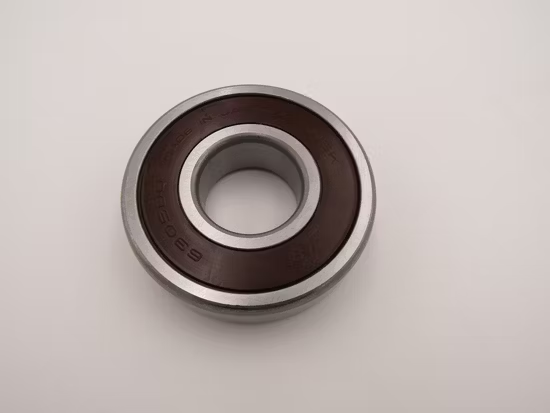
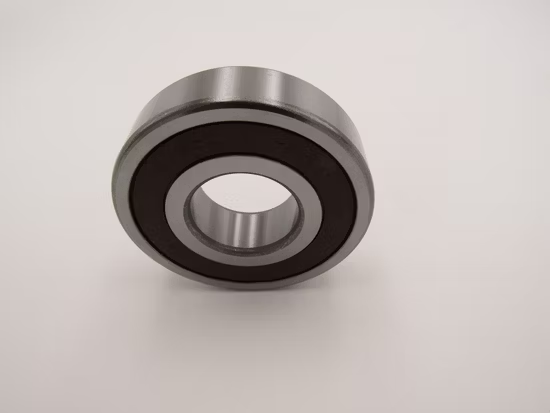
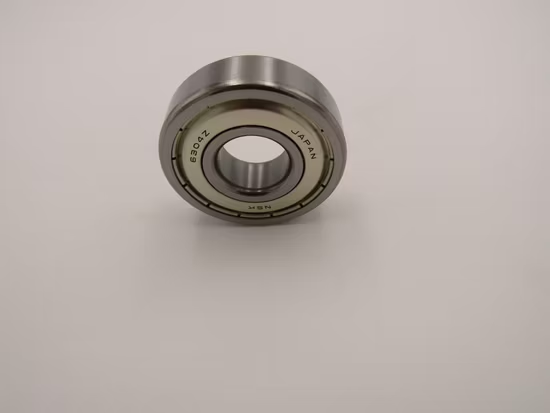
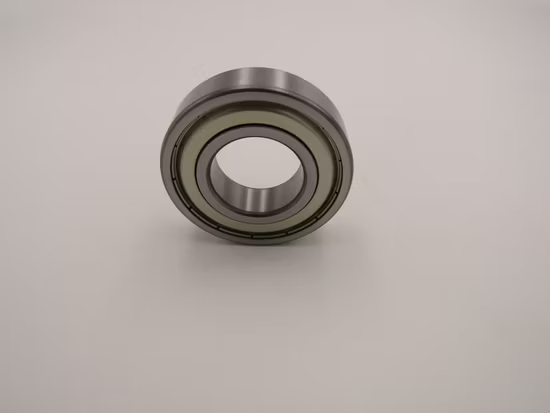
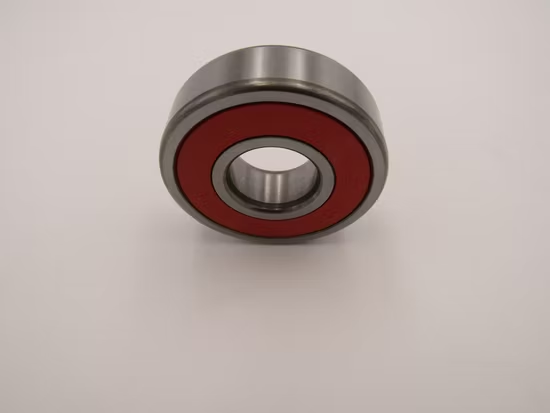
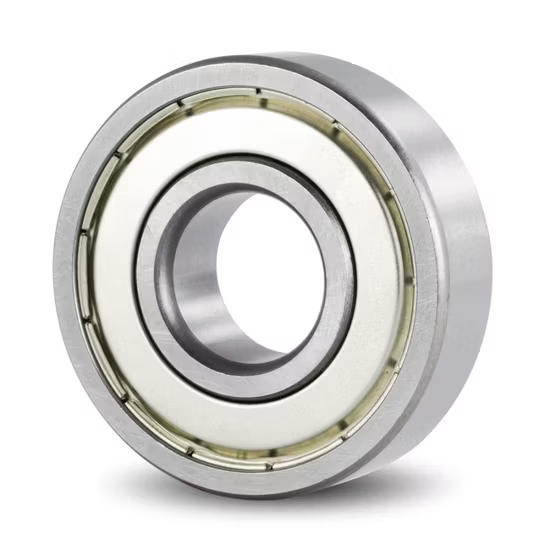
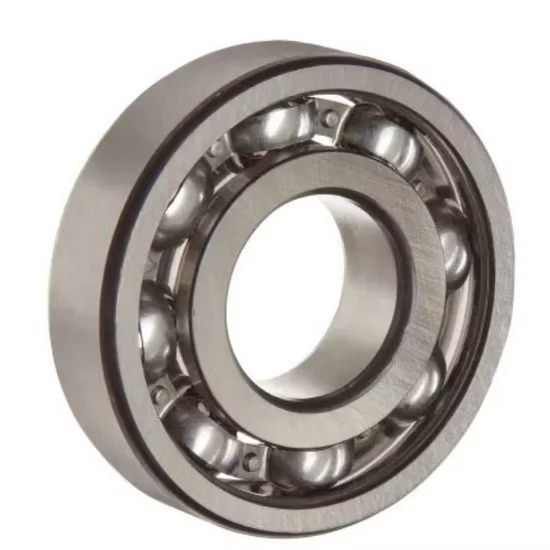
6303 6304 6305 6306 6307 6308 Deep Groove Ball Bearings P0 CN — chrome steel construction available in open, rubber, or iron shield configurations.
Cross-Reference Alignment — Base designation, clearance class, and seal type must perfectly match to prevent thermal binding in wheelchair applications.
| Parameter | Value |
|---|---|
| Designation | 6303 6304 6305 6306 6307 6308 |
| Bearing Type | Deep Groove Ball Bearing |
| Material | Chrome Steel |
| Seal or Shield Type | Open, Rubber Seals, Iron Seals |
| Noise and Vibration Level | Z1V1, Z2V2, Z3V3, Z4V4 |
| Clearance Class | CN (Normal) |
| Precision Class | P0 (Normal) |
| Origin | Germany, Japan, Sweden, Malaysia, China |
| Industry | Typical Applications |
|---|---|
| Medical Mobility | Wheelchair wheel hubs, motorized scooter drive axles |
| Industrial Machinery | Small electric motor shafts, conveyor roller ends |
| Fluid Equipment | Centrifugal pump impeller supports, gearbox input shafts |
Ignoring suffix variations during cross-referencing turns a simple replacement into a premature failure.
In the workshop, I have dismantled countless wheelchair hubs where the inner ring scored deeply against the shaft. The root cause is rarely the chrome steel itself, but rather a mismatched seal creating excessive friction or a standard CN clearance suffocating under continuous friction heat. When purchasing teams focus solely on the base number, they overlook how internal design variations dictate field survival . A visually identical bearing can easily trigger thermal binding if the application demands a specific seal friction profile or a wider internal clearance.
Selecting the right 6303 6304 6305 6306 6307 6308 deep groove ball bearing requires looking past the basic dimensions. For wheelchair applications, the priority is minimizing rotational resistance while keeping contaminants out of the raceway. We evaluate the exact operating environment to recommend the optimal balance between seal friction and pollution protection, ensuring the chrome steel races deliver their full fatigue life under continuous radial loads.
Wheelchair bearings endure a punishing mix of low-speed oscillation, sudden radial impacts from uneven terrain, and constant exposure to dust and moisture. Rubber seals provide excellent contamination exclusion but introduce rotational drag, which directly impacts user effort and battery range in motorized units. Iron shields offer lower friction but allow fine particulate ingress over time. Furthermore, continuous friction generates localized heat; if the internal clearance is too tight, the thermal expansion of the chrome steel rings eliminates the operating gap, leading to catastrophic cage failure .
The distinction between open, rubber-sealed, and iron-shielded variants dictates the maintenance cycle and operational smoothness. Rubber seals are essential for outdoor mobility equipment where water and grit are unavoidable, while iron shields suit cleaner indoor environments or enclosed gearboxes. The Z1V1 through Z4V4 noise and vibration classifications are equally critical; higher grades undergo stricter geometric sorting to ensure the rolling elements and raceways interact with minimal harmonic disturbance, providing the quiet, smooth rotation expected in premium medical mobility devices.
Specifying a bearing based only on its base number often results in unplanned downtime and voided equipment warranties. If an iron-shielded variant is installed in a wet environment, moisture ingress rapidly degrades the grease, accelerating surface fatigue. Conversely, using a high-friction rubber seal in a high-speed electric motor generates excess heat, breaking down the lubricant film. These mismatched conditions drastically shorten the L10 life and lead to catastrophic damage to the surrounding housing .
Sourcing genuine components requires more than just matching the stamped numbers on the shield. We verify that the internal clearance and seal type perfectly align with your OEM specifications, preventing the common trap of receiving a standard CN clearance when a C3 was originally designed for thermal expansion. Every batch we supply includes full traceability to the manufacturer's production facilities, eliminating the risk of counterfeit rings with substandard hardness. Our technical review ensures the noise and vibration grade matches your specific acoustic and smoothness requirements.
To ensure the selected 6303 6304 6305 6306 6307 6308 deep groove ball bearing perfectly fits your assembly, please share your specific radial and axial load profiles, operating speeds, and environmental exposure. Providing the original OEM equipment number allows us to perform a comprehensive cross-reference check, verifying that the clearance, seal type, and precision class match the original design intent. Our engineering team will review these parameters to recommend the exact suffix combination that maximizes service life and minimizes rotational friction.
Q: Why must clearance and seal suffixes be matched during cross-referencing?
A: Matching only the base designation ignores critical internal differences. A standard CN clearance might cause thermal binding in continuous-use wheelchair hubs, while an incorrect seal type alters friction and contamination resistance. We verify all three parameters to ensure the replacement behaves exactly like the original design under your specific operating conditions.
Q: How do I choose between rubber seals and iron shields for my application?
A: Rubber seals provide superior protection against water, dust, and grit, making them ideal for outdoor medical mobility equipment, though they add slight rotational friction. Iron shields offer lower friction and are better suited for clean, enclosed environments like electric motors or gearboxes where extreme contamination is not a primary concern.
Q: What is the practical difference between Z1V1 and Z4V4 vibration grades?
A: The Z and V classifications indicate the strictness of geometric sorting and surface finish quality. Z4V4 represents the highest precision level, significantly reducing harmonic vibration and acoustic noise. This is essential for premium medical devices and precision spindles where smooth, quiet rotation is a strict operational requirement.
Q: How can I verify the authenticity of the bearings I receive?
A: We provide comprehensive batch traceability documentation and a Certificate of Conformity for every shipment. You can scan the QR codes on the packaging using the manufacturer's official mobile application to instantly verify the origin, ruling out the risk of counterfeit products with substandard inner ring hardness.
Our 5-step process ensures every order is engineered, validated, and supported for optimal performance.
Technical needs assessment
Custom specifications
Free samples for $50k+
Pre-shipment inspection
On-site & predictive
Our certified engineers respond within 24 hours with detailed technical specifications, pricing, and lead time information.