01
Consultation
Technical needs assessment


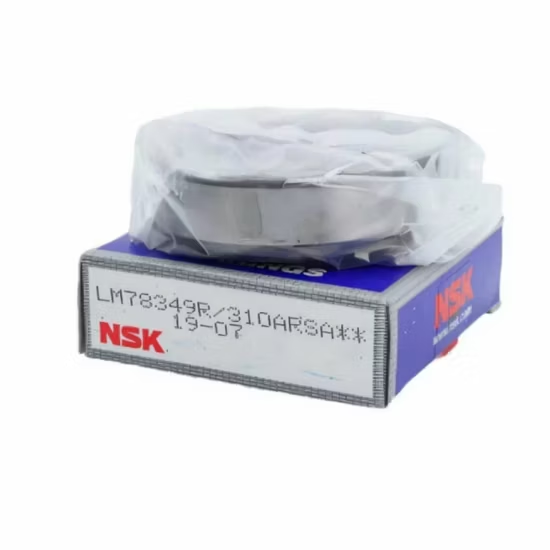
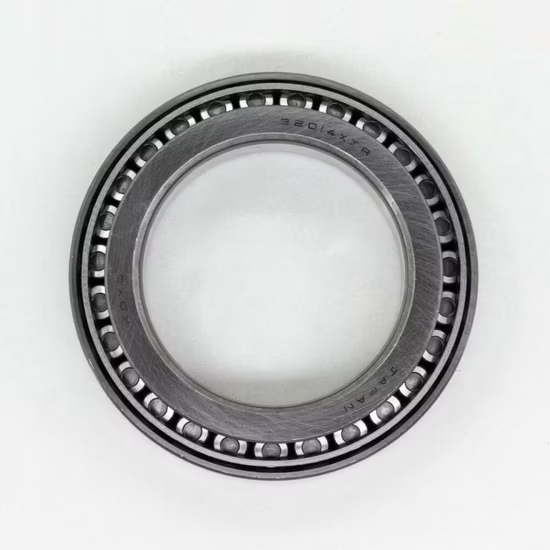
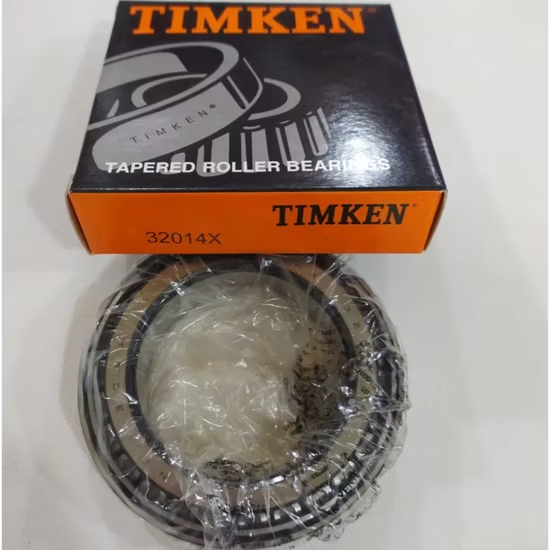
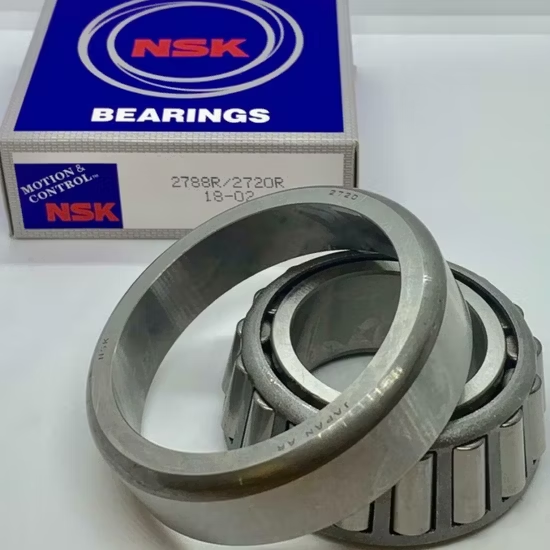
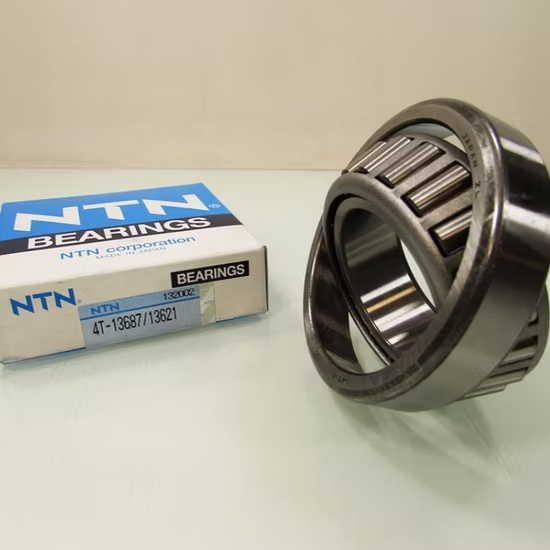
33021 Tapered Roller Bearing 105×160×43 mm — standard internal geometry effectively manages combined radial and axial loads in heavy machinery.
Original Batch Traceability — Every 33021 unit ships with verifiable manufacturer lot documentation to confirm material origin and production dates.
| Parameter | Value |
|---|---|
| Designation | 33021 |
| Bearing Type | Tapered Roller Bearing |
| Bore Diameter (d) | 105 mm |
| Outside Diameter (D) | 160 mm |
| Width (T) | 43 mm |
| Precision Class | P4 |
| Cage Material | Nylon / Brass / Iron (options) |
| Material | GCr15 |
| Origin | Germany / Japan / Sweden / Malaysia / China |
| Industry | Typical Applications |
|---|---|
| Industrial gearboxes | Heavy-duty reduction gear shafts and output stages |
| Manufacturing plants | Conveyor drive pulleys and continuous caster roller supports |
| General machinery | Material handling equipment pivot points and crane slewing mechanisms |
Thermal binding from ignored internal clearances destroys standard replacements long before precision-graded alternatives reach their fatigue limit.
Procurement teams frequently match the base designation while overlooking the specific internal geometry required for high-temperature environments. I have seen mining operations in Latin America install standard-grade units into heavy crushers, only to face catastrophic seizures when ambient heat and friction expanded the shafts beyond the bearing's internal clearance tolerance. A significant share of premature field failures stems from these cross-reference errors, where a base number matches but the internal design completely ignores the thermal expansion realities of the application . Sourcing a genuine 33021 tapered roller bearing requires looking past the basic dimensions to verify that the internal profile and precision class actually suit the operational thermal loads.
Selecting the right component for heavy machinery involves more than just confirming the 105x160x43mm envelope dimensions. Our technical team reviews your specific load profiles and operating temperatures to ensure the selected 33021 tapered roller bearing aligns perfectly with the equipment's dynamic requirements. We cross-reference the base designation against OEM specifications to confirm the internal geometry and precision class are appropriate for the application.
Tapered roller bearings in industrial gearboxes must simultaneously manage high radial loads and significant axial thrust, often under fluctuating thermal conditions. When operating temperatures rise, the inner ring expands, which can rapidly consume the internal clearance if the initial setting was too tight. Proper lubrication selection is equally critical, as heavy loads require high-viscosity oils or greases that maintain film thickness without generating excessive churning heat. Contamination from mining dust or manufacturing debris further accelerates wear, making the initial precision and surface finish of the rolling elements vital for resisting abrasive particle indentation .
The P4 precision class specified for this model provides noticeably tighter dimensional and running accuracy compared to standard P0 grades, which is essential for minimizing vibration in high-speed gearbox shafts. Constructed from GCr15 bearing steel, the rings and rolling elements achieve high hardenability and uniform hardness, ensuring extended resistance to surface fatigue under heavy contact stresses. Depending on the specific speed and temperature requirements of your machinery, the bearing is available with nylon, brass, or iron cage options. Nylon cages offer low friction and quiet operation at moderate temperatures, while brass or iron cages provide superior structural rigidity and thermal stability in harsher, high-load environments.
Installing a component that matches the basic size but lacks the correct precision class or internal clearance inevitably leads to unplanned downtime and premature failure. When internal clearances are mismatched for the operating temperature, the resulting thermal binding causes rapid cage degradation and catastrophic damage *ysis frameworks outlined in ISO 15243, such installation and selection errors void warranties and multiply maintenance expenses far beyond the initial savings of a cheaper, unverified part .
We maintain authorized distribution channels across all major international brands, allowing you to consolidate mixed-brand requirements into a single, fully traceable order. For the 33021 designation, the most common procurement error is ignoring the precision suffix and accepting a standard P0 unit when the gearbox demands P4 accuracy; our technical selection review catches these mismatches before shipment. Every batch is verified for authenticity, eliminating the risk of counterfeit soft inner rings that pass casual visual inspections but fail under heavy radial loads. We provide comprehensive cross-brand interchange support that matches clearance, cage material, and precision, rather than just substituting the base number.
To ensure the selected bearing perfectly matches your machinery, please provide the specific radial and axial load profiles, operating speeds, and expected temperature ranges. Sharing the original OEM equipment number allows our engineering team to perform a precise cross-reference check, verifying that the internal geometry and precision class align with the factory design. This technical review ensures you receive a component optimized for your exact operational environment, preventing costly clearance and material mismatches.
Q: How can I verify the authenticity and batch traceability of the delivered units?
A: Every unit is supplied with a manufacturer Certificate of Conformity and features a unique QR code on the packaging. You can scan this code using the official brand application to instantly verify the batch number, production date, and material origin, ensuring complete traceability and protecting your operation from counterfeit components.
Q: What are the critical cross-reference checkpoints beyond the base designation?
A: Matching the 105x160x43mm dimensions is only the first step. Procurement engineers must also verify the precision class, internal clearance, and cage material to ensure compatibility with the application's thermal and mechanical demands. Our technical team reviews these parameters to prevent the installation of standard-grade units in applications requiring high-precision P4 tolerances.
Q: How do I select the correct cage material for my specific operating conditions?
A: The choice between nylon, brass, and iron cages depends on your machinery's speed and temperature profile. Nylon cages reduce friction and noise in moderate conditions, while brass or iron cages offer the structural rigidity needed for high-load, high-temperature environments. We evaluate your operational data to recommend the most suitable cage option.
Q: What is the practical difference between P0 and P4 precision classes in this application?
A: P4 precision provides significantly tighter dimensional and running accuracy than standard P0 grades. In industrial gearboxes and heavy machinery, this enhanced precision minimizes shaft vibration, reduces operational noise, and ensures uniform load distribution across the rolling elements, ultimately extending the service life of the entire drivetrain assembly.
Our 5-step process ensures every order is engineered, validated, and supported for optimal performance.
Technical needs assessment
Custom specifications
Free samples for $50k+
Pre-shipment inspection
On-site & predictive
Our certified engineers respond within 24 hours with detailed technical specifications, pricing, and lead time information.



