01
Consultation
Technical needs assessment

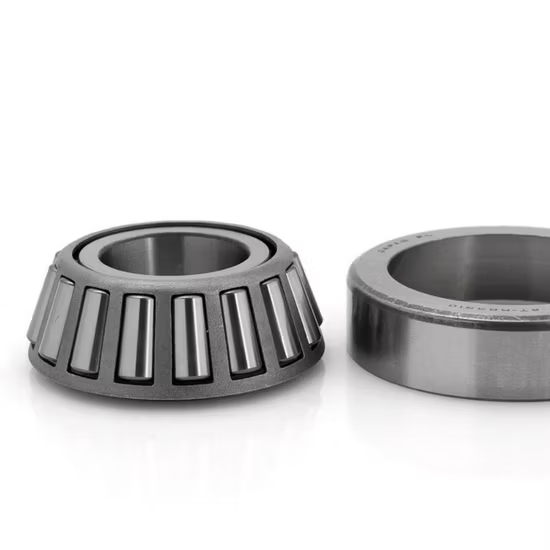

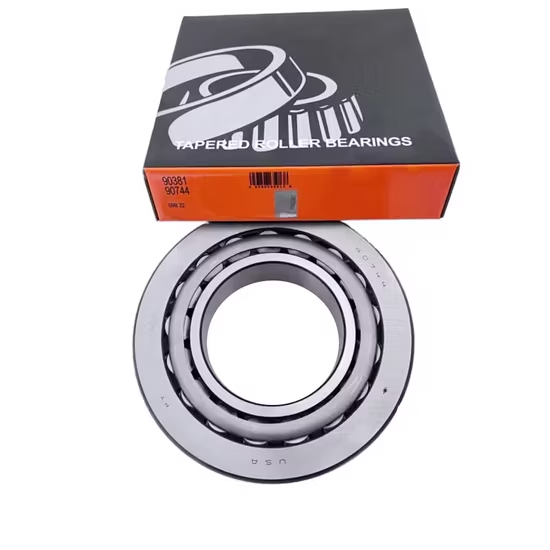
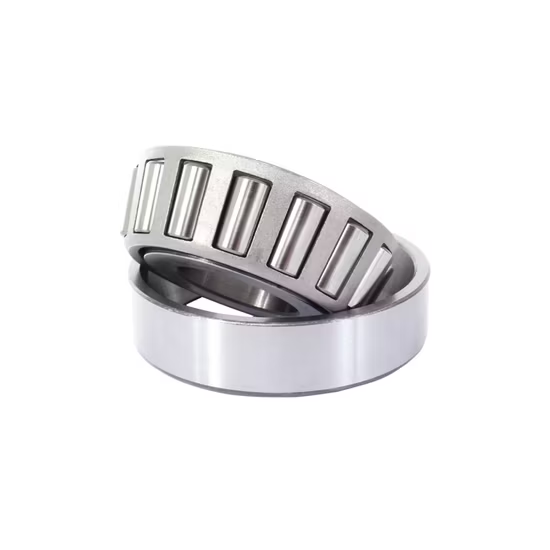
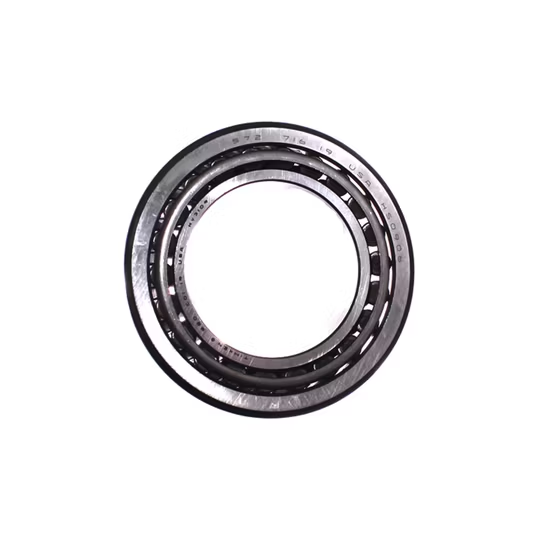
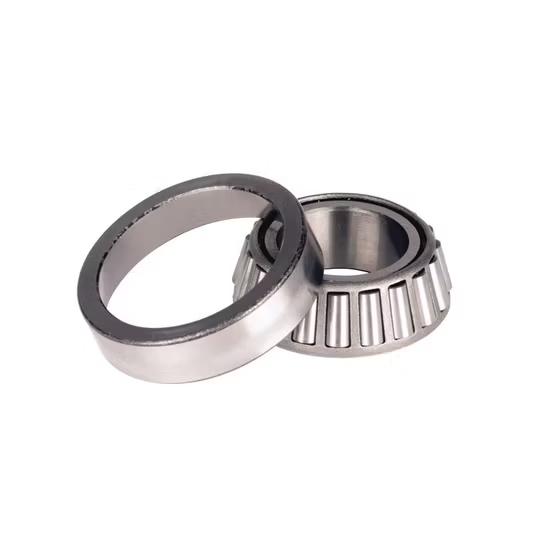
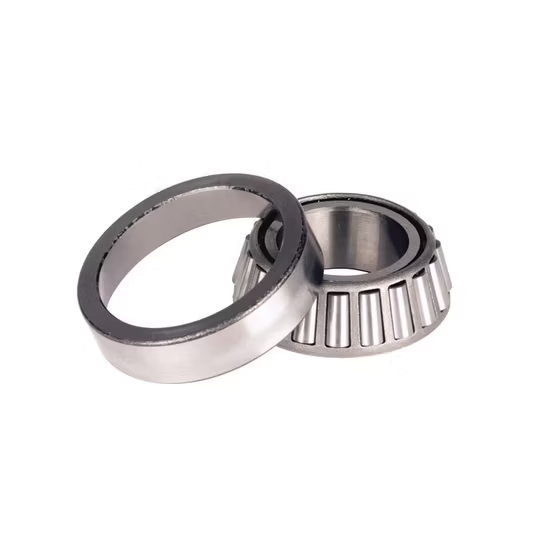
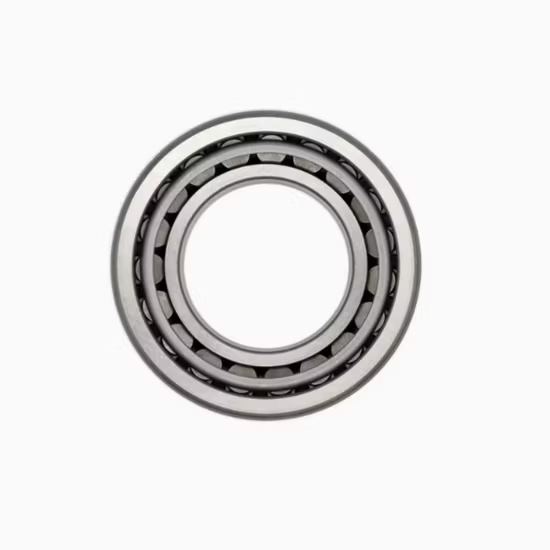
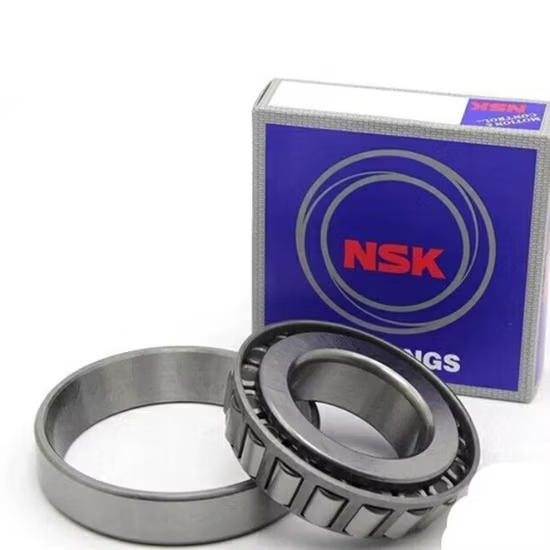
3780/3720 Inch Tapered Roller Bearing P4 — engineered to handle combined radial and axial loads in industrial gearboxes and truck axles.
Factory Batch Traceability — Every 3780 cone and 3720 cup is linked to its original production lot, ensuring full metallurgical accountability from the steel mill to your assembly line.
| Parameter | Value |
|---|---|
| Designation | 3780/3720 |
| Bearing Type | Tapered Roller Bearing |
| Precision Class | P4 |
| Material | GCr15 Bearing Steel |
| Cage Material Options | Nylon, Brass |
| Origin Options | Germany, Japan, Sweden, Malaysia, China |
| Bore Type | Cylindrical |
| Customization | Available upon request |
| Industry | Typical Applications |
|---|---|
| Heavy Vehicle Repair | Truck axles, wheel hub assemblies, differential carriers |
| Industrial Gearboxes | Reduction gear shafts, heavy-duty conveyor drive units |
| Manufacturing Plants | General machinery line shafts, material handling equipment |
Matching the base designation without verifying internal geometry and precision grades guarantees premature failure under shock loads.
In heavy machinery and truck axle applications, procurement teams often approve a 3780/3720 tapered roller bearing based solely on the basic cone and cup numbers. This oversight ignores critical internal design variations and precision classes. When a standard P0 grade component is installed in a high-vibration gearbox or a heavy-duty axle meant for P4 precision, the resulting micro-misalignments accelerate surface fatigue . The consequence is not just a worn part, but catastrophic secondary damage to the housing and shaft, leading to extensive unplanned downtime and voided equipment warranties.
Upgrading to P4 precision for a 3780/3720 tapered roller bearing significantly reduces geometric deviations in the roller profiles and raceways. This tighter tolerance is critical for industrial gearboxes and truck axles where shaft deflection and high radial-axial combined loads are constant. Our technical review process ensures that the specified precision class aligns perfectly with the OEM's original design intent, preventing the thermal binding often caused by mismatched internal clearances.
Equipment operating in mining and heavy haulage environments faces severe shock loading and contamination risks. The combined radial and axial load capacity of the inch-series tapered design is essential here, but the internal component pairing must be exact. Temperature fluctuations and heavy particulate exposure demand precise assembly preloads and appropriate lubrication strategies to prevent edge-loading and subsequent spalling on the cup raceway .
The designation represents a specific inch-series pairing: the 3780 cone assembly and the 3720 cup. Unlike metric series with standardized internal suffixes for clearance, inch tapered bearings rely on the precise machining of the cone roller angles and the cup raceway geometry to manage load distribution. The GCr15 high-carbon chromium steel provides the necessary core toughness and surface hardness (typically HRC 58-62 for the raceways ). Furthermore, selecting between nylon or brass cage options allows engineers to optimize for either high-speed thermal stability or heavy-shock mechanical resilience, depending on the specific axle or gearbox application.
Relying on automated cross-reference tools that only match the base numbers often results in installing a bearing with incorrect internal geometry or inadequate precision. According to ISO 281 standards for dynamic load ratings, even minor deviations in roller profiling drastically reduce the calculated L10 life under heavy loads. This leads to frequent teardowns, increased maintenance labor costs, and severe collateral damage to expensive machined housings and shafts, turning a minor spare parts saving into a major operational loss.
Sourcing a genuine 3780/3720 tapered roller bearing requires more than just a matching part number on an invoice. We provide authorized coverage across major global brands, meaning a single procurement cycle handles mixed-brand requirements without compromising traceability. Our cross-reference matching strictly verifies the cone and cup pairing, precision class, and internal geometry, rather than just the basic designation. Every batch is backed by manufacturer traceability and verified through official brand applications, ensuring the components you install are exactly what the OEM engineered for the application.
To ensure the selected 3780/3720 tapered roller bearing meets your exact operational requirements, please provide the specific radial and axial load profiles, operating speeds, and thermal conditions of your application. Supplying the OEM equipment number or the original manufacturer's part number allows our engineering team to perform a comprehensive cross-reference check, verifying the internal geometry and precision class to guarantee optimal service life and reliability.
Q: How do we ensure the 3780 cone and 3720 cup are correctly paired during cross-referencing?
A: Correct pairing requires verifying not just the base numbers, but the internal geometry, precision class, and manufacturer-specific design variations. We cross-reference the exact OEM specifications to ensure the cone roller angles and cup raceway profiles match the original design, preventing premature failure caused by mismatched internal components and incorrect load distribution in heavy-duty applications.
Q: What are the selection boundaries for nylon versus brass cages in this inch tapered design?
A: Nylon cages offer lower friction and are ideal for higher-speed applications with stable temperatures, while brass cages provide superior mechanical strength and shock load resistance for heavy vehicle axles and mining equipment. The selection depends on the specific thermal environment and the severity of the vibration and impact loads present in the machinery.
Q: How is the P4 precision class verified before the bearings are shipped to our facility?
A: Every batch undergoes strict dimensional and running accuracy inspections to confirm compliance with P4 tolerances. We provide detailed inspection reports with the shipment, and the bearings can be verified through official brand applications using the batch QR codes, ensuring the geometric accuracy required for high-performance gearboxes and precision shaft assemblies.
Q: Why is basic number matching insufficient for heavy-duty truck axle replacements?
A: Basic number matching ignores critical internal design variations, precision grades, and cage materials that dictate performance under shock loads. Installing a standard precision component in an axle designed for P4 precision leads to micro-misalignments, accelerated surface fatigue, and catastrophic secondary damage to the housing, resulting in significant unplanned downtime and costly repairs.
Our 5-step process ensures every order is engineered, validated, and supported for optimal performance.
Technical needs assessment
Custom specifications
Free samples for $50k+
Pre-shipment inspection
On-site & predictive
Our certified engineers respond within 24 hours with detailed technical specifications, pricing, and lead time information.