01
Consultation
Technical needs assessment

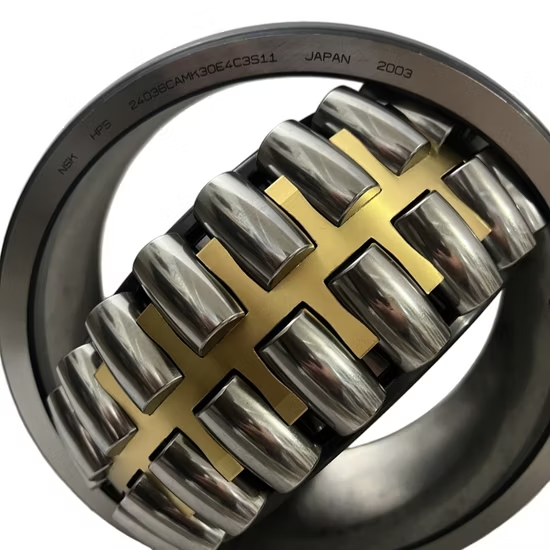
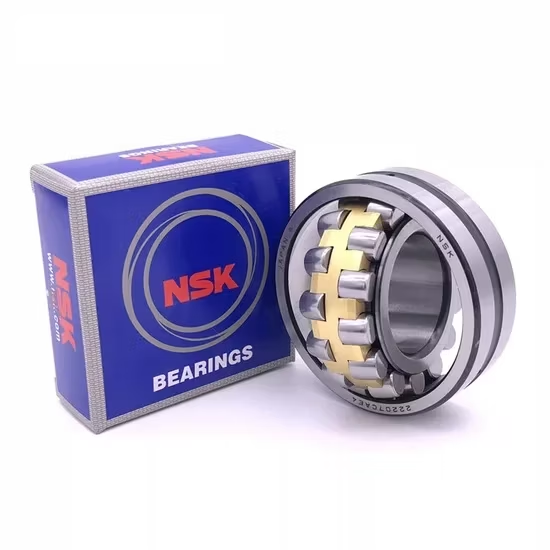
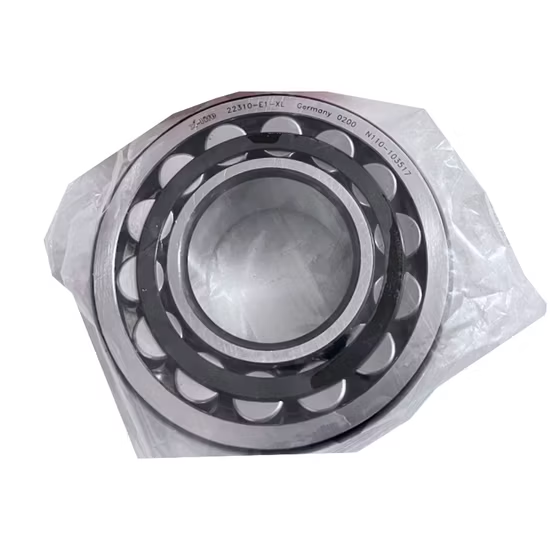
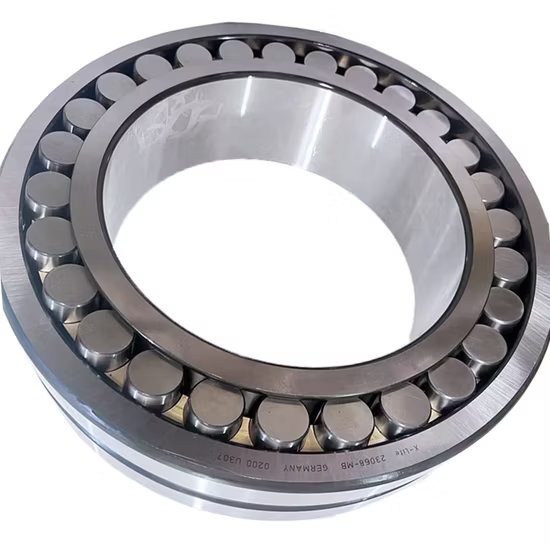
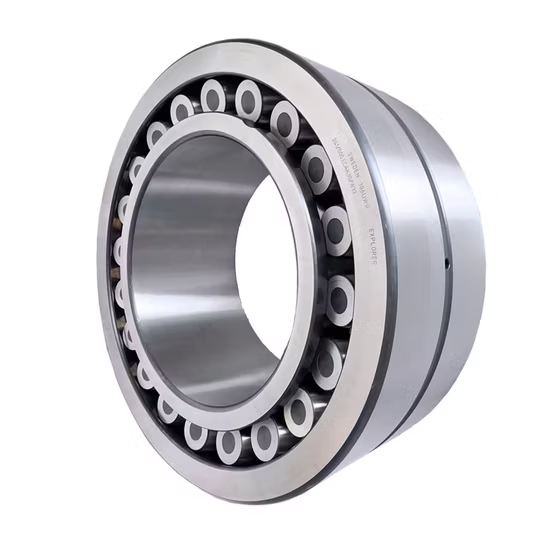
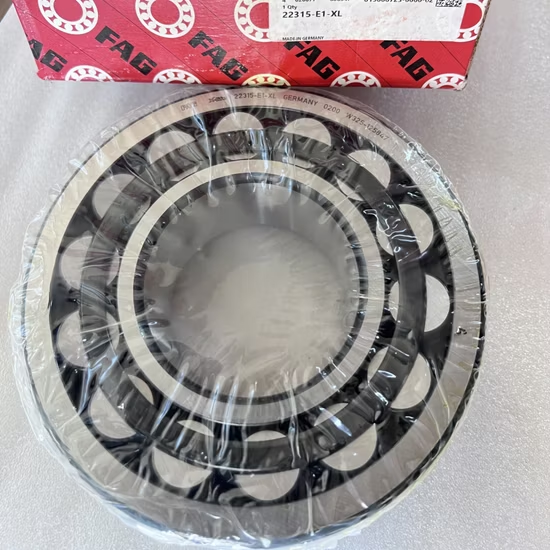
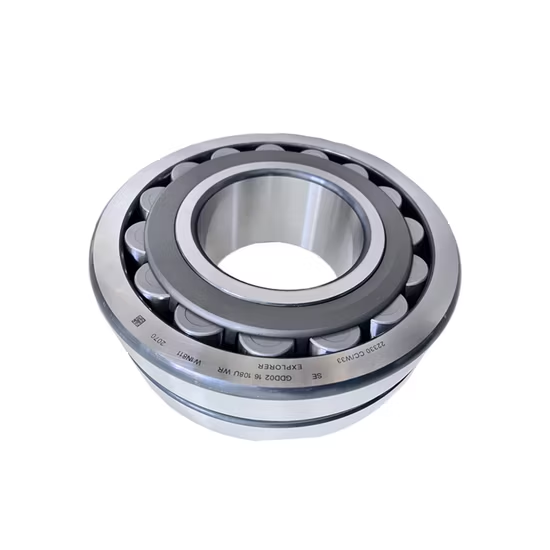
21306 21307 21308 21309 21310-21322 Spherical Roller Bearing — standard dimension series optimized for heavy radial and bidirectional axial loads in construction machinery.
Traceable Batch Origins — Every 213 series spherical roller bearing construction machinery unit ships with manufacturer lot documentation to verify metallurgical consistency.
| Parameter | Value |
|---|---|
| Designation | 21306 21307 21308 21309 21310-21322 |
| Bearing Type | Spherical Roller Bearing |
| Bore Diameter (d) | 30 mm – 110 mm range |
| Outside Diameter (D) | 72 mm – 240 mm range |
| Width (B) | 19 mm – 80 mm range |
| Cage Material | Available in machined brass or pressed steel variants |
| Seal or Shield Type | Open or sealed configurations available |
| Clearance Class | CN, C3, C4 options based on application |
| Precision Class | Standard P0 to P6 tolerance grades |
| Bore Type | Cylindrical or tapered bore options |
| Material | High-carbon chromium bearing steel |
| Origin | Germany / Japan / Sweden / Malaysia / China |
| Industry | Typical Applications |
|---|---|
| Construction Machinery | Excavator swing circle drives, loader articulation joints |
| Mining and Crushing | Jaw crusher pitman shafts, vibrating screen eccentric blocks |
| Material Handling | Overhead crane hoist drums, heavy-duty conveyor pulleys |
Internal geometry dictates survival in heavy equipment.
Sourcing a 213 series spherical roller bearing construction machinery replacement by matching only the base designation is a frequent trap in heavy equipment maintenance. I have seen too many 213-series units seize on vibrating screens simply because the internal clearance and cage design were ignored during cross-referencing. A standard CN clearance will bind under the thermal expansion of a crusher shaft, while a stamped steel cage might fracture under the shock loads that a machined brass cage would easily absorb .
Selecting the right 213 series spherical roller bearing construction machinery component requires looking past the basic dimension series. The 213 designation indicates a specific width and diameter proportion optimized for moderate radial loads and axial displacement. By evaluating the exact shock load profile and misalignment angles of your equipment, we ensure the selected internal geometry and cage material match the actual operational stress rather than just fitting the housing.
Heavy machinery environments introduce severe contamination and fluctuating temperatures. In applications like stone crushers, fine particulate matter easily breaches inadequate seals, turning grease into an abrasive paste that destroys raceways. Furthermore, the friction generated by high radial loads causes inner ring expansion. If the initial clearance is not upgraded to C3 or C4 to compensate for this thermal growth, the rolling elements will skid, leading to rapid thermal binding and catastrophic cage failure .
The base numbers 21306 through 21322 define the physical envelope, but the suffixes determine field survival. For high-vibration equipment like compactors, a machined brass cage (typically designated with an M or MB suffix) provides superior guidance and resists fatigue cracking far better than standard pressed steel. Similarly, selecting a tapered bore (K suffix) allows for precise drive-up mounting on adapter sleeves, enabling technicians to dial in the exact residual clearance required for the specific operating temperature range.
Relying on incomplete cross-references leads to unplanned downtime that dwarfs the component cost. When a bearing fails prematurely due to a mismatched internal design, the collateral damage to shafts and housings often requires extensive machining to repair. Following the failure analysis frameworks outlined in ISO 15243, these secondary damages are classified as consequential failures stemming from improper initial selection, ultimately voiding equipment warranties and delaying critical project timelines .
Our procurement process eliminates the guesswork inherent in mixed-brand supply chains. We verify cross-references by aligning the base number, internal clearance, and cage material simultaneously, preventing the installation of standard-clearance units where thermal expansion demands C3. Every batch is traceable to the manufacturer, ensuring the metallurgical quality matches the original equipment specifications. We also provide application-based selection reviews, analyzing your specific load and speed parameters to recommend the optimal seal and cage combination for your machinery.
To ensure accurate selection and cross-referencing, please provide the exact radial and axial loads, operating speeds, and ambient temperatures of your application. If you are replacing an existing unit, sharing the OEM equipment number or the full designation including all suffixes allows our engineering team to verify the internal geometry. This data enables us to perform an L10 life calculation and confirm the optimal clearance class for your specific machinery.
Q: How do I verify the authenticity of the 213 series bearings upon delivery?
A: Every unit includes batch traceability documentation and a unique QR code. You can scan this code using the respective brand's official mobile application to instantly verify the manufacturing origin and confirm it is a genuine product, protecting your equipment from counterfeit components that often feature soft inner rings and cloned packaging.
Q: Why is matching the clearance suffix critical during cross-referencing?
A: Matching only the base 213 number while ignoring the clearance suffix is a primary cause of field failure. Installing a standard CN clearance in a high-temperature crusher application prevents necessary thermal expansion, causing the bearing to bind and seize. We strictly align the clearance class to ensure the internal geometry accommodates your specific operating heat.
Q: Which clearance class is best for high-vibration construction equipment?
A: For high-vibration environments like vibrating screens or compactors, a C3 or C4 clearance is typically required to accommodate dynamic shaft deflections and shock loads. Additionally, a machined brass cage is highly recommended over pressed steel to resist the accelerated fatigue caused by continuous, high-frequency vibration and heavy radial impacts.
Q: How should I handle sealed versus open 213 series bearings during installation?
A: Open bearings require strict adherence to external lubrication schedules and careful contamination control during mounting. Sealed variants come pre-filled with specialized grease and must never be heated beyond the thermal limit of the seal material, nor should they be washed with solvents, as this destroys the factory fill and compromises the elastomer sealing lips.
Q: What if the OEM specified a 213 series bearing that is currently obsolete?
A: When an exact OEM designation is discontinued or faces extended lead times, we utilize our cross-brand interchange expertise. We do not just match the basic dimensions; we analyze the internal load distribution, cage design, and clearance to source an exact functional equivalent from our authorized network of international brands, ensuring identical performance in your machinery.
Our 5-step process ensures every order is engineered, validated, and supported for optimal performance.
Technical needs assessment
Custom specifications
Free samples for $50k+
Pre-shipment inspection
On-site & predictive
Our certified engineers respond within 24 hours with detailed technical specifications, pricing, and lead time information.