01
Consultation
Technical needs assessment

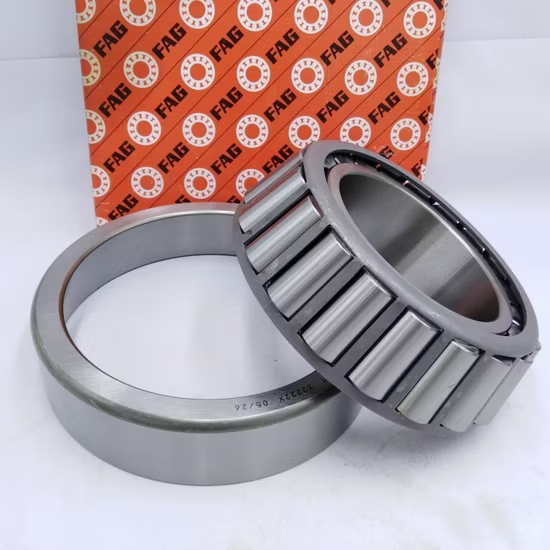
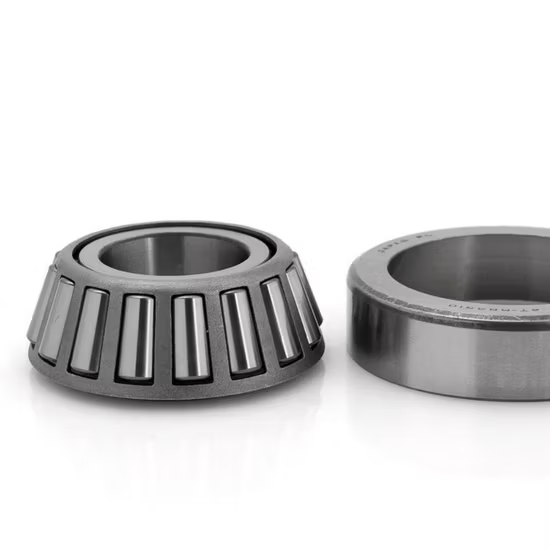
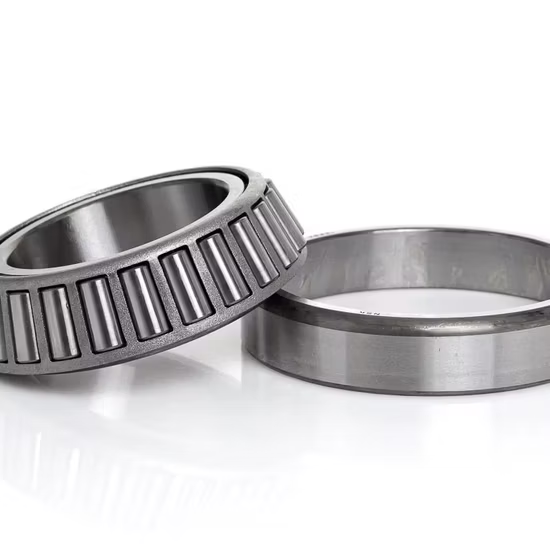
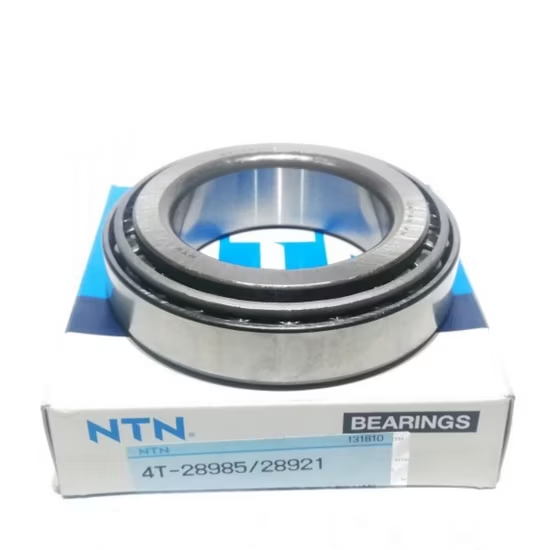
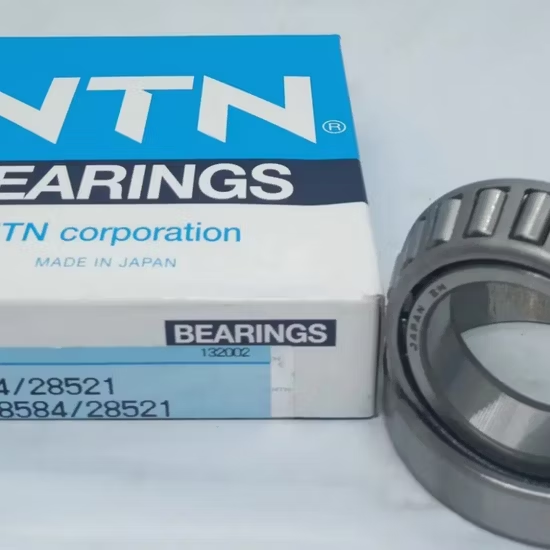
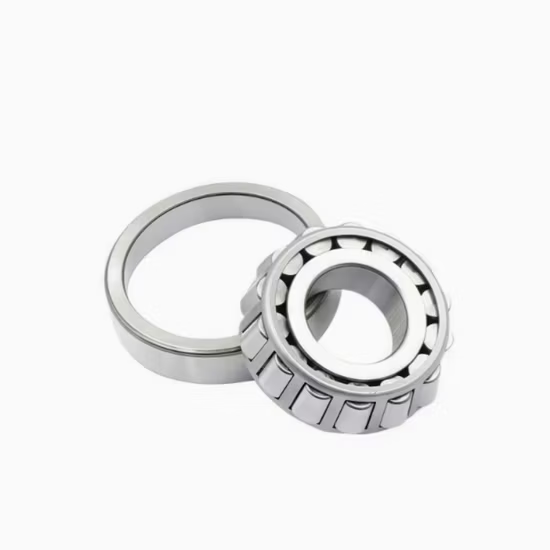
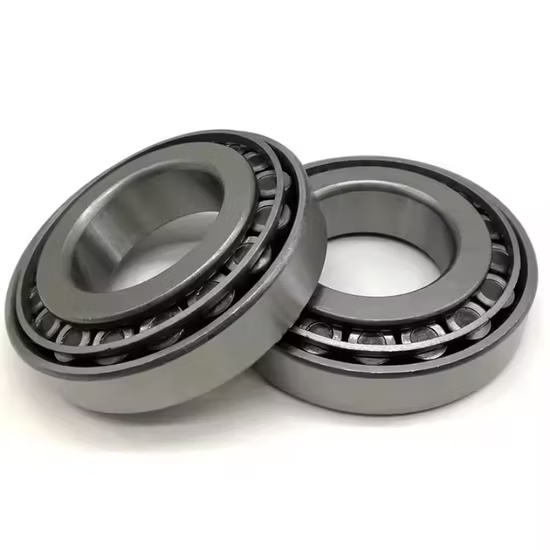
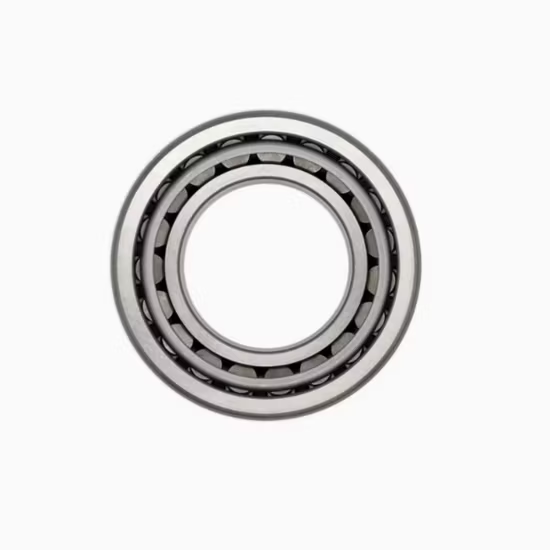
21075/21212 Single Row Inch Tapered Roller Bearing P4 — optimized for automotive wheel hubs and light truck axles. The P4 precision class ensures tighter dimensional and running accuracy for smoother rotation, while GCr15 high-carbon chromium steel provides excellent wear resistance under combined radial and axial loads.
Cross-reference alignment verified — We match the cone, cup, and internal clearance for the 21075/21212 instead of just swapping base numbers.
| Parameter | Value |
|---|---|
| Designation | 21075/21212 |
| Bearing Type | Inch Tapered Roller Bearing |
| Number of Rows | Single Row |
| Precision Class | P4 |
| Material | GCr15 bearing steel |
| Cage Material | Available in nylon, brass, or iron variants |
| Origin | Sourced from authorized manufacturer facilities |
| Industry | Typical Applications |
|---|---|
| Automotive & Heavy Vehicle Repair | Wheel hub assemblies and light truck axle shafts |
| Transportation & Logistics | Trailer wheel hubs and material handling trailers |
| General Machinery | Rotating shaft mounts and general industrial wheels |
Base number matches do not guarantee internal geometry alignment.
Working in the Dubai auto parts sector, I have seen countless wheel hub failures caused by sourcing teams matching only the basic designation while ignoring internal design variations. When a cross-reference stops at the surface level, thermal expansion and heavy cornering loads quickly destroy an incorrect clearance setup. This mismatch often goes unnoticed during initial assembly until the wheel develops severe noise or completely seizes on the highway .
Automotive wheel hubs demand components that handle combined radial and axial loads smoothly during steering and braking. The 21075/21212 tapered roller bearing is engineered to manage these multidirectional forces without premature raceway spalling. We verify the exact cone and cup pairing to ensure the contact lines converge correctly at the hub axis, preventing uneven load distribution.
Wheel environments expose components to severe shock loads from potholes and continuous temperature fluctuations that alter internal clearance. Proper lubrication is critical, as contaminated grease accelerates wear on the roller ends and guide flanges. Effective sealing prevents water and road grit ingress, which otherwise causes abrasive damage to the precision ground surfaces . Correct mounting preload is equally vital to prevent the rollers from skidding under light loads or binding under heavy thermal expansion.
Upgrading to P4 precision ensures tighter dimensional and running accuracy compared to standard grades, resulting in noticeably smoother wheel rotation and reduced vibration at highway speeds. The GCr15 high-carbon chromium bearing steel provides excellent hardenability and wear resistance for the races and rollers. Depending on the specific operating temperature and speed requirements, the cage is available in nylon, brass, or iron variants to optimize friction and structural rigidity. This flexibility allows maintenance teams to select the exact internal configuration needed for their specific axle designs.
Installing a mismatched inch tapered roller bearing often leads to unplanned downtime and catastrophic damage to the entire wheel end assembly. When the internal geometry fails to accommodate thermal expansion, the resulting friction generates excessive heat that degrades th*ailure not only voids equipment warranties but also creates severe safety hazards for heavy vehicles in transit .
Mixed-brand requirements are handled in a single order, eliminating the need to coordinate with multiple suppliers for a complete hub rebuild. Every batch includes traceability documentation, ensuring the 21075/21212 units match the original equipment manufacturer's exact specifications. We review cross-references based on clearance and cage material, preventing the common error of installing standard clearance where thermal expansion demands a looser fit. Our technical team provides application-based selection support to verify that the internal geometry suits your specific load and temperature conditions.
Share your specific radial and axial load data, operating speeds, and temperature ranges so we can verify the L10 life and clearance requirements. Providing the original equipment manufacturer part numbers allows our engineering team to perform a thorough cross-reference check. This technical review ensures the internal geometry and cage selection perfectly match your wheel hub application before shipment.
Q: Why must the cone and cup numbers be verified separately for inch tapered roller bearings?
A: Unlike metric series, inch tapered roller bearings use separate designations for the inner ring assembly and the outer ring. A base number match does not guarantee the internal angles or roller profiles are compatible. Verifying both the 21075 cone and the 21212 cup ensures the contact lines converge correctly, preventing premature edge loading and rapid wear in wheel hub applications.
Q: What practical advantages does P4 precision offer in automotive wheel applications?
A: P4 precision provides noticeably tighter dimensional and running accuracy than standard P0 grades. In wheel hubs, this reduces rotational friction, minimizes vibration at high speeds, and ensures a more consistent load distribution across the rollers. The result is a smoother ride, better fuel efficiency, and an extended service interval for the entire wheel end assembly.
Q: How do you identify counterfeit bearings with cloned QR codes or soft inner rings?
A: We rely on official brand applications to scan the QR codes, which reveal the complete manufacturing history and batch data that cloned codes cannot replicate. Additionally, we review material test reports and dimensional inspection certificates to verify the GCr15 steel hardness and P4 tolerances, ensuring the internal components meet genuine factory specifications.
Q: How do different cage materials affect performance in wheel hub environments?
A: Nylon cages offer low friction and quiet operation, making them suitable for standard passenger vehicle hubs. Brass cages provide superior structural rigidity and heat dissipation for heavy truck axles experiencing high shock loads. Iron cages are typically used in cost-sensitive or specific heavy-duty applications where extreme vibration resistance is prioritized over weight savings.
Q: What are the critical mounting rules for adjusting clearance in single row tapered roller bearings?
A: Proper adjustment requires setting the correct endplay by tightening the hub nut while rotating the wheel to seat the rollers. Excessive preload causes thermal binding and rapid cage failure, while too much looseness allows the rollers to skid and damages the raceways. Always follow the vehicle manufacturer's specific torque and endplay specifications for the 21075/21212 assembly.
Our 5-step process ensures every order is engineered, validated, and supported for optimal performance.
Technical needs assessment
Custom specifications
Free samples for $50k+
Pre-shipment inspection
On-site & predictive
Our certified engineers respond within 24 hours with detailed technical specifications, pricing, and lead time information.