01
Consultation
Technical needs assessment


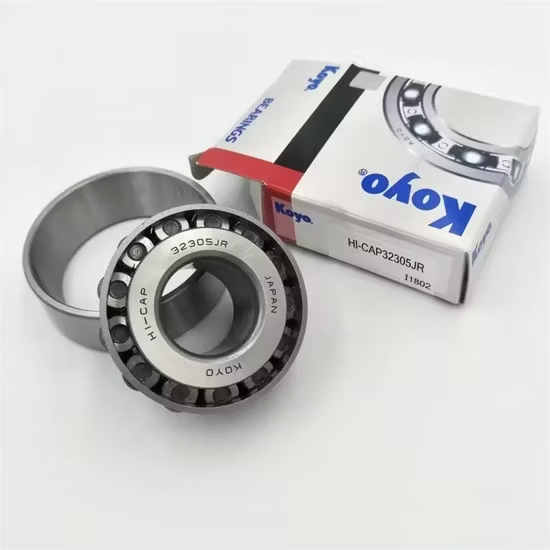
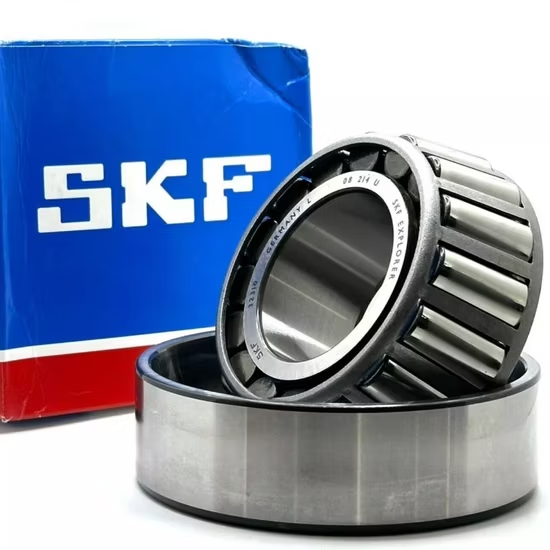
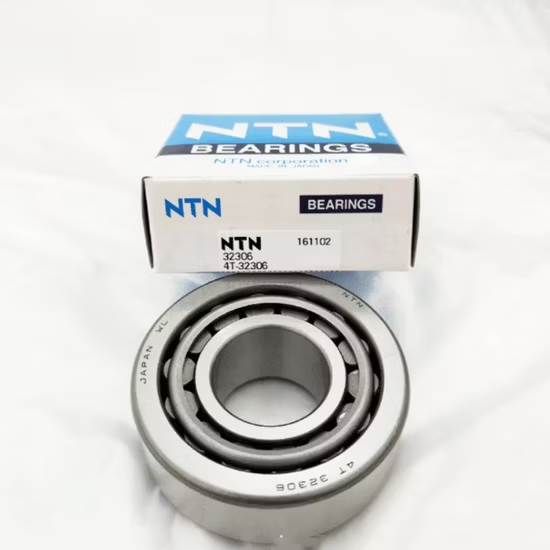

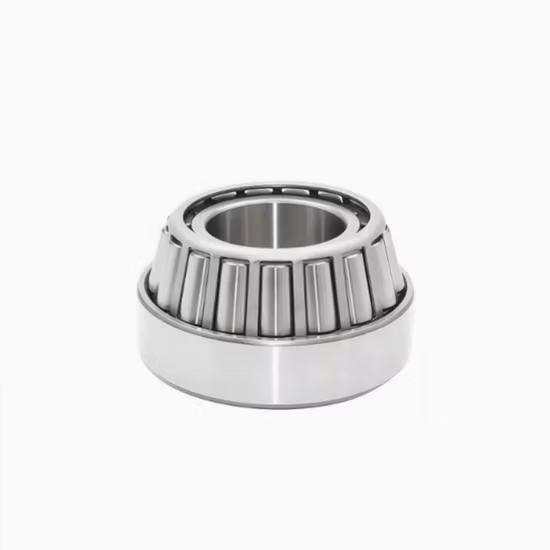
32308 32309 Single Row Tapered Roller Bearings
Multi-brand authorized inventory — fulfilling mixed-origin requirements for 32308 32309 tapered roller bearing units from a single verified supply chain without juggling multiple vendors.
| Parameter | Value |
|---|---|
| Designation | 32308 32309 |
| Bearing Type | Tapered Roller Bearing |
| Number of Rows | Single Row |
| Precision Class | P4 |
| Material | GCr15 High-Carbon Chromium Bearing Steel |
| Cage Material | Available in Nylon, Brass, or Iron variants |
| Origin | Germany / Japan / Sweden / Malaysia / China |
| Certification | ISO 492 / ISO 281 compliant |
| Industry | Typical Applications |
|---|---|
| Commercial Vehicles | Heavy-duty truck wheel hubs and steering knuckles |
| Automotive Axles | Drive axle pinion shafts and differential carriers |
| General MRO | Conveyor drive pulleys and industrial gearbox shafts |
| Construction Machinery | Mixer drum trunnions and hoist winch shafts |
Matching the basic designation is never enough when internal clearances and cage materials dictate survival under extreme axle loads.
Sourcing components for heavy vehicle repair often involves matching a part number from an old manual. Yet, installing a standard clearance unit where thermal expansion demands a C3 fit leads to rapid heat buildup. I once inspected a batch of failed hubs in Dubai where the basic numbers matched perfectly, but the wrong cage material was used. The result was catastrophic cage fragmentation and complete wheel lockup on a loaded commercial truck . Procurement teams must verify the exact internal geometry, not just the outer dimensions, to prevent these silent killers in 32308 32309 tapered roller bearing applications.
Selecting the correct 32308 32309 tapered roller bearing requires aligning the precision class and cage design with the specific axle configuration. Our technical team reviews the radial and axial load profiles of your commercial vehicles to ensure the selected unit handles the combined stresses of steering and braking. By cross-referencing the OEM equipment number against our multi-brand inventory, we secure the exact internal design required for your fleet.
Truck wheel hubs endure relentless shock loads from uneven terrain and severe thermal cycling during prolonged braking. These conditions demand a cage material that resists deformation while maintaining roller alignment. Lubrication breakdown is a constant threat when operating temperatures spike, making the initial clearance selection critical to accommodate shaft expansion . Proper seal integration further prevents abrasive dust from compromising the raceway integrity in harsh environments.
Achieving P4 precision in these single-row units ensures significantly tighter dimensional and running accuracy compared to standard grades, directly reducing vibration in high-speed hub assemblies. The GCr15 material provides the necessary core toughness and surface hardness to resist spalling under heavy contact stresses. Since no specific suffix is present in the base designation, buyers must explicitly define the required cage material—whether Nylon for reduced friction, Brass for high-vibration durability, or Iron for cost-effective standard duty—during the procurement phase.
Relying on unverified aftermarket replacements often introduces soft inner rings that deform under peak axle loads, leading to premature fatigue and unpredictable downtime. When cross-reference checks ignore precision tolerances, the resulting misalignment accelerates wear on adjacent seals and braking components. Such catastrophic damage not only voids vehicle warranties but also creates severe safety hazards on public highways, turning a minor maintenance task into a major liability .
We eliminate the risk of counterfeit soft-ring failures by supplying exclusively through authorized multi-brand channels, ensuring every unit meets original metallurgical standards. Our cross-reference protocol specifically checks the cage material and precision class for these hub applications, preventing the common error of assuming all base numbers are interchangeable. We provide full application-based selection reviews, analyzing your specific load and speed parameters to guarantee the chosen configuration withstands the operational environment.
To ensure accurate selection and L10 life calculation, please provide the specific radial and axial loads, operating speeds, and typical temperature ranges of your axle application. Supplying the exact OEM equipment number or the dimensions of the existing housing allows our engineering team to perform a precise cross-reference check. Detailing the environmental exposure, such as heavy dust or water ingress, helps us finalize the optimal seal and cage configuration for your fleet.
Q: How do I verify the authenticity of these hub units upon delivery?
A: Each unit includes batch traceability documents and a unique QR code. You can scan this code using the manufacturer's official mobile application to instantly verify the origin and production date. This process effectively eliminates the risk of installing counterfeit components with soft inner rings that frequently cause premature hub failures.
Q: Why is checking the cage material critical when no suffix is listed?
A: The base number alone does not specify the internal cage design. In heavy-duty truck axles, selecting the wrong cage—such as using a standard iron cage in a high-vibration environment—can lead to rapid fragmentation. We verify the exact cage material against your operational profile to ensure structural integrity under severe shock loads.
Q: What operational differences exist between the available cage options?
A: Nylon cages offer lower friction and quieter operation, suitable for standard highway speeds. Brass cages provide superior durability and heat dissipation in high-vibration or heavy-load off-road conditions. Iron cages serve as a reliable, cost-effective solution for standard duty cycles. We guide you in matching the cage material to your specific vehicle routing and load requirements.
Q: How does P4 precision benefit commercial vehicle wheel hubs?
A: P4 precision guarantees tighter dimensional tolerances and superior running accuracy compared to standard grades. This exactness minimizes vibration, ensures even load distribution across all rollers, and significantly extends the service life of the hub assembly, ultimately reducing maintenance frequency and improving overall vehicle stability on the road.
Our 5-step process ensures every order is engineered, validated, and supported for optimal performance.
Technical needs assessment
Custom specifications
Free samples for $50k+
Pre-shipment inspection
On-site & predictive
Our certified engineers respond within 24 hours with detailed technical specifications, pricing, and lead time information.



